Why Research and Data Matter in Delivering Safe Water
At Easy Water for Everyone, we believe that clean water interventions should do more than meet an urgent need; they should also build a community-supported business model to ensure sustainability. The outcomes should be measured, tested, and strengthened by evidence-based analysis.
That is why data collection and research are integral to our work.
In the communities we serve, safe water is closely linked to public health, dignity, resilience, and long-term development. But delivering clean water to last-mile communities requires more than installing a system. It requires understanding the changing nature of water sources, tracking health outcomes, and making sure our interventions remain sustainable.
Water quality varies from one community to another and can also change with seasons, rainfall patterns, environmental conditions, and human activity. This makes ongoing testing and technical review essential.
At EWfE, we respond to this reality through a research-based approach to water quality and health impact.
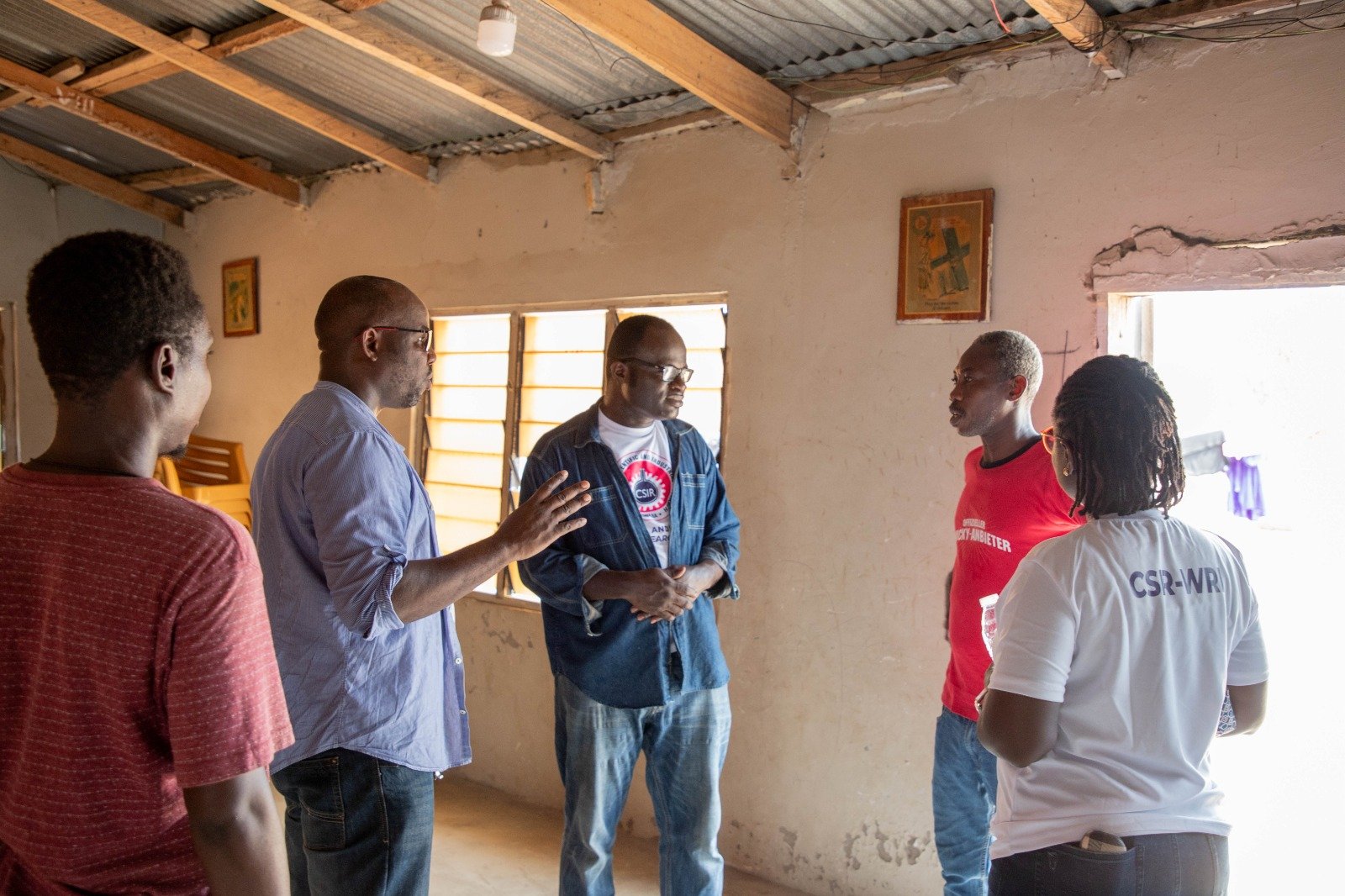
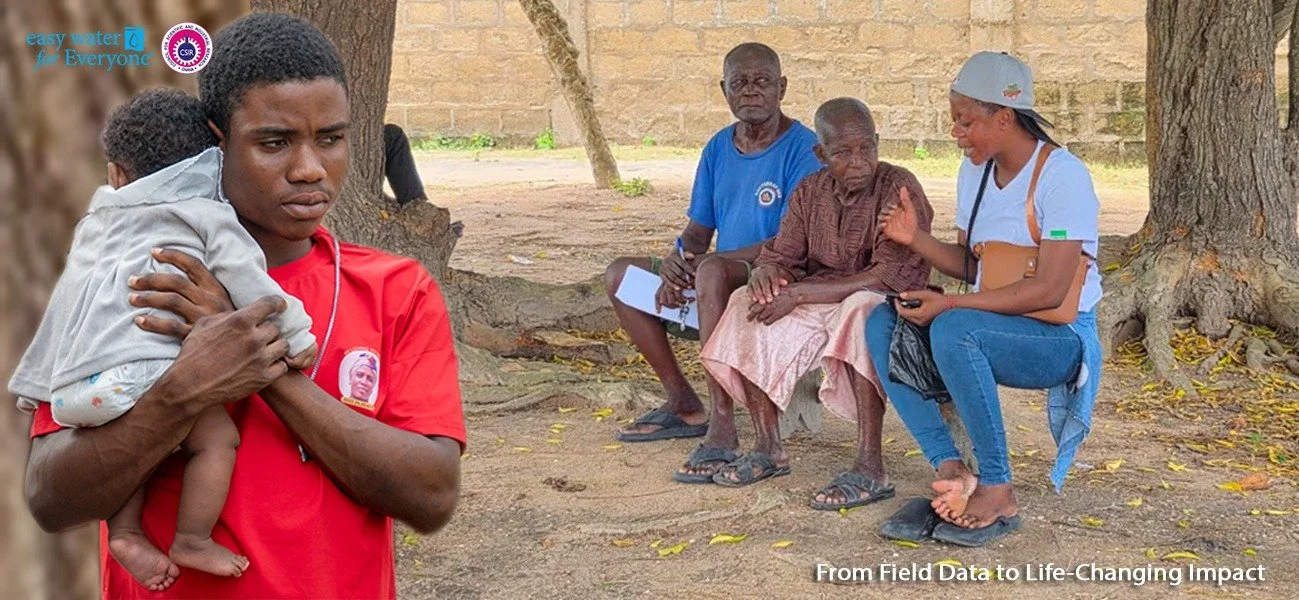
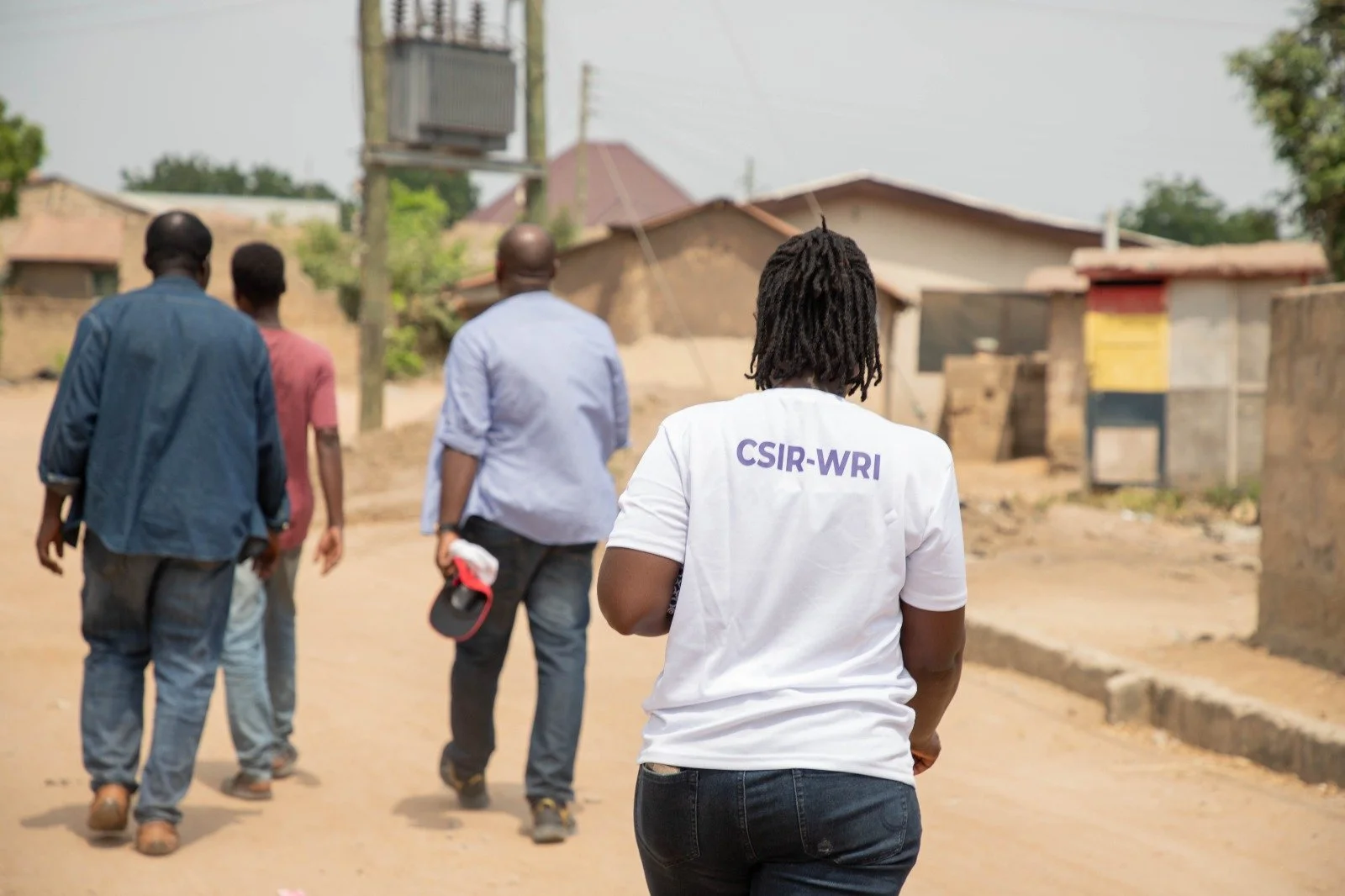
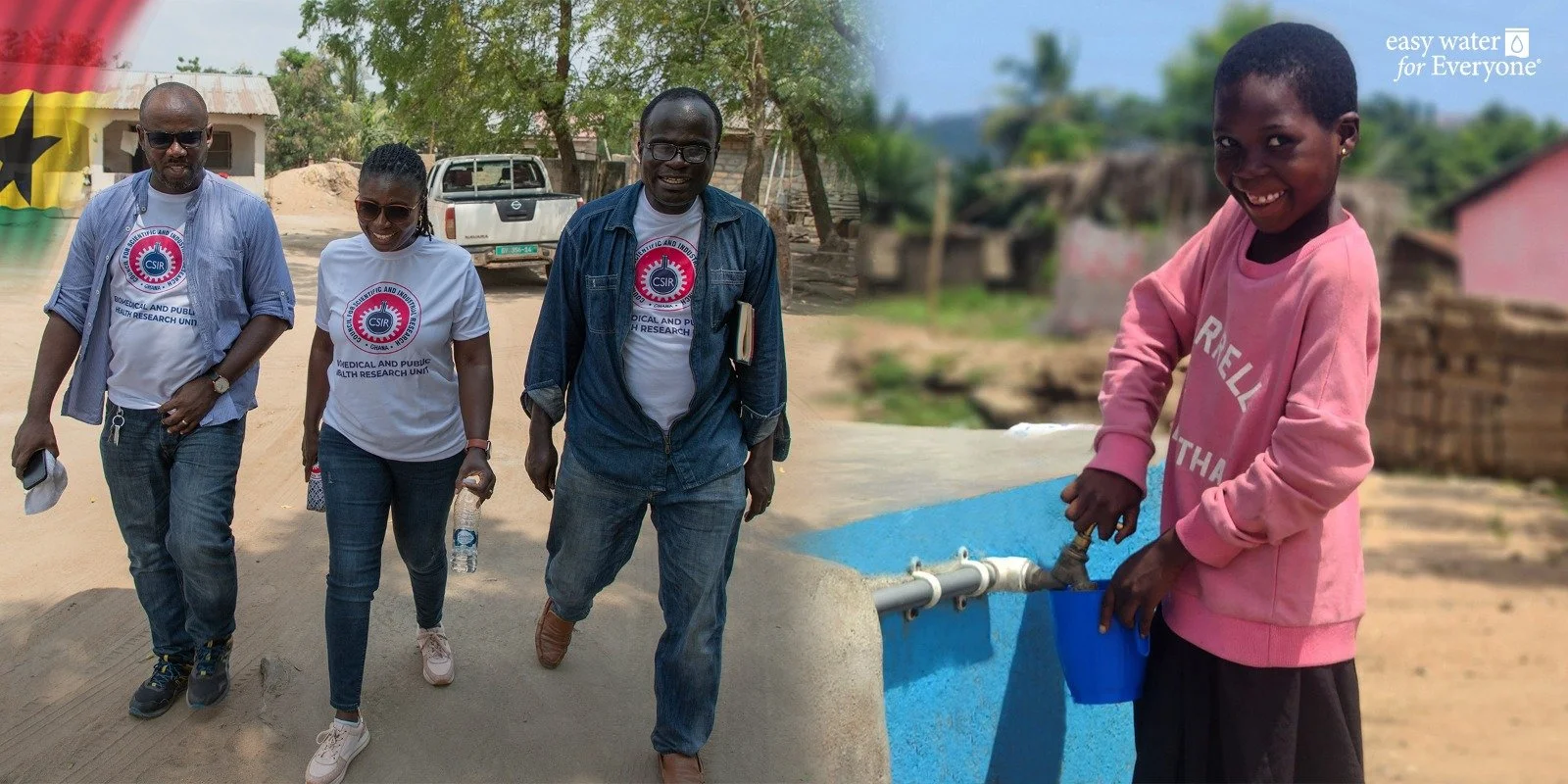
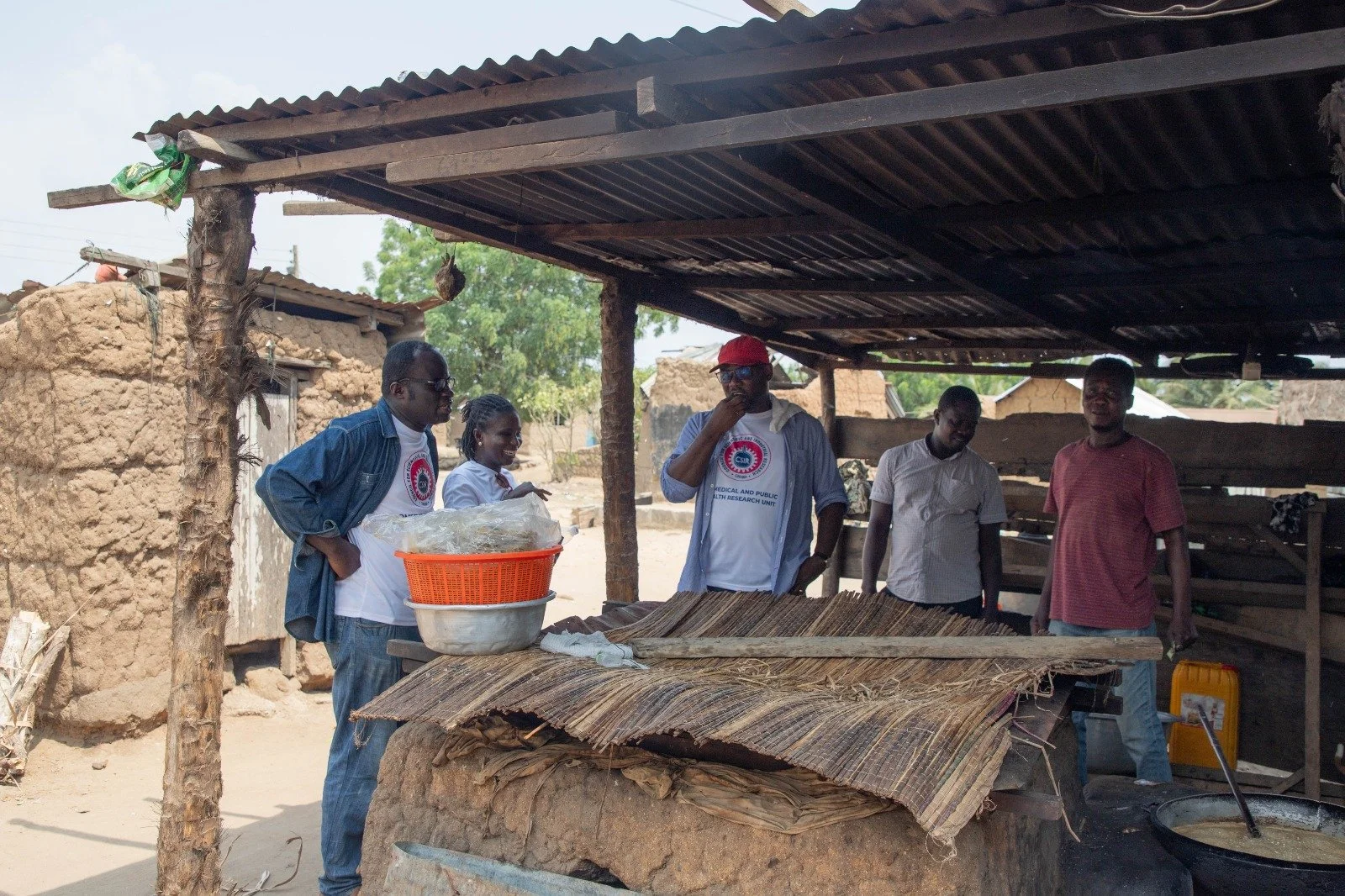
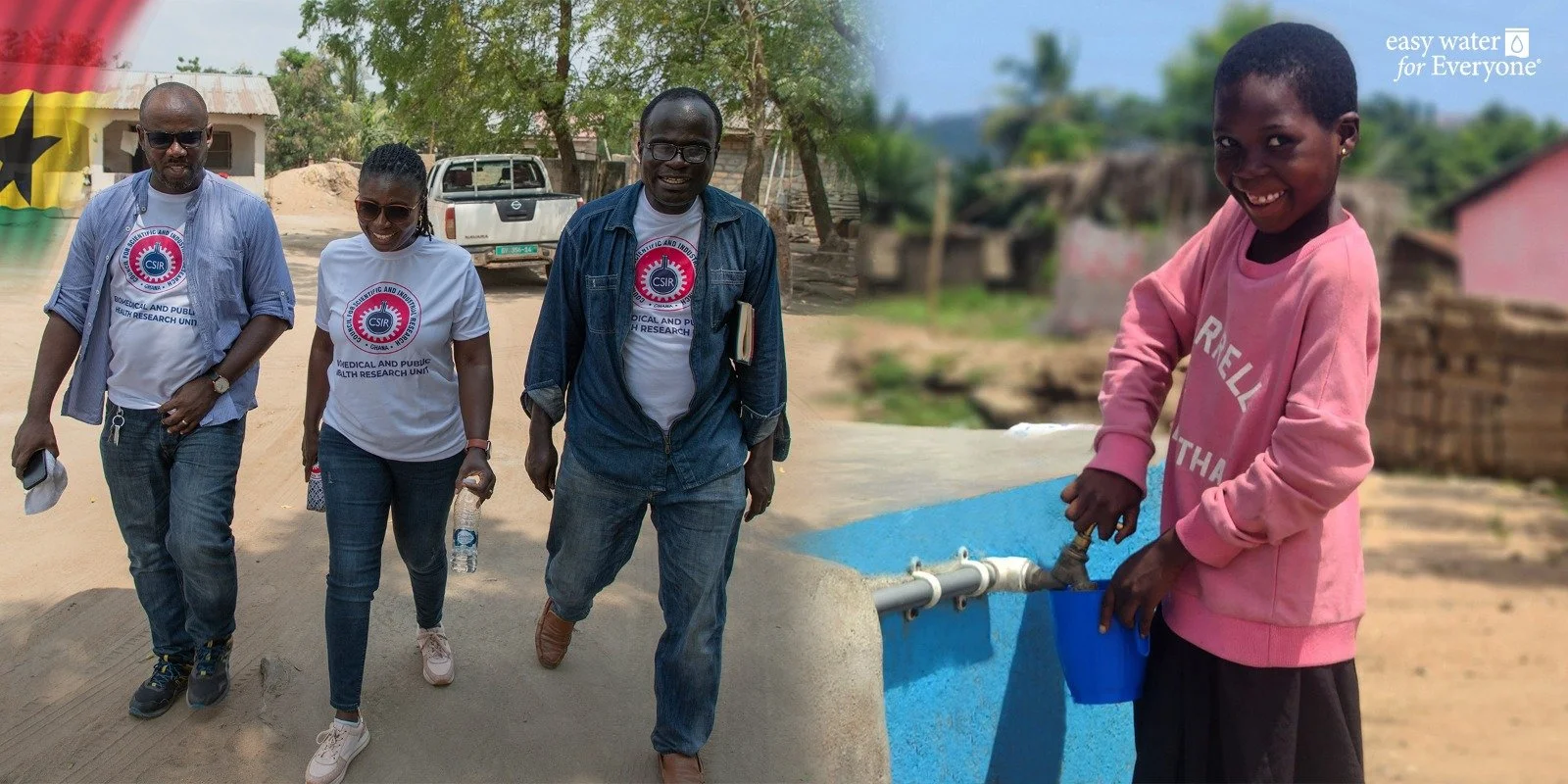
A key example is the ongoing research sample survey in Tomefa, being conducted in collaboration with the Council for Scientific and Industrial Research (CSIR), Ghana. This is a pre/post-intervention study designed to measure the impact of EWfE’s Gravity Water Station (GWS) on schistosomiasis and other water-related diseases after one year of installation.
This matters because we are not only interested in expanding access to clean water. We are also committed to understanding how that access affects health outcomes in real communities over time.
A comprehensive laboratory analysis and technical advisory report will help guide the future of our systems. In other words, the findings will not sit on a shelf. They will directly inform how we refine our systems, strengthen our treatment protocols, and improve service delivery in Ghana, Senegal, and Uganda.
This is part of what makes EWfE’s approach different.
Our partnership with CSIR ensures regular water quality testing because independent assessments are critical to maintaining the integrity of our intervention. These evaluations provide valuable data on key water quality indicators and help us respond to changing source conditions. They also help us strengthen and improve technical decision-making in a way that protects community health.
For donors, this means your support is helping fund more than infrastructure.
It is helping advance a model of WASH service delivery that values:
evidence-based decision-making
independent water quality testing
public health impact measurement
technical accountability with monthly reporting of the Device Log
sustainability by pay to fetch business model providing funds for coverage of all repair and maintenance
This approach is especially important in last-mile communities, where the consequences of unsafe water can be severe and immediate. When children, families, and vulnerable households depend on a local water system every day, quality cannot be taken for granted. It must be verified.
That is why research is not separate from our mission. It is central to it.
By combining community-based implementation with laboratory testing, third-party assessments, and health-outcomes research, EWfE is building a stronger, more accountable clean-water model for underserved communities. We are working not only to provide access, but to ensure that the water remains safe, the systems remain responsive, and the long-term health benefits are clearly understood.
At EWfE, we believe that science, data, and field experience must work together. This is how we protect the integrity of our intervention. This is how we strengthen resilience in vulnerable communities. And this is how we continue delivering clean water solutions that are trusted, tested, and built for impact.
Your support helps make this possible.
When you invest in EWfE, you are supporting clean water systems backed by research, informed by evidence, and designed to improve health outcomes where the need is greatest.