Safe Water, Stronger Mothers, Healthier Babies
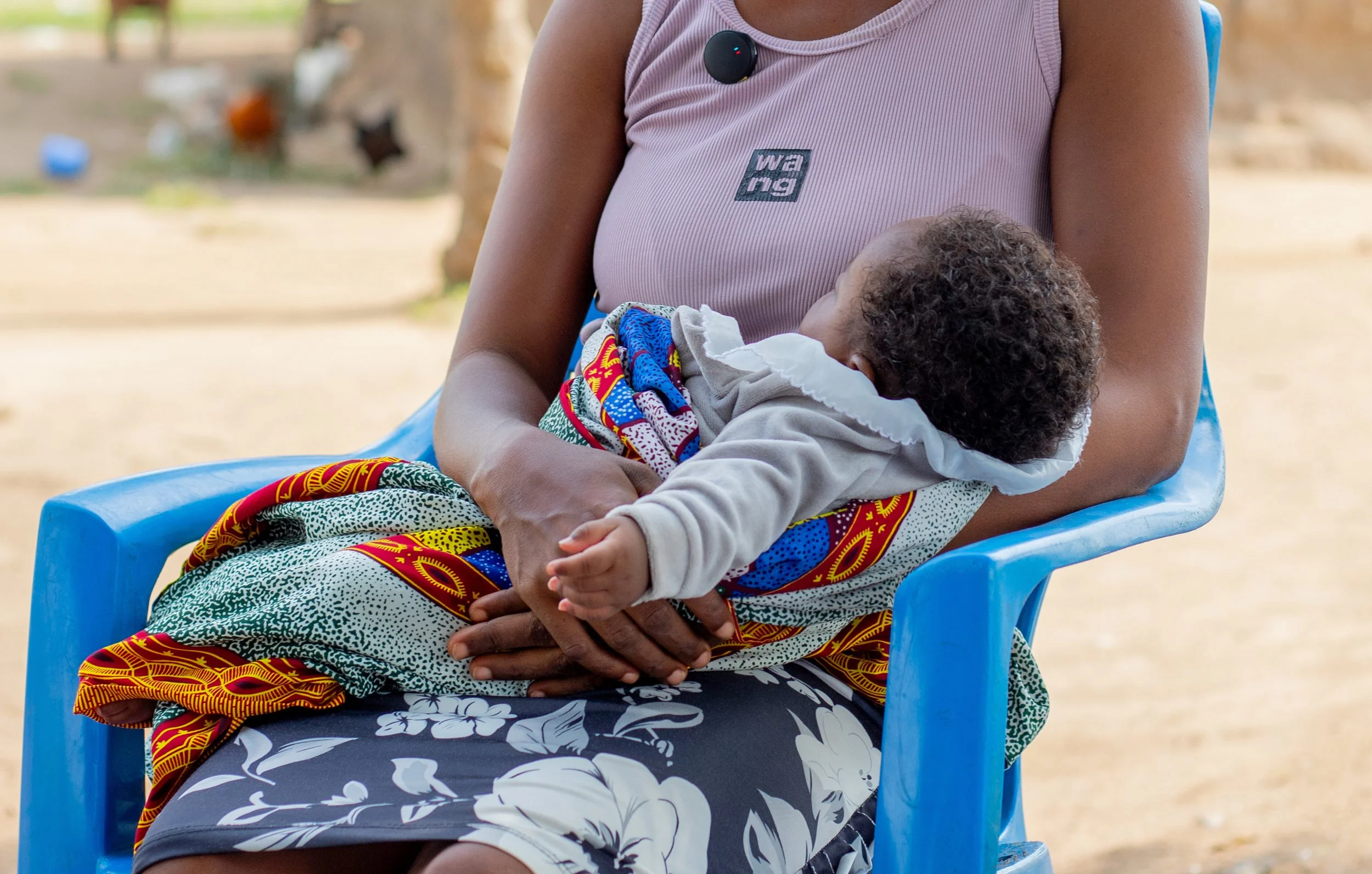
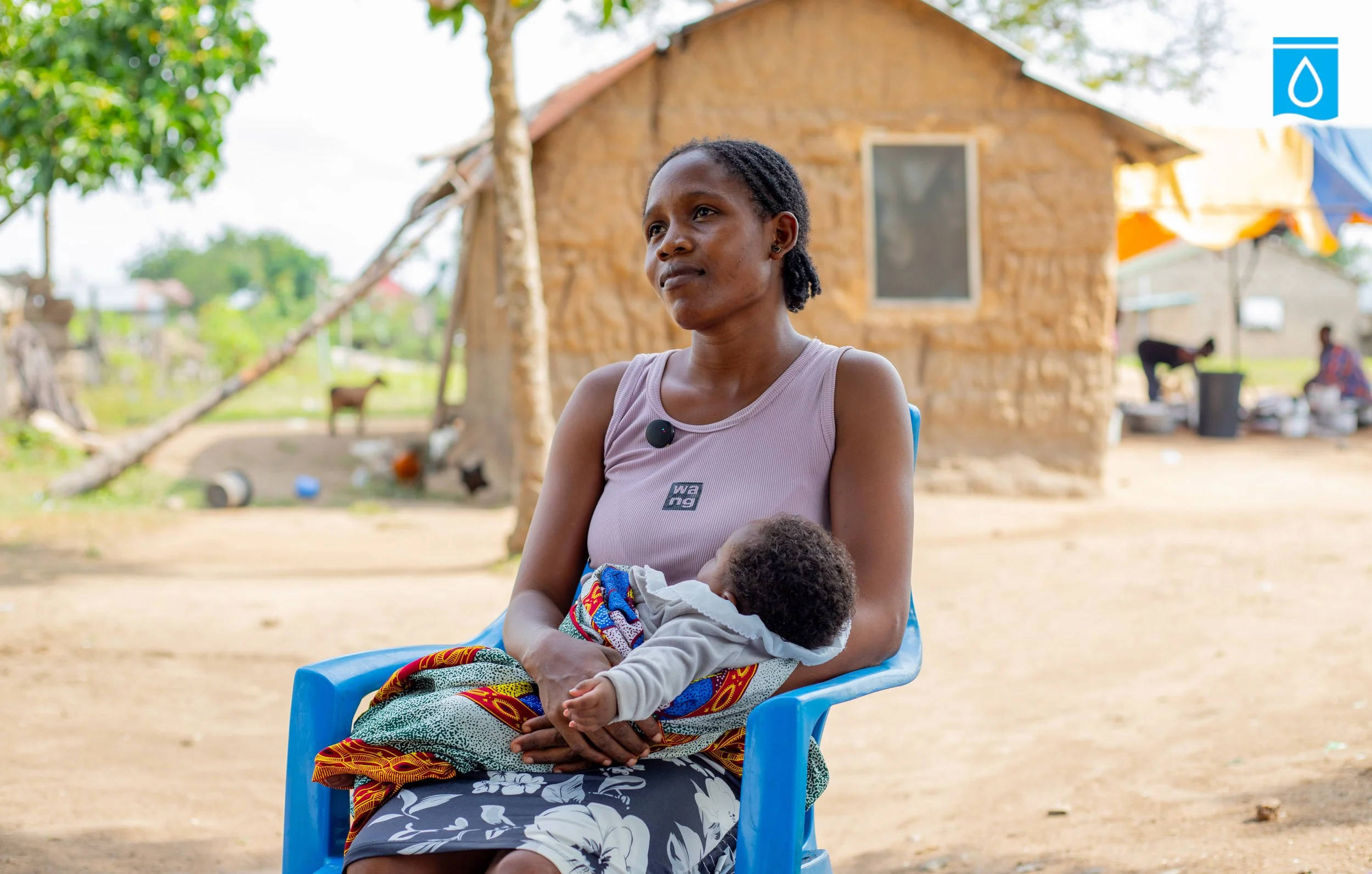
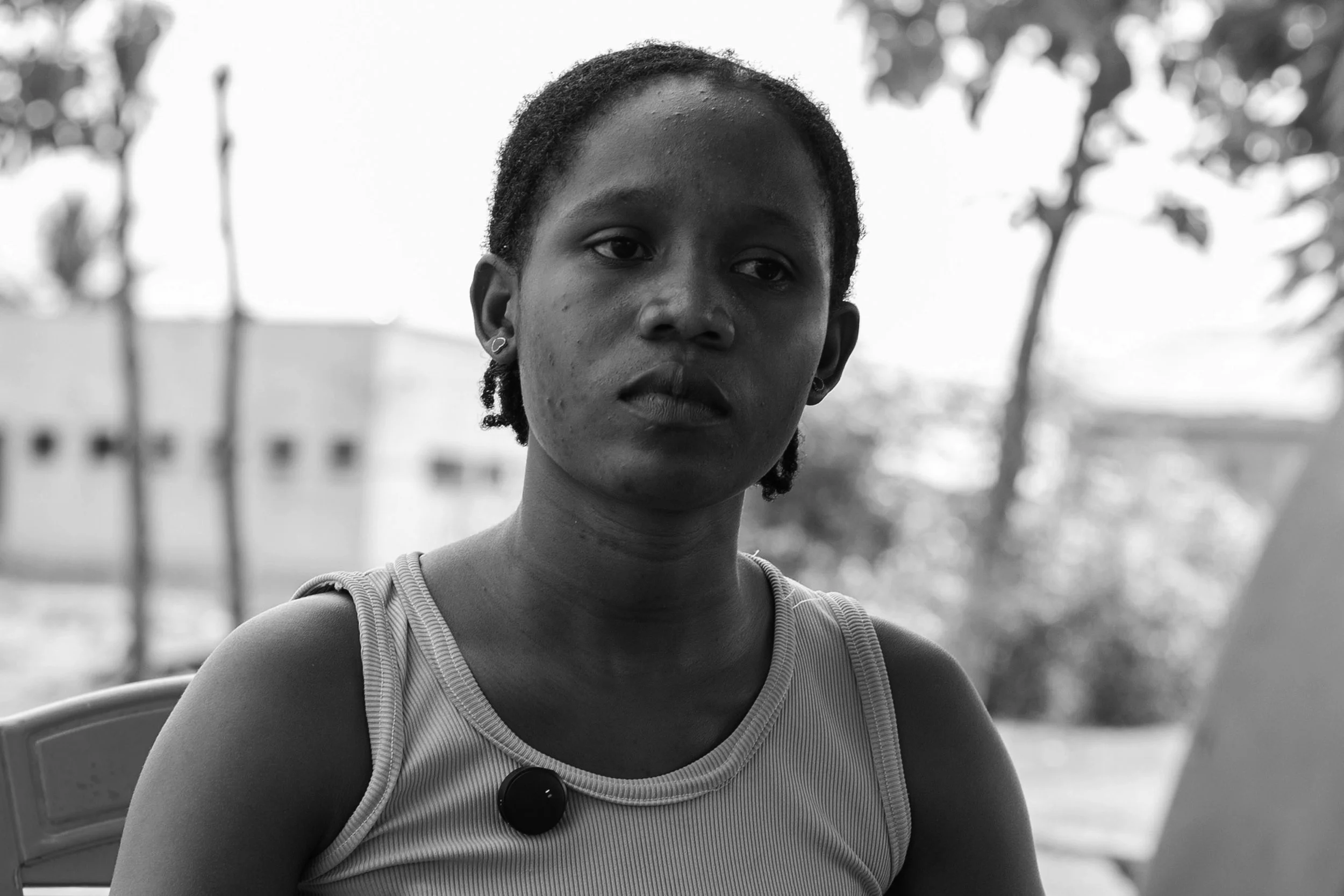
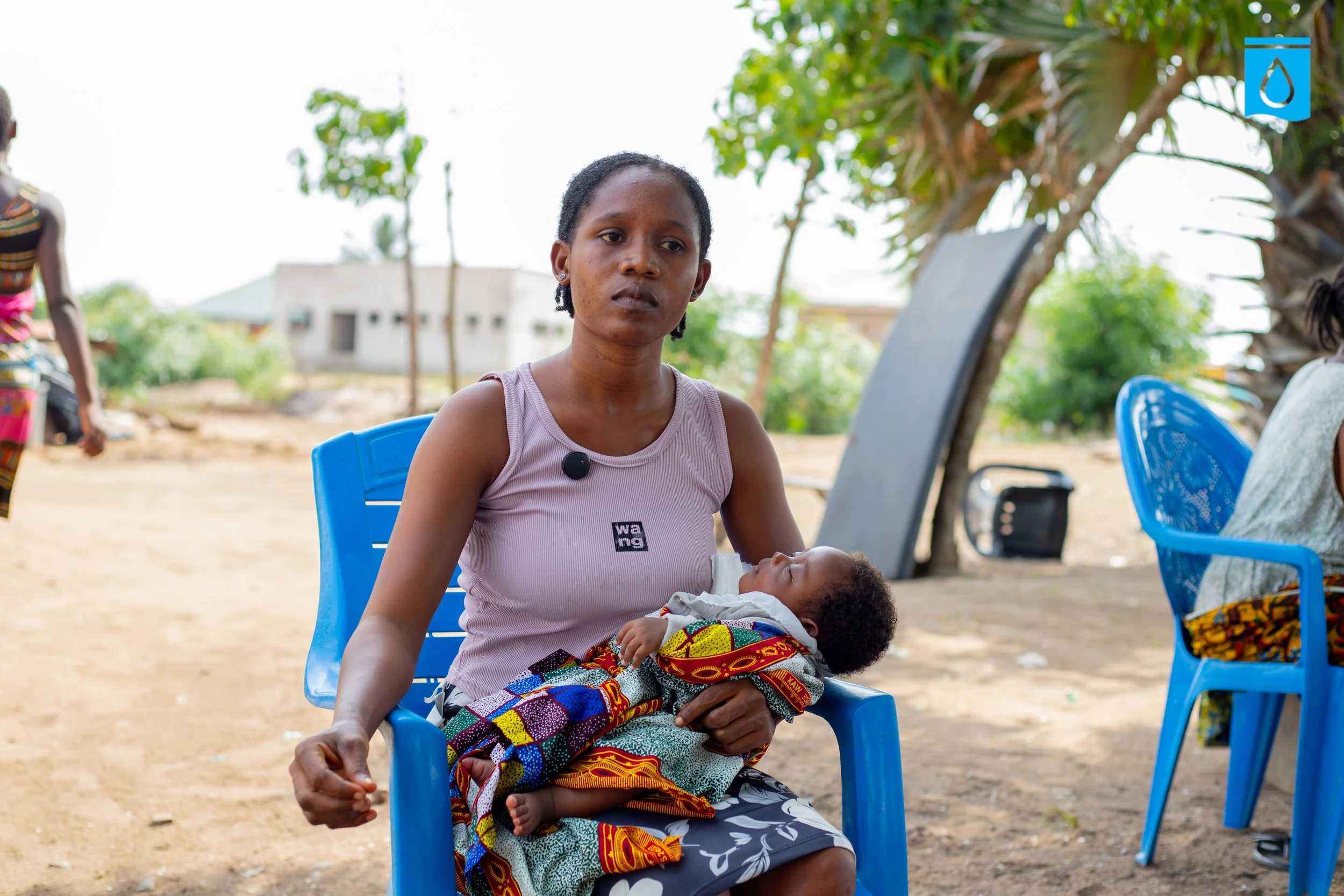
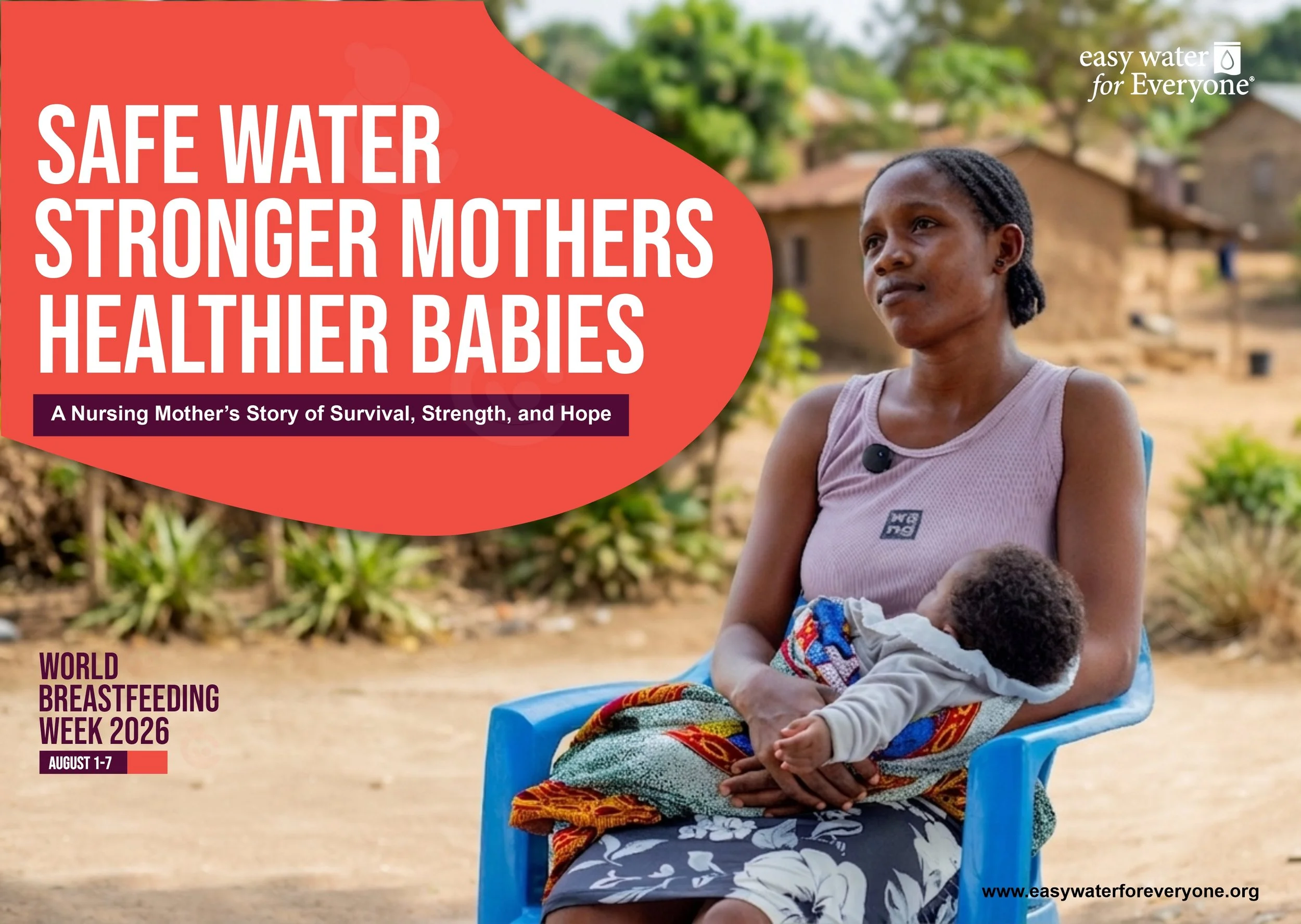
During the most difficult months of her pregnancy, 24-year-old Bernice worried about more than the health of her unborn child. She also worried about water.
Even though she lived in Tomefa, a peri-urban community in Ghana’s Greater Accra Region, she never had access to safe drinking water. Water was essential for keeping her hydrated, preparing meals, maintaining personal hygiene, and protecting herself from illness. Yet during moments of weakness, discomfort, and uncertainty, finding water she could trust added another burden to an already challenging pregnancy.
“My pregnancy was not easy,” Bernice recalls. “There were difficult moments when I felt weak and needed water regularly, but I was always concerned about whether the water available to us was safe for my unborn baby and me.”
For Bernice, every cup of water came with questions. Could it make her sick? Could contaminated water affect her pregnancy? Would she have enough strength to care for herself during moments of crisis?
“As a pregnant woman, I knew that whatever affected me could also affect my baby. I needed clean water to drink, bathe, and maintain good hygiene. Not having reliable access to safe water made an already difficult period even more stressful.”
The arrival of Easy Water for Everyone’s Gravity Water Station (GWS) in February 2025 changed her story. By providing safe water closer to her home, the GWS gave Bernice reassurance when she needed it most. During the toughest stages of her pregnancy, she could access water with greater confidence and focus on protecting her health and preparing for the arrival of her baby.
For Bernice, this was more than a water intervention. It was an investment in maternal and child health, women’s dignity, and household resilience. Reliable access to safe water reduced one of the daily pressures she faced and helped create a safer environment for pregnancy, childbirth, and early motherhood.
Today, Bernice is a nursing mother to two-month-old Kwaku. Safe water continues to play a critical role in her daily life as she breastfeeds, recovers from childbirth, prepares food, washes her hands, cleans feeding and household items, and cares for her growing baby. She looks at her son, smiles, and breathes a quiet sigh of relief. “Having safe water close to us has given me peace of mind as a mother.”
Bernice’s story is a powerful reminder that access to safe water is not only about satisfying thirst. It supports women through pregnancy, protects nursing mothers, strengthens breastfeeding, improves hygiene, and gives babies a healthier start in life.
Across last-mile communities in Ghana, Senegal, and Uganda, many women still experience pregnancy, childbirth, and motherhood without reliable access to clean water. Supporting access to safe water is an investment in maternal health, child survival, women’s empowerment, and sustainable development.
Donate, partner with us, or share Bernice and Kwaku’s story today.
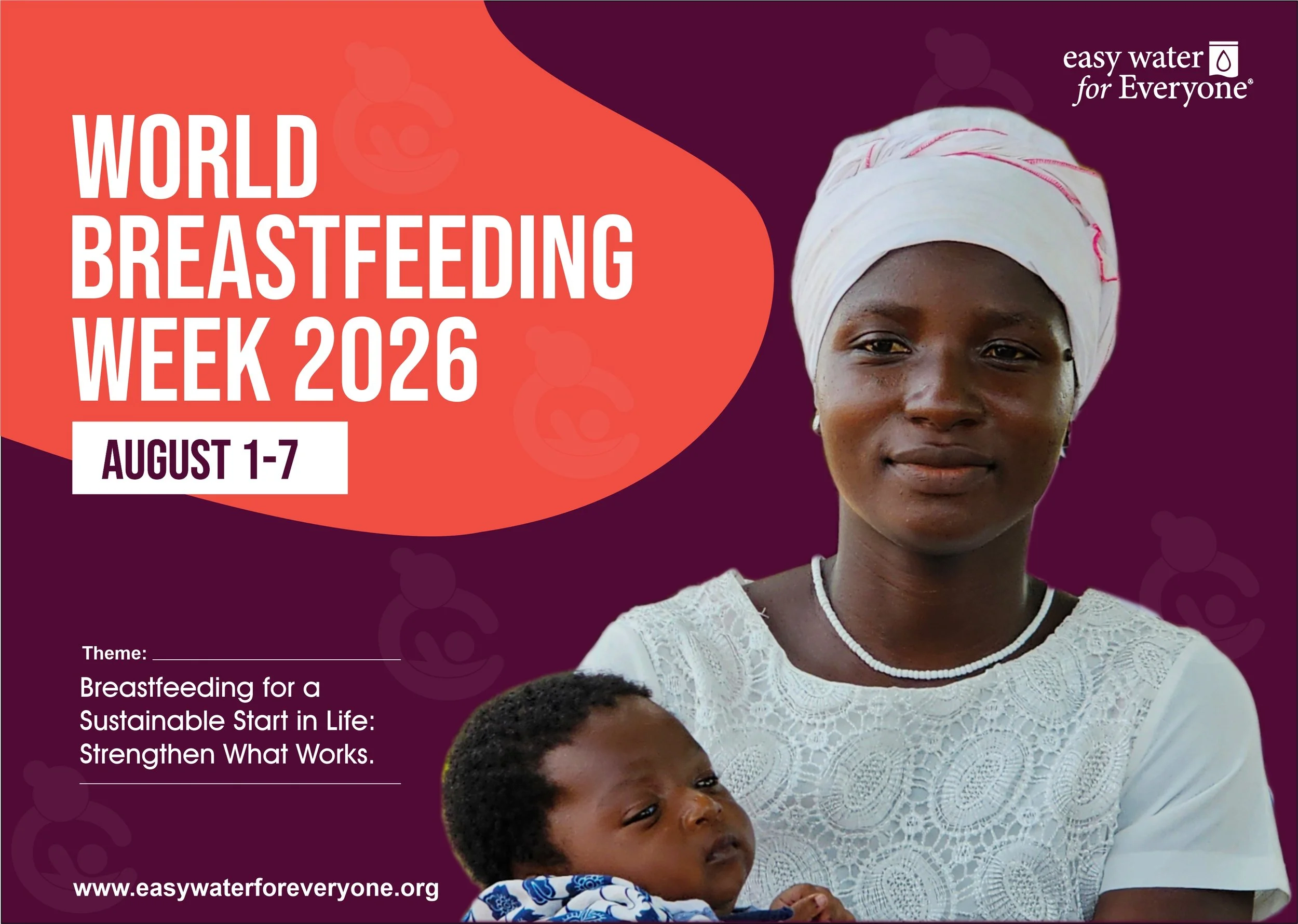
World Breastfeeding Week 2026:Breastfeeding Begins with Support, and Support Begins with Safe Water
This World Breastfeeding Week, partner with us to build a stronger chain of support around mothers and babies.
Did you know that human breast milk is approximately 87% to 88% water? Yet the fact that breast milk contains water does not mean that breastfeeding is disconnected from the wider water crisis.
A mother still needs safe water to drink, wash her hands, bathe, prepare food, maintain a hygienic home, recover after childbirth, and care safely for her baby. Health facilities also need reliable water for childbirth, hand hygiene, infection prevention, environmental cleaning, postnatal care, and newborn services. Women may require substantial amounts of drinking water during labor, recovery, and breastfeeding.
Exclusive breastfeeding rates in West and Central Africa remain among the lowest globally. UNICEF previously estimated that only about 3 in 10 infants under six months in the region were exclusively breastfed, compared with a global rate of 48% reported in 2023.
For many nursing mothers, the day begins with carrying a water container instead of resting after a difficult night of feeding. A mother may walk long distances under the sun while still recovering from childbirth, only to return with contaminated water that exposes her family to waterborne disease.
“As a nursing mother, it was heartbreaking to know that the very river we depended on for survival could threaten both my health and my baby’s well-being. But Easy Water for Everyone has changed our story. With safe water now within reach, I have more time, strength, and peace of mind to care for my two-month-old son.”
— Bernice, nursing mother, Tomefa, Ghana
Safe Water Strengthens the Chain of Support
Breastfeeding support cannot end with counseling a mother to breastfeed. It must also address the environment in which she is expected to do so.
In 2023, only about 60% of health care facilities in sub-Saharan Africa had basic water services, underscoring a major systems gap affecting infection prevention, patient safety, maternal care, and newborn health.
This gap makes investment in EWfE’s reliable, climate-resilient Gravity Water Stations a maternal and child health priority, not merely a construction project. Our solar-powered GWS is a proven and scalable technology that strengthens water security in last-mile communities.
The system is designed to purify contaminated water through highly efficient membrane filtration. It helps create an enabling environment in which:
Mothers have more time for breastfeeding, recovery, caregiving, and rest
Families have safer water for drinking, handwashing, bathing, and food preparation
Health workers can provide cleaner and safer maternal and newborn services
Newborns face reduced exposure to water-related illness
Women participate in the management and economic life of the water system
Local authorities and community leaders share responsibility for long-term sustainability
Donor investments are protected through professional monitoring and maintenance
This World Breastfeeding Week, partner with us to build a stronger chain of support around mothers and babies. Strengthen What Works. Support Breastfeeding. Invest in Safe Water.
Help give every baby a safer, healthier, and more sustainable start in life.
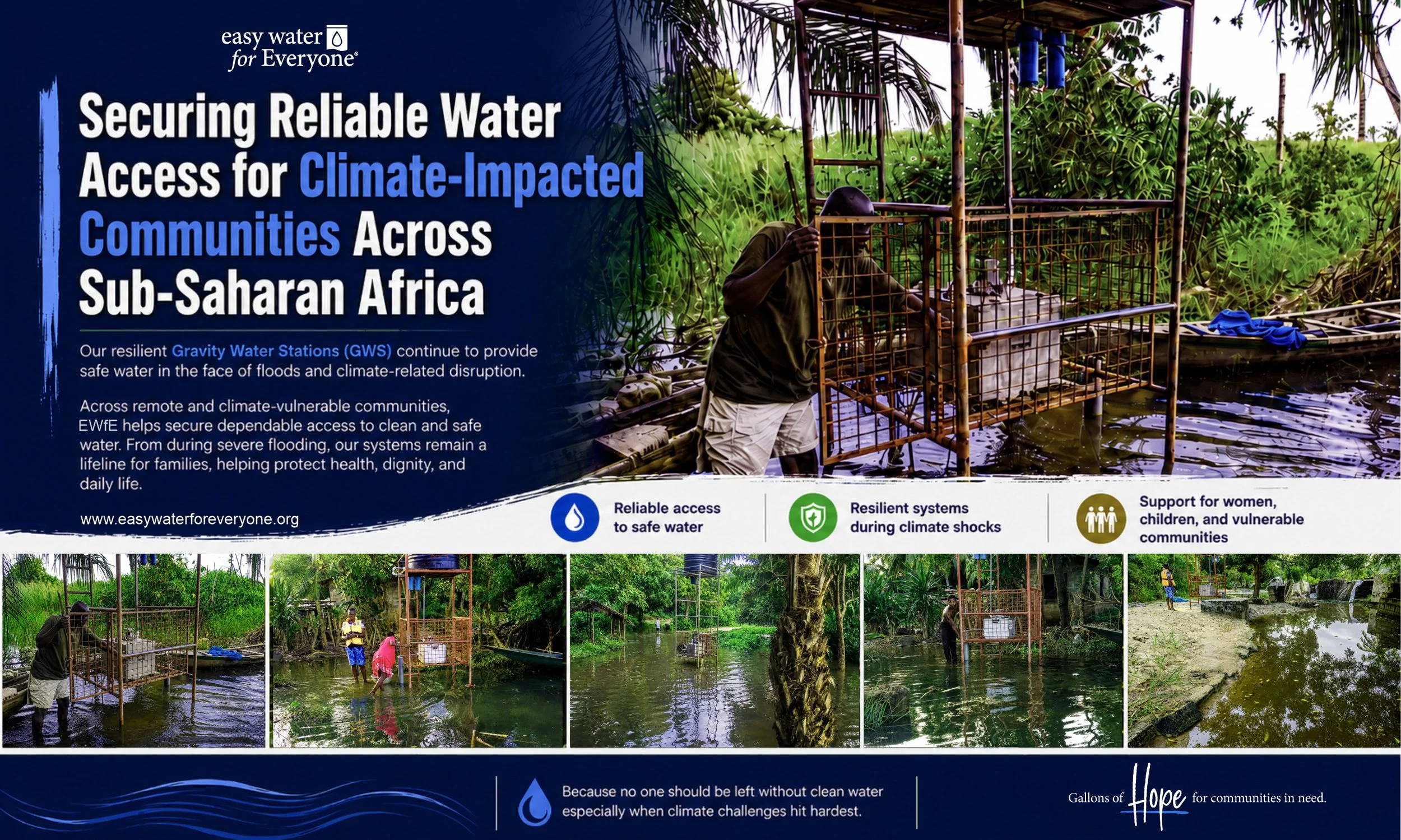
Securing Reliable Water Access for Climate-Impacted Communities Across Sub-Saharan Africa
Across Sub-Saharan Africa, climate change is reshaping the way communities access water.
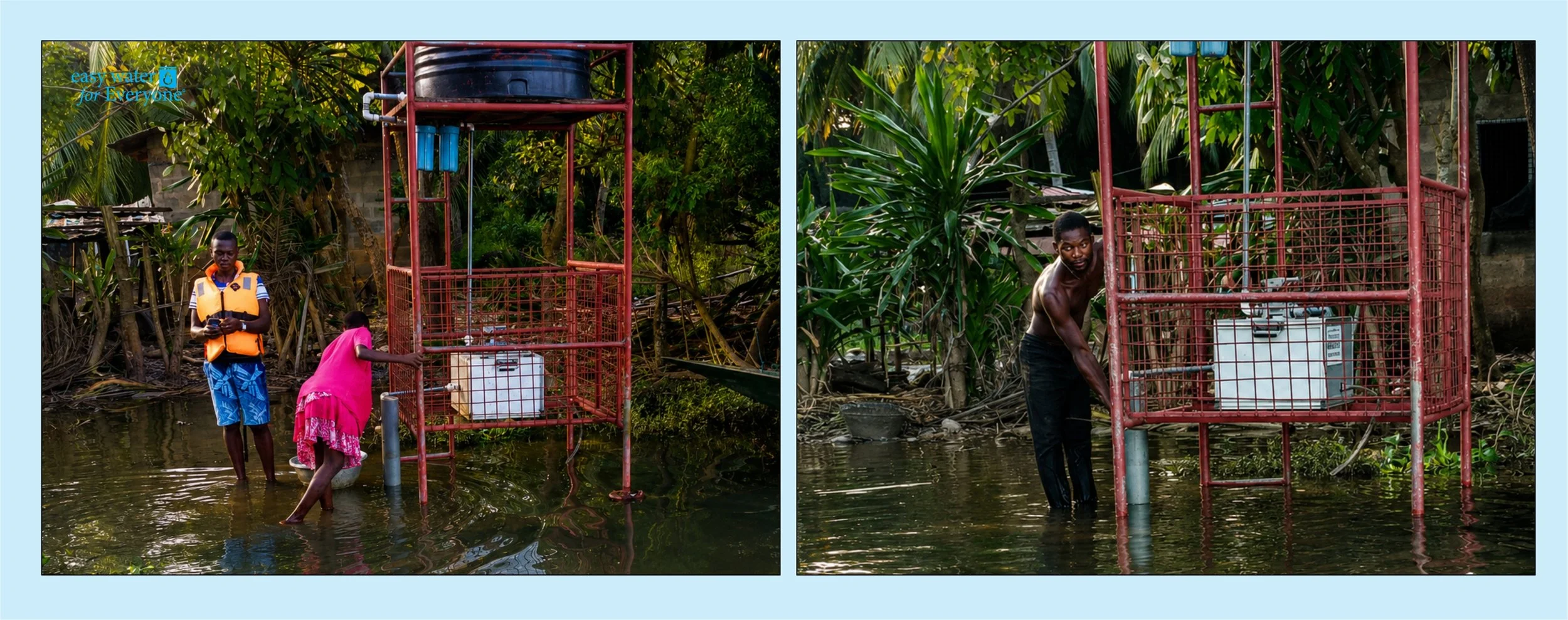
Building Climate-Resilient Water Systems That Protect Health, and Dignity
Across Sub-Saharan Africa, climate change is reshaping the way communities access water.
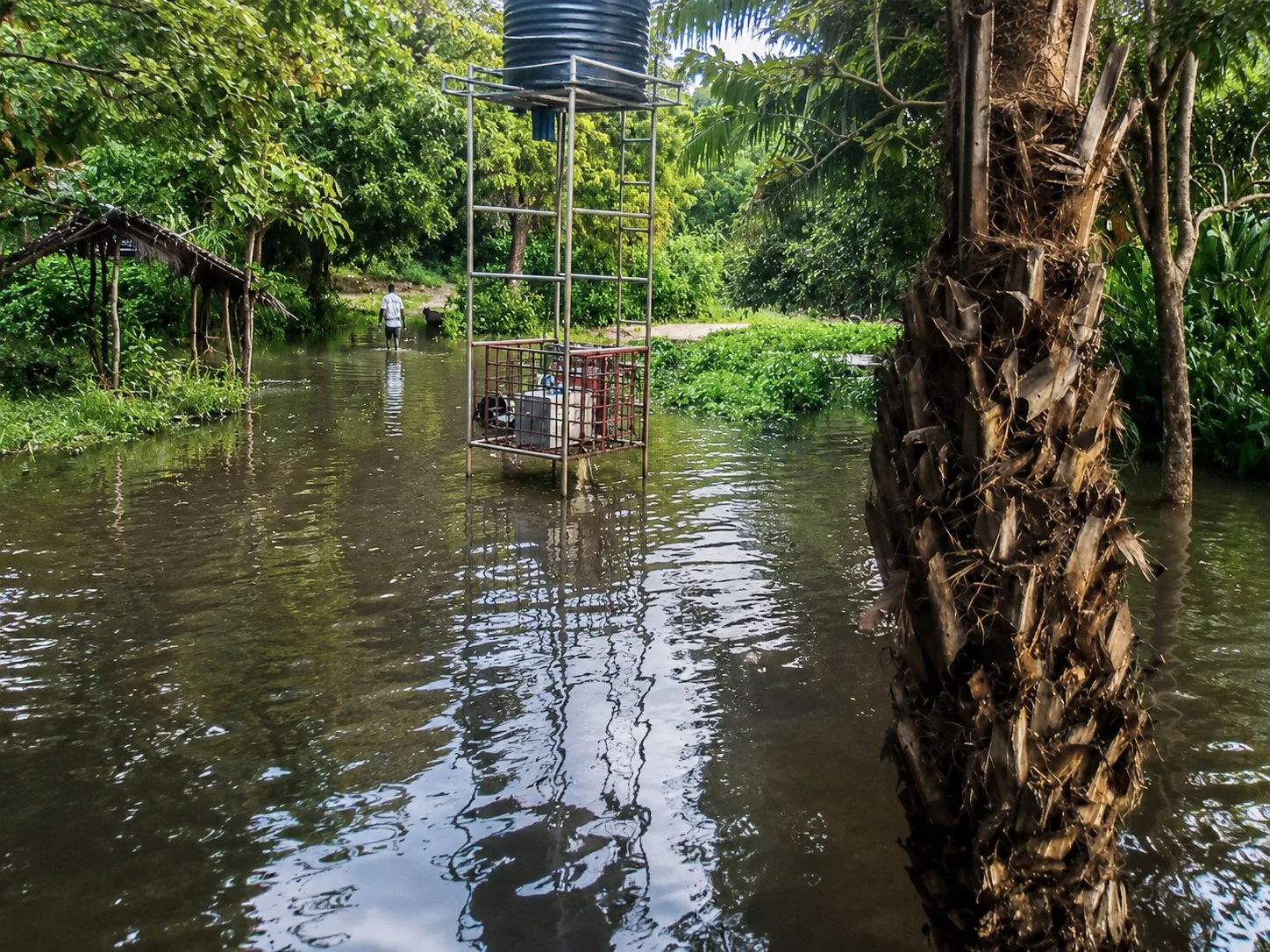
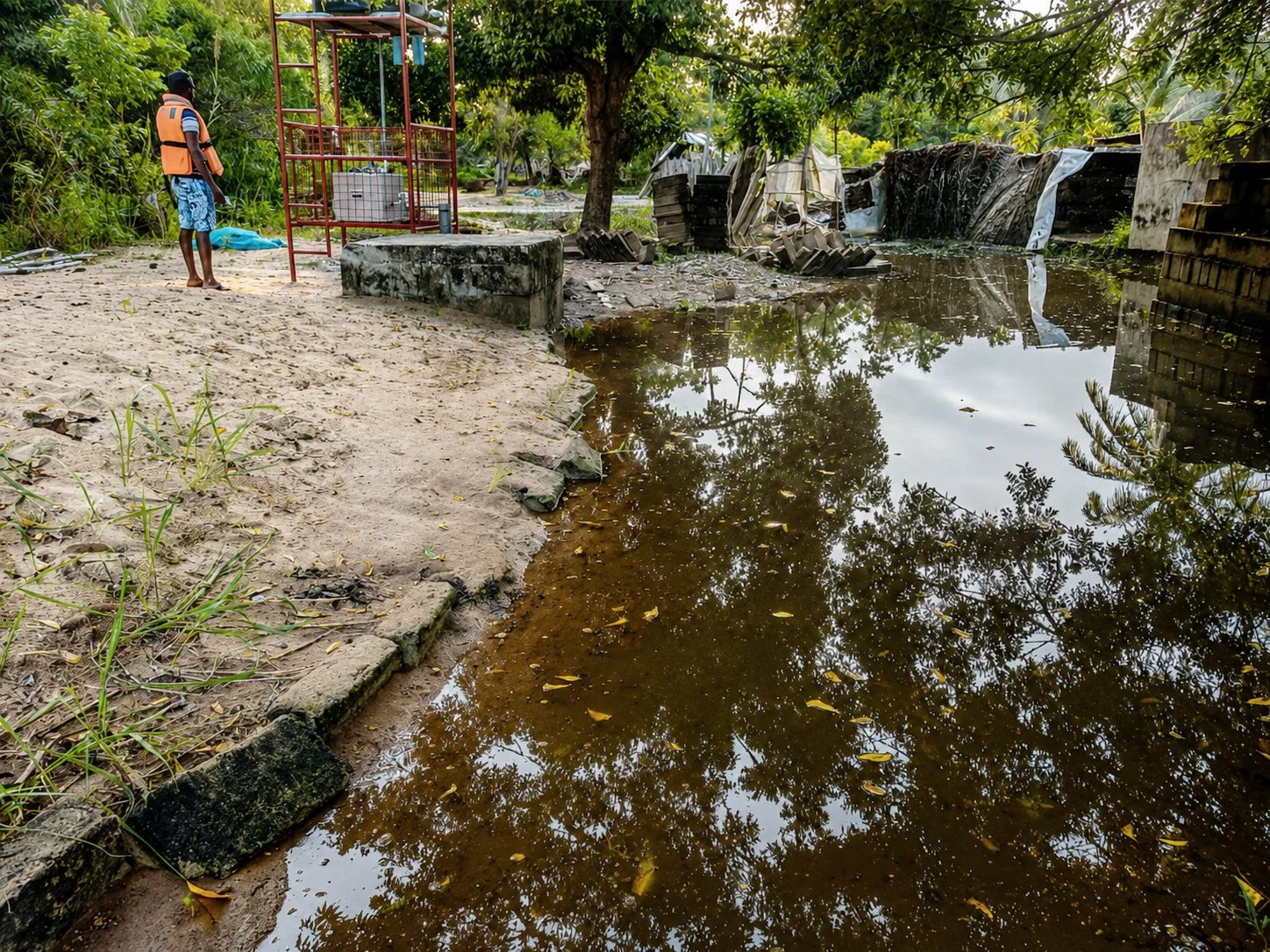
In Ghana, the rainy season has once again exposed the growing risks faced by vulnerable communities. Perennial floods are affecting many areas, including parts of the capital cities, and this year’s torrential rains have caused devastation in places that have not traditionally experienced flooding.
Beyond the destruction of homes, roads, livelihoods, and public infrastructure, floods create a serious public health threat: the contamination of rivers, streams, wells, and other water sources.
When floodwater mixes with waste, open drains, fecal matter, and polluted surface water, families become exposed to waterborne diseases such as cholera, diarrhea, typhoid, and other infections. For last-mile communities, where access to safe water is already limited, this danger becomes even more urgent.
This is why reliable access to water is essential for climate-impacted communities.
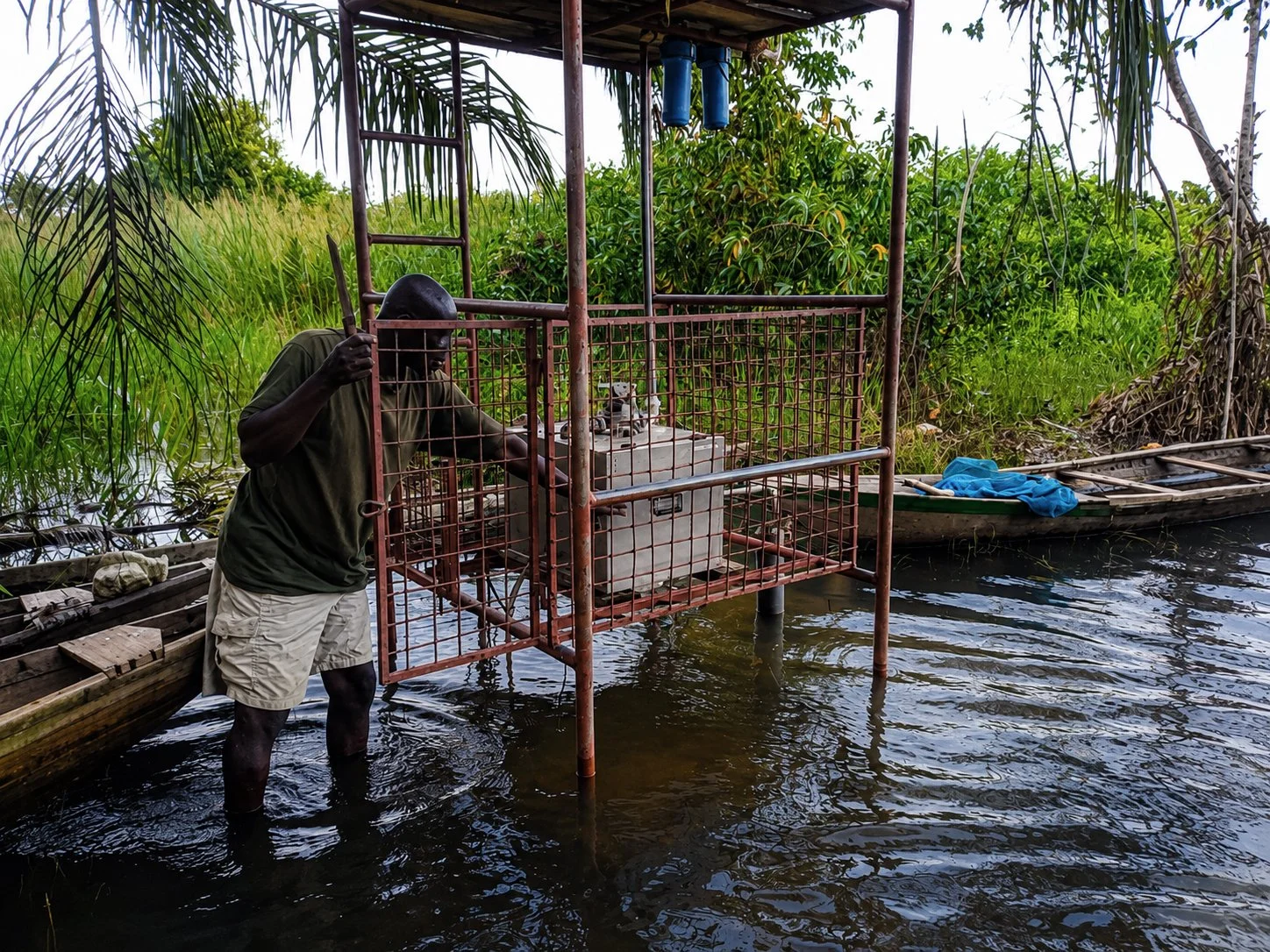
Our solar-powered Gravity Water Station (GWS) is designed to serve communities where conventional infrastructure may be difficult to install, expensive to maintain, or unreliable. It is a decentralized, practical, low-maintenance, and community-driven water purification system built for real conditions in remote communities.
Our GWS is not only about providing water. It is about securing reliable access to clean, treated water in places where climate shocks threaten health, dignity, and daily life.
During the devastating 2023 Akosombo Dam spillage, many island communities in the Ada East District of the Greater Accra Region were severely flooded. Despite the crisis, EWfE’s GWS continued to provide clean and safe drinking water to most affected communities. None of the systems experienced downtime. They remained resilient throughout the emergency, helping to safeguard the health and well-being of residents, particularly women and children.
According to the former Health Director of Ada East Hospital, Dr. Philip Narh, even though the cholera outbreak was pervasive, the Health Directorate observed that island communities with EWfE’s GWS did not report any cholera cases during the floods.
That testimony shows why climate-resilient WASH systems matter.
EWfE’s solar-powered GWS is uniquely designed for last-mile and climate-impacted communities because it is:
o Solar-powered: It can operate in remote communities without reliable electricity.
o Practical and decentralized: It brings clean water closer to communities where piped water may not reach.
o Low-maintenance: It reduces downtime and supports long-term reliability.
o Community-driven: Local people are trained and involved in daily operations.
o Climate-resilient: It helps communities continue accessing safer water during floods, seasonal disruptions, and climate shocks.
o Public health-focused: It supports disease prevention, hygiene education, water quality, and maternal and child health.
We are helping to secure reliable access to water for climate-impacted communities across Ghana, Senegal, and Uganda. We protect children, support women, and strengthen local capacity. We also promote community-led solutions and help reduce the risk of waterborne disease outbreaks.
When you donate to EWfE, you are not just giving water. You are investing in a robust, solar-powered, climate-resilient GWS that can serve remote communities, withstand climate shocks, and keep clean water flowing when it is needed most.
Donate to EWfE today. Help secure reliable access to water for climate-impacted communities across Sub-Saharan Africa.
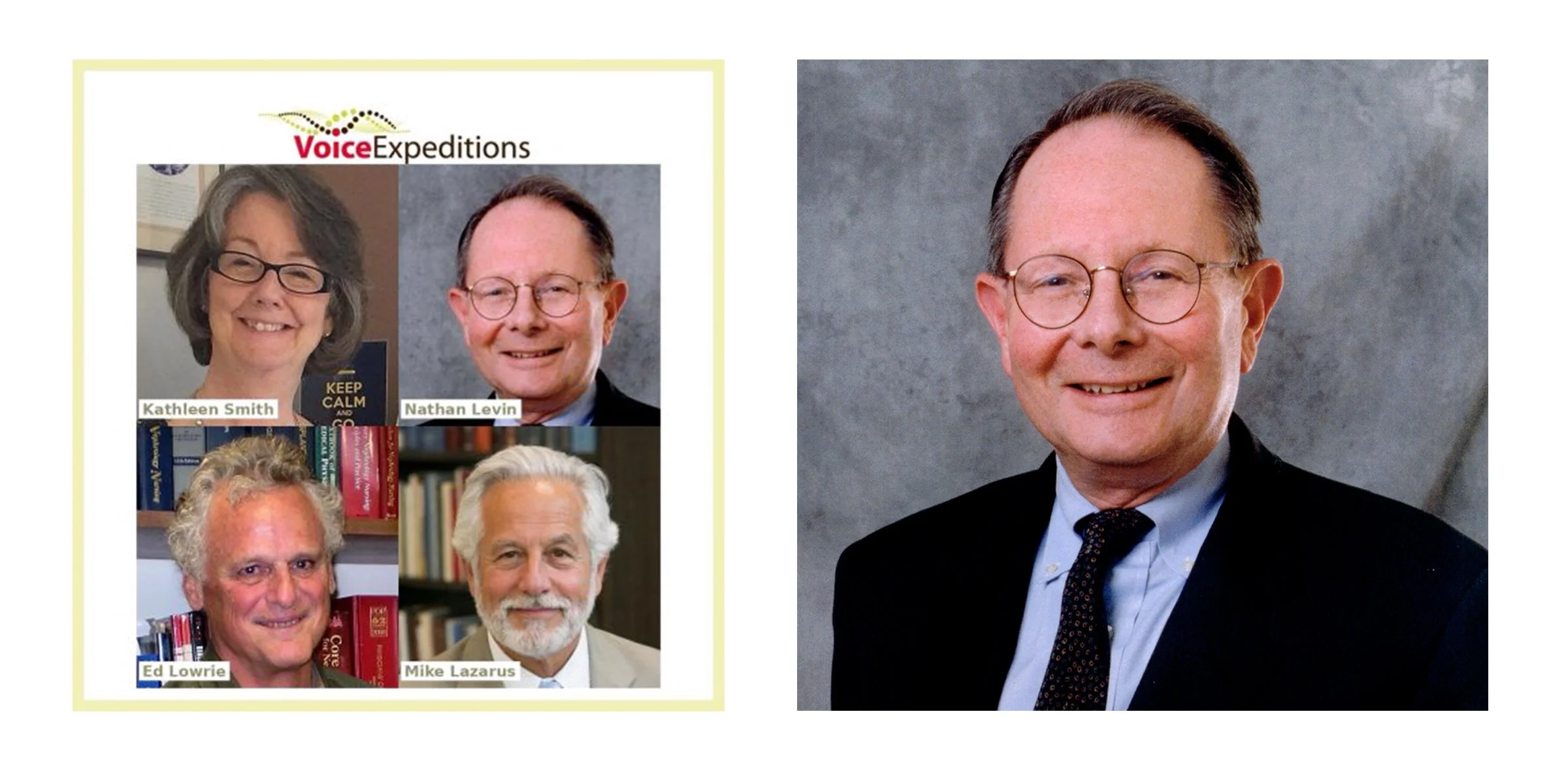
Honoring Dr. Nathan W. Levin: When Medical Innovation Becomes a Mission for Humanity
At Easy Water for Everyone (EWfE), our story is deeply rooted in a powerful conviction: medicine should not only treat disease, it should also help prevent it.
That conviction is clearly reflected in the life and work of our Founder, Dr. Nathan W. Levin, whose remarkable contribution to nephrology and kidney care continues to inspire many across the world.
We are pleased to share that Dr. Nathan W. Levin has been featured in the Oral History of Nephrology series, alongside other distinguished leaders, including Kathleen Smith, EdLowrie, and Mike Lazarus. These interviews preserve the voices and experiences of individuals who have significantly shaped the evolution of kidney care, clinical innovation, and nephrology in the United States.
For Dr. Levin, this legacy goes beyond the walls of clinical care. His lifelong commitment to kidney health also inspired the founding of EWfE, a mission-driven non-profit organization working to provide clean, safe water to underserved and last-mile communities in Africa. Dr. Levin is the President of Easy Water for Everyone and has been instrumental in seeing the mission of Easy Water fulfilled daily, as 40,000+ children and their parents in Ghana, Senegal, and Uganda now have access to pure water for drinking, cooking, and bathing. This has been a natural evolution from his long career in nephrology
Through EWfE, Dr. Levin’s vision continues in a practical and life-saving way. By using repurposed dialysis technology to remove harmful pathogens, bacteria, and viruses from contaminated water, EWfE helps protect vulnerable communities from waterborne diseases, improves public health, and supports healthier futures for children, women, and families. His journey reminds us that innovation can serve humanity in more than one way. It can heal. It can prevent. It can protect. And it can transform lives.
We celebrate Dr. Nathan W. Levin for his extraordinary contributions to kidney care, public health, and access to clean water.
Listen to Dr Levin’s full interview here: https://www.henscratchstudios.com/voice-expedition/nathan-levin/
This interview with Dr. Nathan Levin was recorded over lunch in midtown Manhattan, where he served as medical and research director at the Renal Research Institute. Dr. Levin’s remarkable journey in nephrology began in 1955 during his medical training in South Africa, when he encountered patients dying from renal failure at a time when no effective treatments existed. In this wide-ranging conversation, Dr. Levin reflects on a distinguished career spanning basic science research, clinical care, and leadership in nephrology.

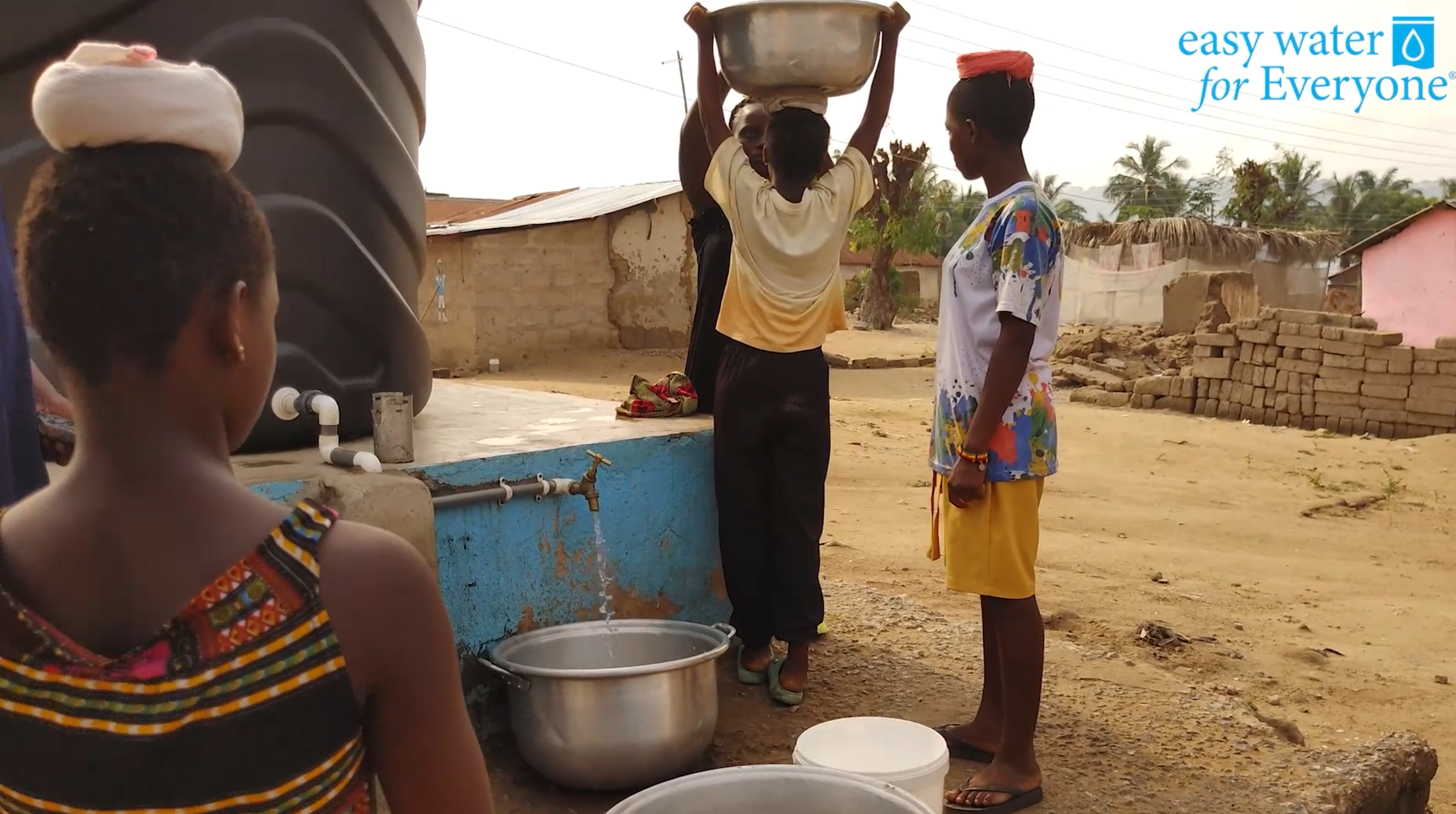
Rewriting Education Through Clean Water: The Transformative Story of Tomefa, Ghana
A year after the installation of EWfE’s largest Gravity Water Station, the impact of clean water is being felt not only in homes but also in classrooms.
🎥 𝗪𝗮𝘁𝗰𝗵 𝘁𝗵𝗲 𝗮𝘁𝘁𝗮𝗰𝗵𝗲𝗱 𝘃𝗶𝗱𝗲𝗼 𝗮𝘀 𝘁𝗵𝗲 𝗵𝗲𝗮𝗱𝗺𝗶𝘀𝘁𝗿𝗲𝘀𝘀 𝗼𝗳 𝗧𝗼𝗺𝗲𝗳𝗮 𝗠/𝗔 𝗕𝗮𝘀𝗶𝗰 𝗦𝗰𝗵𝗼𝗼𝗹 𝘀𝗵𝗮𝗿𝗲𝘀 𝗮 𝘀𝘁𝗼𝗿𝘆 𝗼𝗳 𝗰𝗵𝗮𝗻𝗴𝗲, 𝗴𝗿𝗮𝘁𝗶𝘁𝘂𝗱𝗲, 𝗮𝗻𝗱 𝗵𝗼𝗽𝗲.
This is the kind of impact your donation makes possible. You are not only helping to provide clean water. You are helping to strengthen education, protect the health of schoolchildren, and create an environment where young minds can thrive.
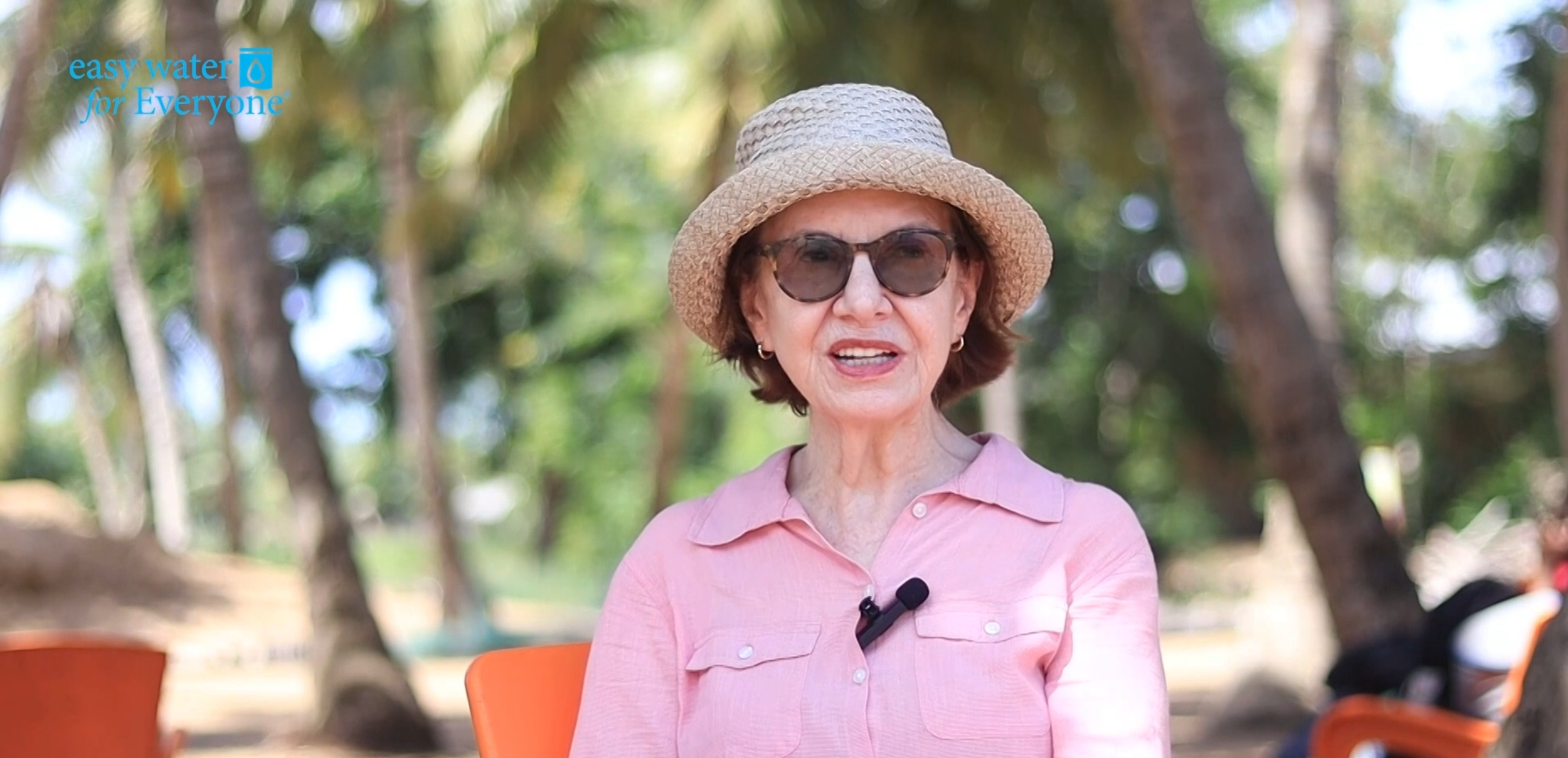
11 YEARS OF TRANSFORMING LIVES WITH CLEAN WATER
For 11 years, this journey has been made possible by people who believed, gave, served, partnered, encouraged, and walked with us.
As we celebrate this important milestone, we invite you to watch a special video interview with Linda L. Donald, Co-founder of Easy Water for Everyone, as she shares a heartfelt message of gratitude to the donors, supporters, partners, volunteers, community leaders, staff, and friends who have stood with EWfE over the years.
Since beginning operations in 2015, EWfE has reached 40,000+ people in more than 52 communities across Ghana, Senegal, and Uganda, helping provide safe water through our Gravity Water Stations. Together, we have supported families, schools, health centers, women, children, and last-mile communities where clean water is not just a need, but a lifeline.
This anniversary is both a celebration and a reminder: Every community reached, every life touched, and every drop of clean water delivered has been made possible because someone cared enough to act.
As EWfE enters a new phase of growth, we remain committed to strengthening sustainability, accountability, research, and long-term service delivery through initiatives such as Pay-to-Fetch, AquaCare Solutions, and partnerships with stakeholders in the Water, Sanitation, and Hygiene (WASH) sector.
To everyone who has walked this journey with us, thank you. Your generosity has helped turn compassion into action, and action into lasting impact. The journey continues, and many more communities are still waiting.
Donate, and share our Story with friends and family.
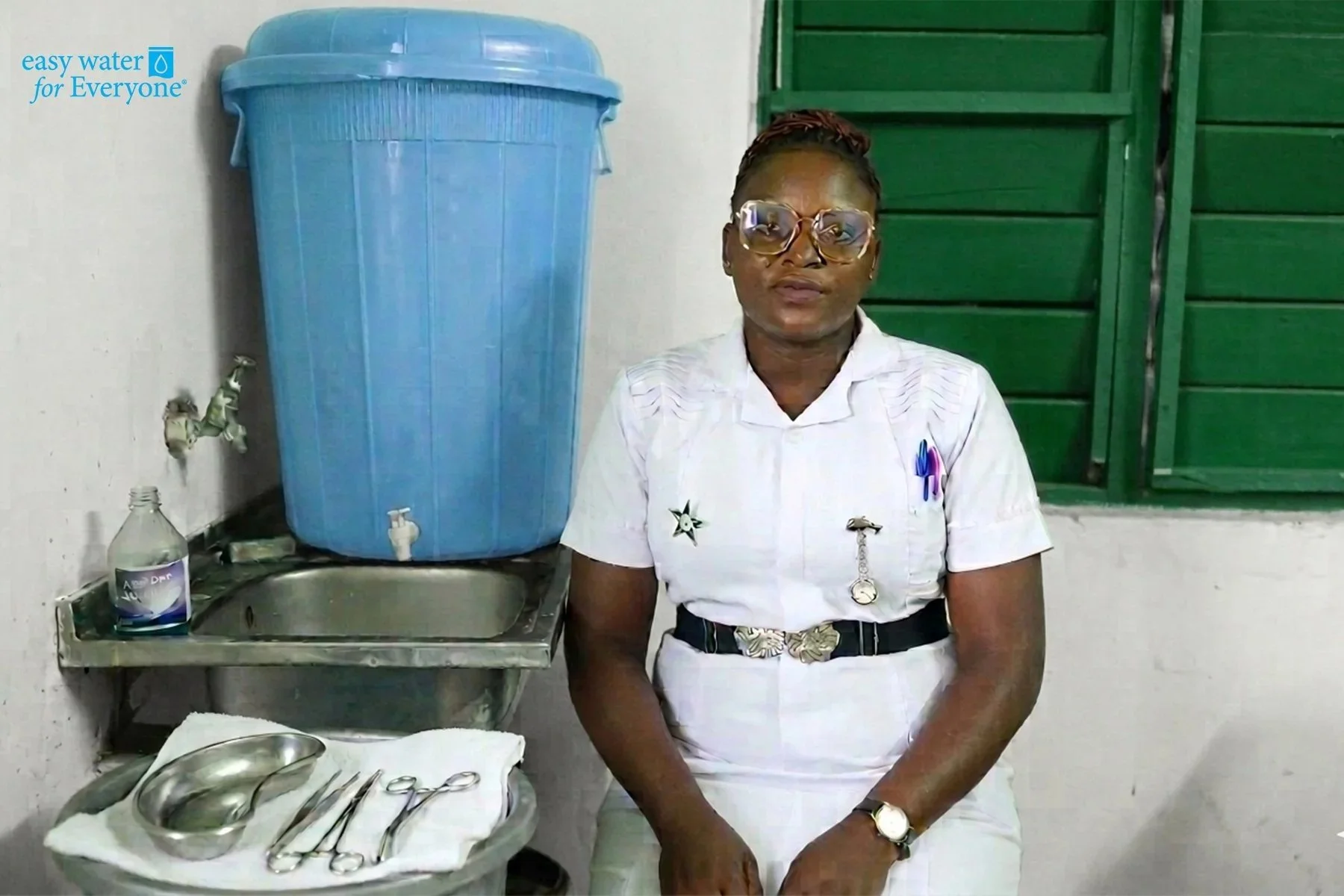
Empowering Nurses with Clean Water
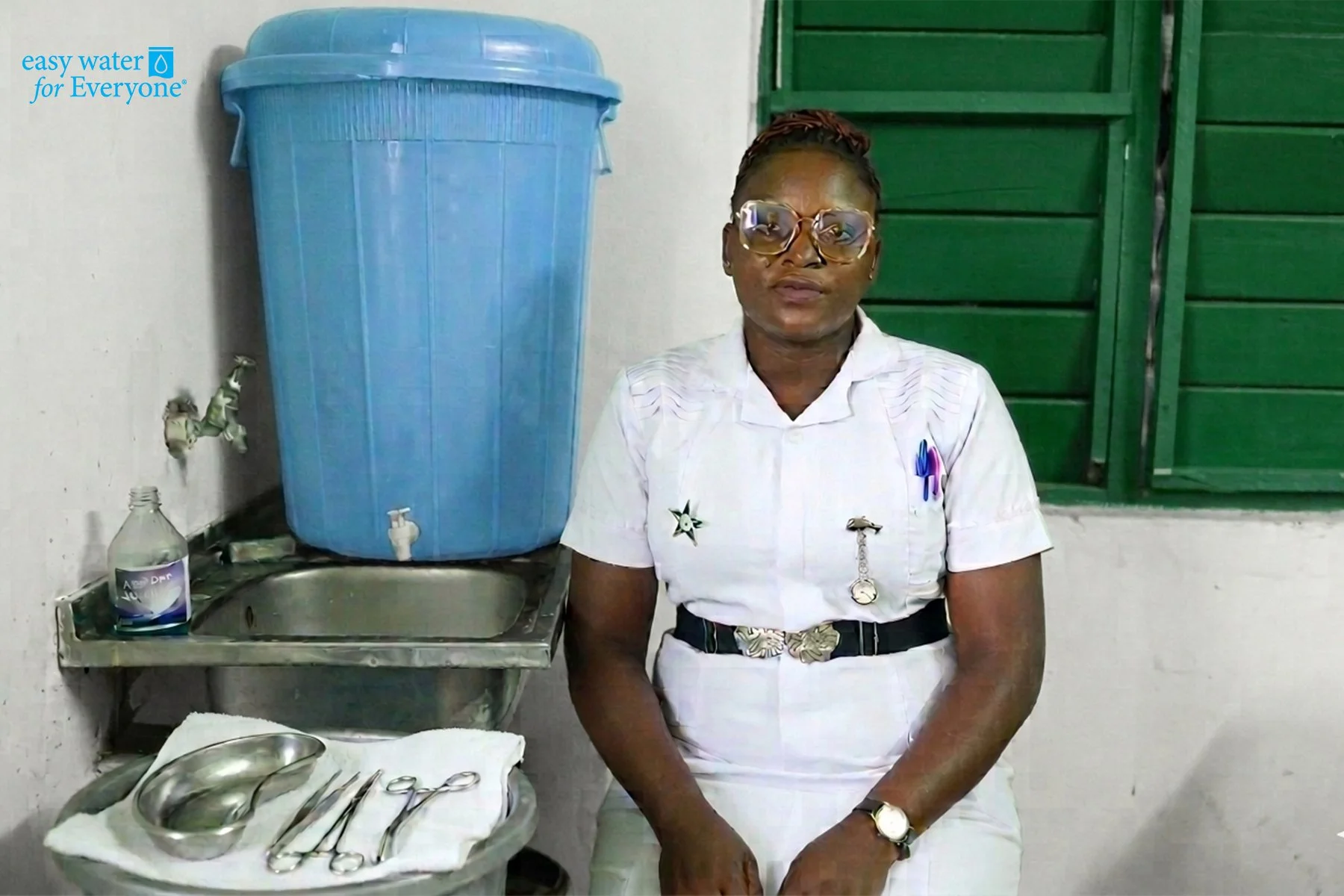
On International Nurses Day 2026, we join the world in celebrating the theme, “Our Nurses. Our Future. Empowered Nurses Save Lives.” But in many remote and underserved communities across Africa, nurses are still expected to save lives without one of the most basic tools of healthcare: clean water.
A nurse can have compassion, training, and commitment, but when a health center lacks reliable water access, every act of care becomes harder. Safe delivery becomes riskier. Newborn care becomes more fragile. Infection prevention becomes a daily struggle. Handwashing, cleaning medical spaces, supporting hygiene education, caring for mothers after childbirth, and maintaining patient dignity all depend on water that is clean, accessible, and dependable.
At Easy Water for Everyone, we believe empowering nurses begins with strengthening the environments in which they serve. That is why our Gravity Water Stations (GWS) are helping last-mile health facilities improve safe water access, strengthen WASH services, and deliver safer, more dignified care to women, babies, children, and families.
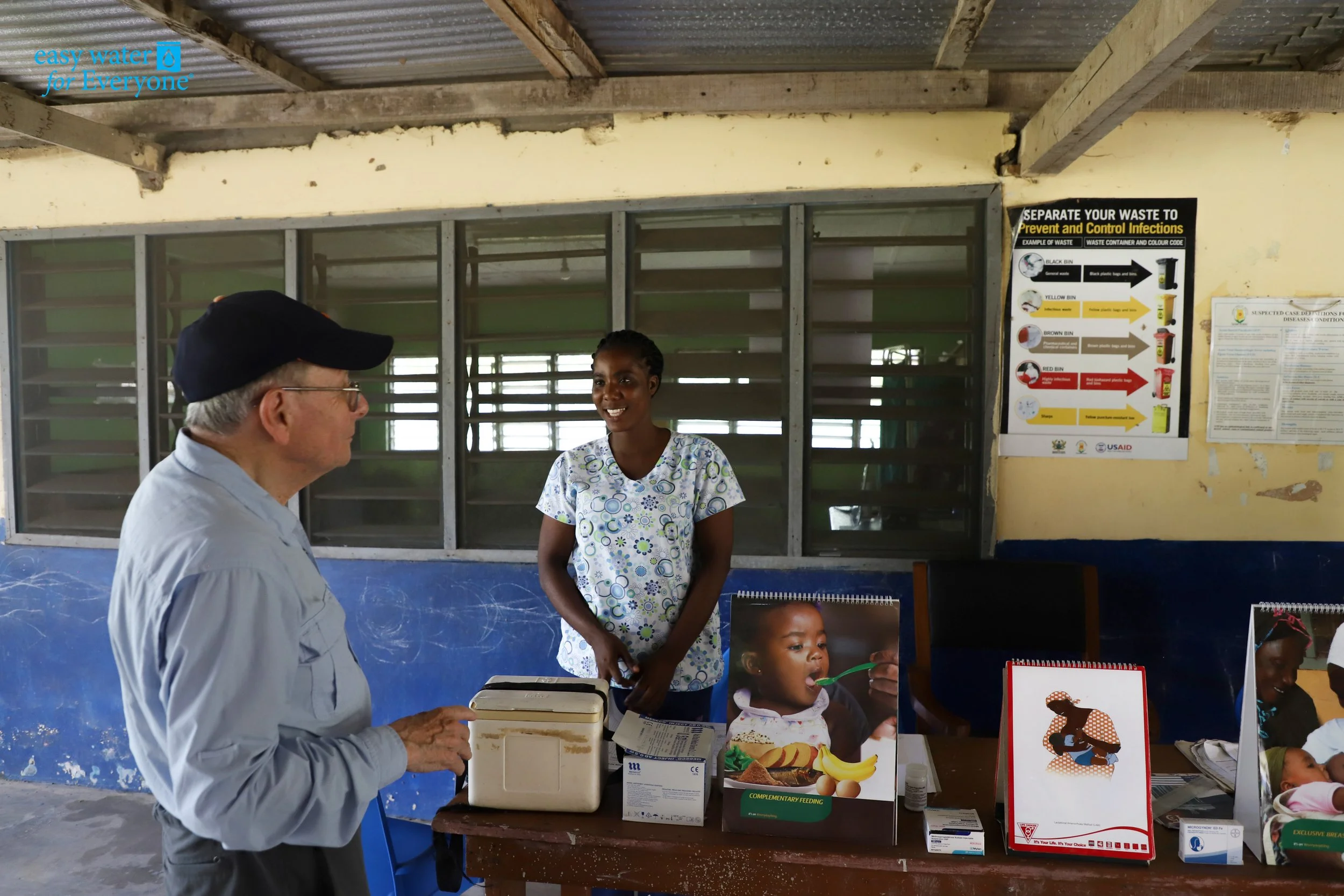
At Pediatorkorpe Health Center in the Ada East District of Ghana, serving a population of 1,153 people, clean water is giving nurses a stronger foundation to care for their community. As Gifty Adeyiga, a nurse at Pediatorkorpe Health Center shared, “Clean water has made our work as health workers easier. We are now able to care for mothers, babies, and other patients in a safer environment.”
Her words capture the heart of this mission. Clean water is not just a facility improvement. It is a lifeline for nurses, mothers in labor, newborn babies, sick children, and every patient who walks into a rural health center hoping to receive care with dignity.
At Nyameani Clinic in the Ashanti Region of Ghana, serving 1,489 people, clean water is helping secure the lives of women and children by supporting safer hygiene practices, improving maternal and child health, and reducing exposure to waterborne diseases.
At Sinthian Clinic in Senegal, which serves about 300 people, access to clean water gives healthcare workers a more reliable foundation to serve patients with confidence and dignity while supporting stronger community health outcomes.
When nurses are empowered with clean water, entire communities benefit. Mothers are cared for in safer conditions. Babies receive a healthier start to life. Children face fewer preventable illnesses linked to unsafe water. School attendance improves when families are healthier. Women regain time, strength, and dignity. Communities become more resilient.
Clean water is not only a WASH issue. It is a healthcare issue. It is a maternal and child health issue. It is a child survival issue. It is a future-building issue.
This International Nurses Day, we honor nurses not only with words, but with action. Investing in clean water is investing in nurses. It is investing in mothers, babies, schoolchildren, and the future of healthcare in Africa. It is also a direct commitment to SDG 6: Clean Water and Sanitation, and to stronger health systems for communities too often left behind.
At Easy Water for Everyone, we are committed to ensuring that health centers in last-mile communities are not forced to choose between care and clean water. Through improved water quality, reliable systems, and community-centered support, we help health facilities protect lives with greater confidence.
With your support, we can help more nurses serve with dignity, prevent avoidable health risks, and bring safe water to the places where it is needed most.
Donate today to empower nurses with clean water and help save lives.
Why Research and Data Matter in Delivering Safe Water
At Easy Water for Everyone, we believe that clean water interventions should do more than meet an urgent need; they should also build a community-supported business model to ensure sustainability. The outcomes should be measured, tested, and strengthened by evidence-based analysis.
That is why data collection and research are integral to our work.
In the communities we serve, safe water is closely linked to public health, dignity, resilience, and long-term development. But delivering clean water to last-mile communities requires more than installing a system. It requires understanding the changing nature of water sources, tracking health outcomes, and making sure our interventions remain sustainable.
Water quality varies from one community to another and can also change with seasons, rainfall patterns, environmental conditions, and human activity. This makes ongoing testing and technical review essential.
At EWfE, we respond to this reality through a research-based approach to water quality and health impact.
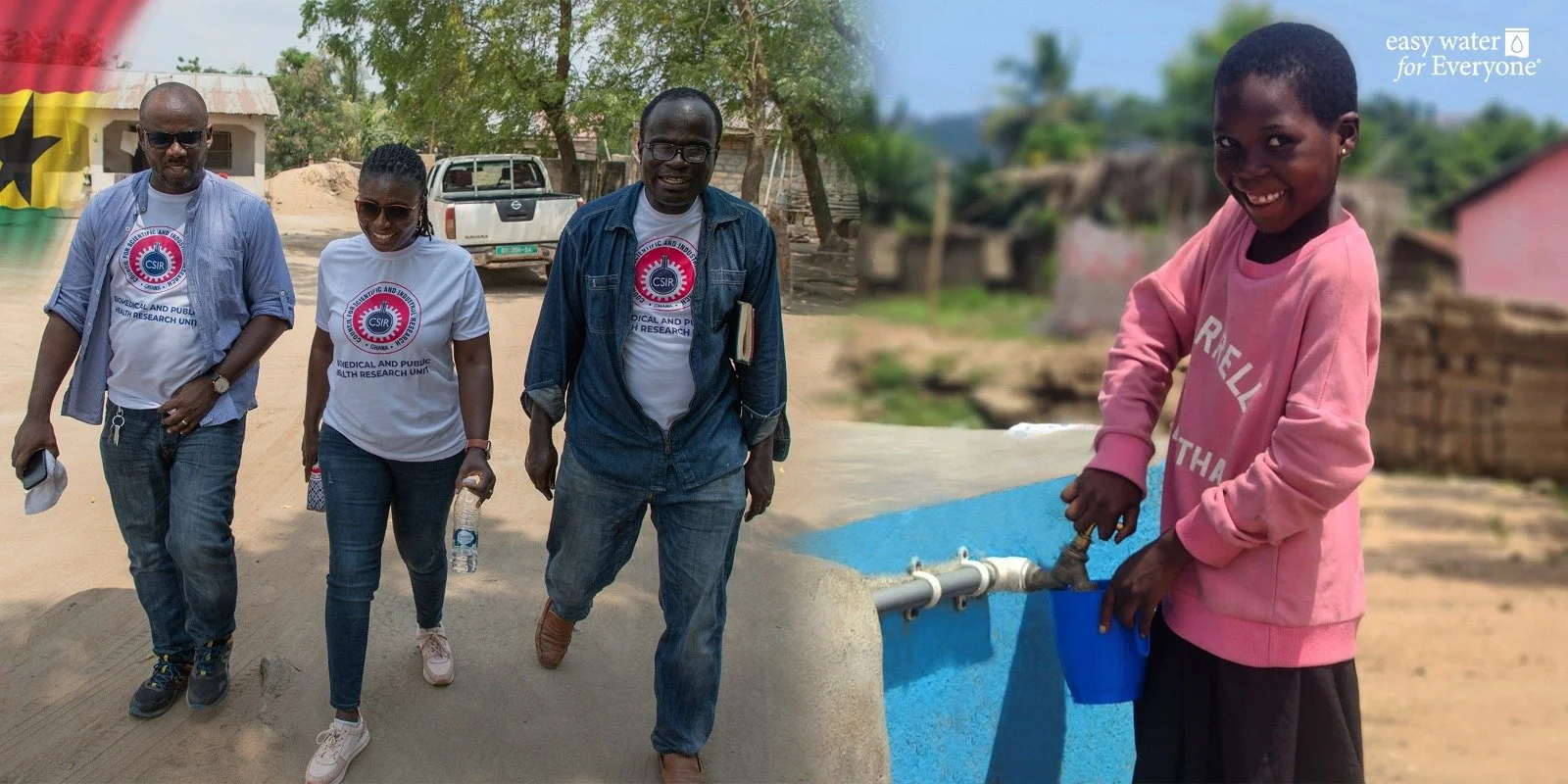
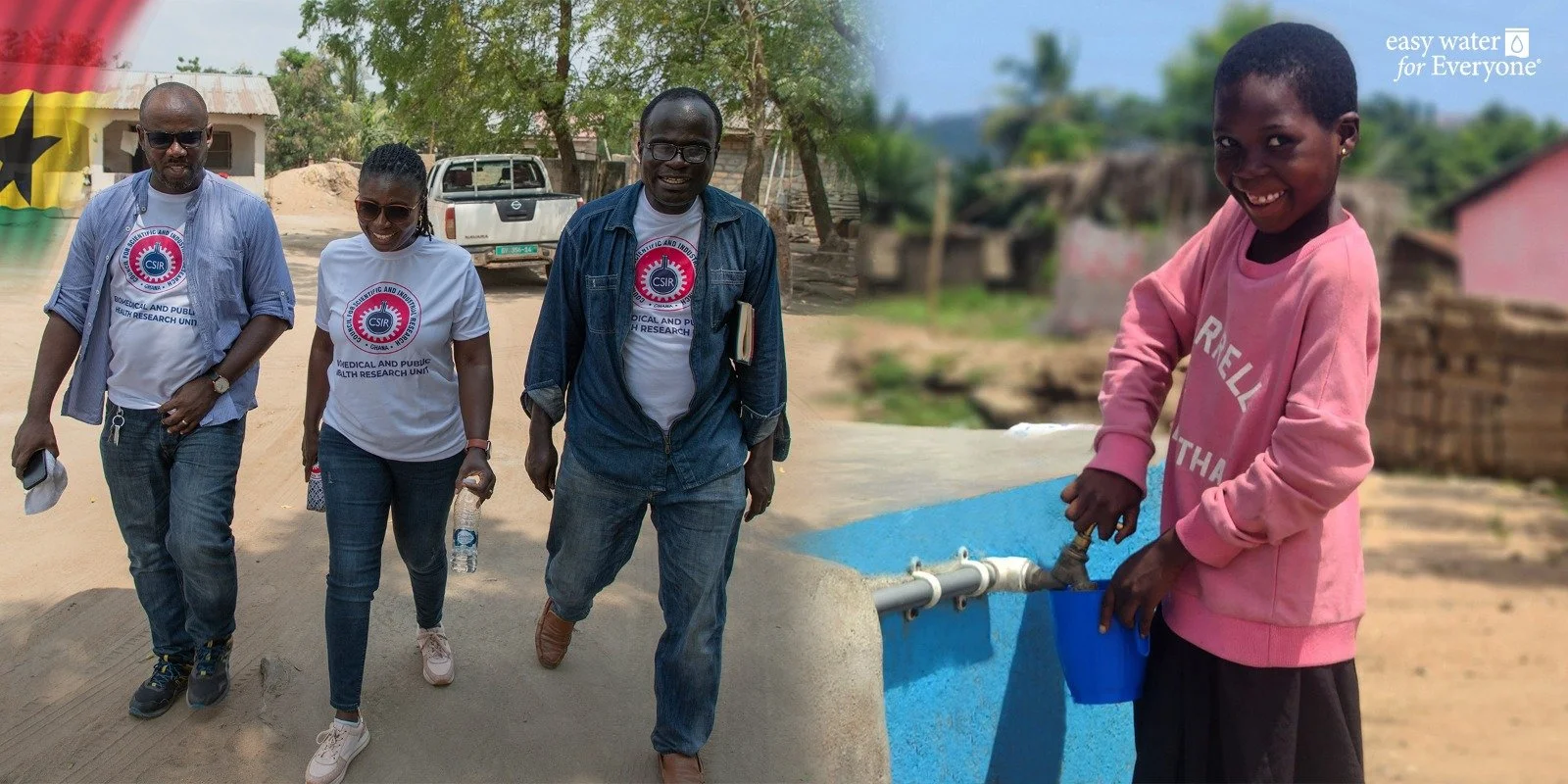
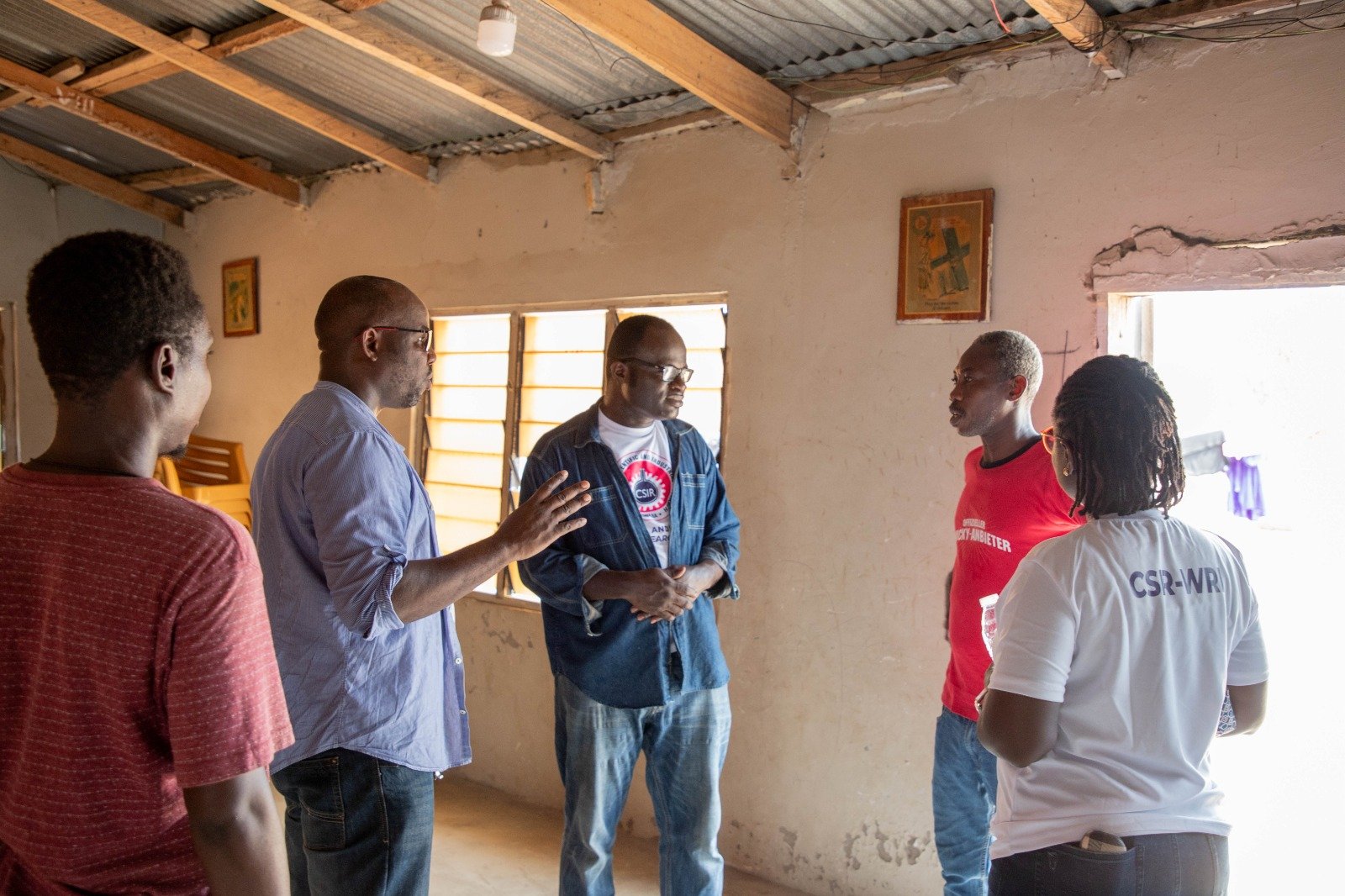
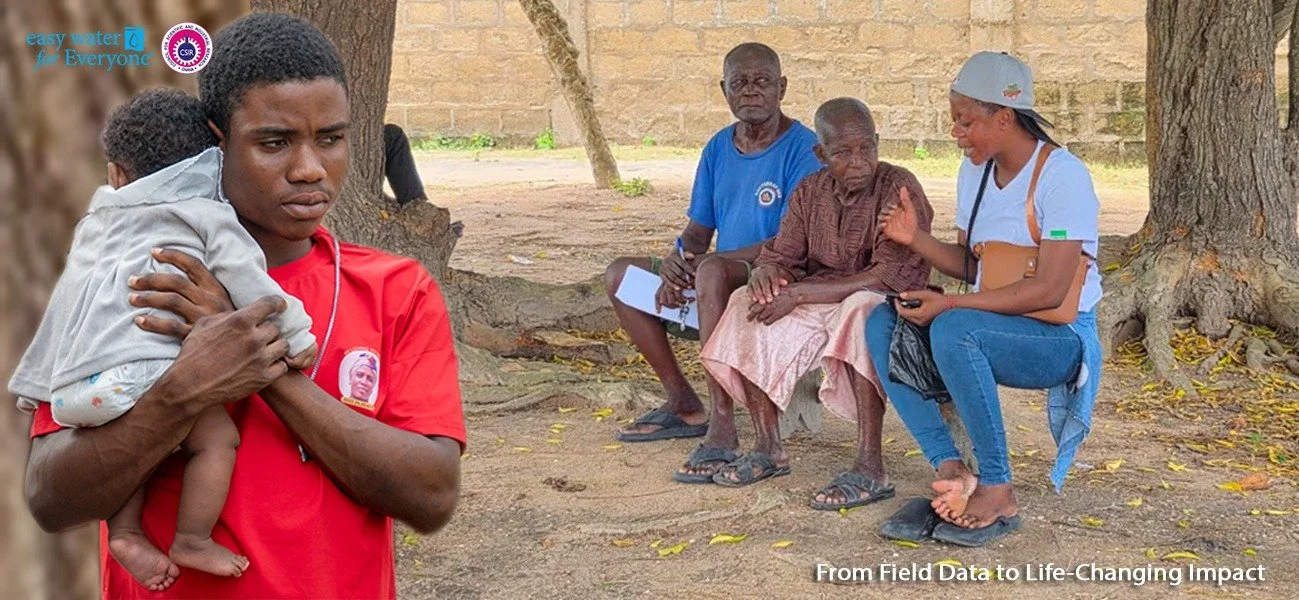
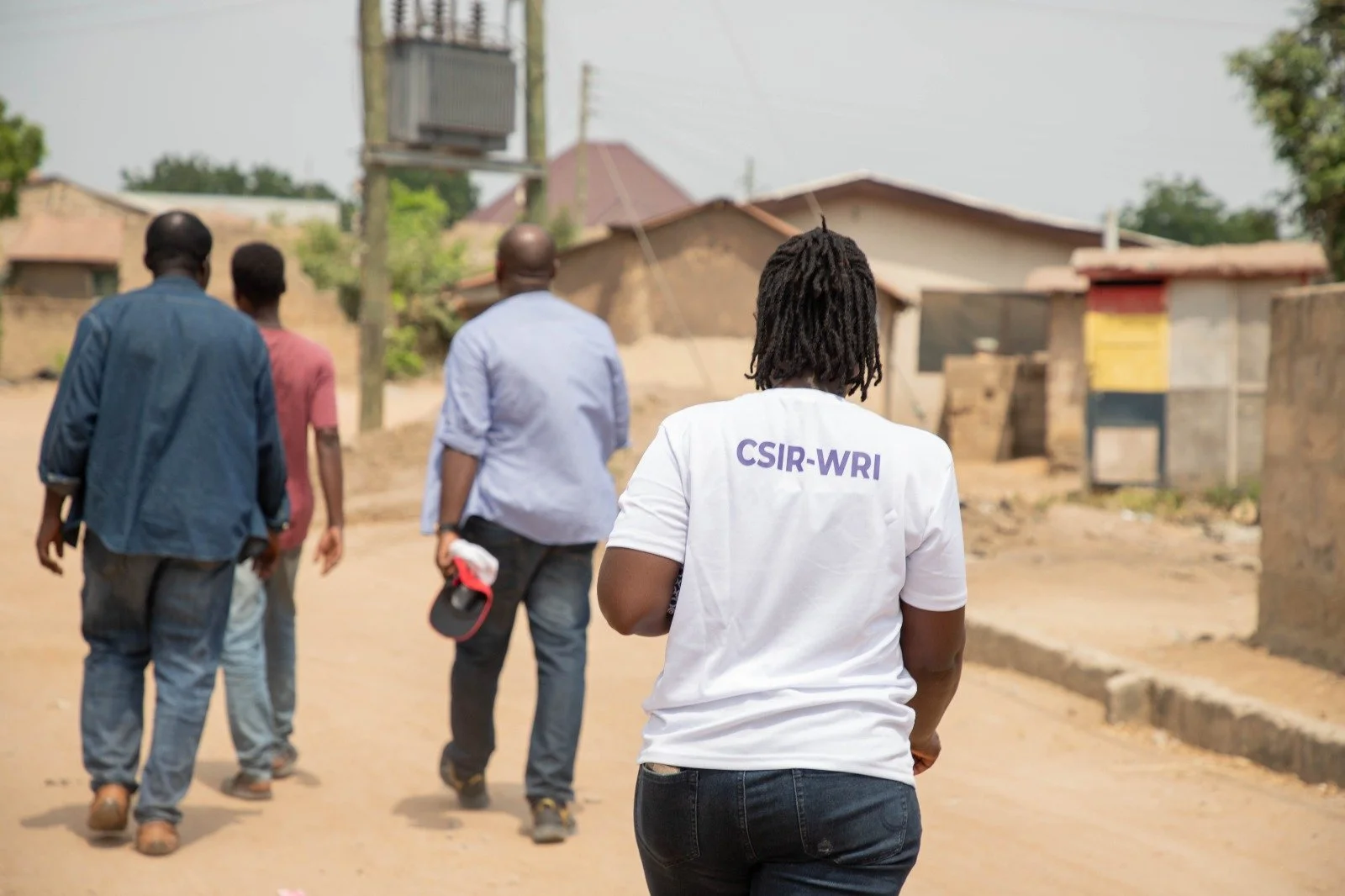
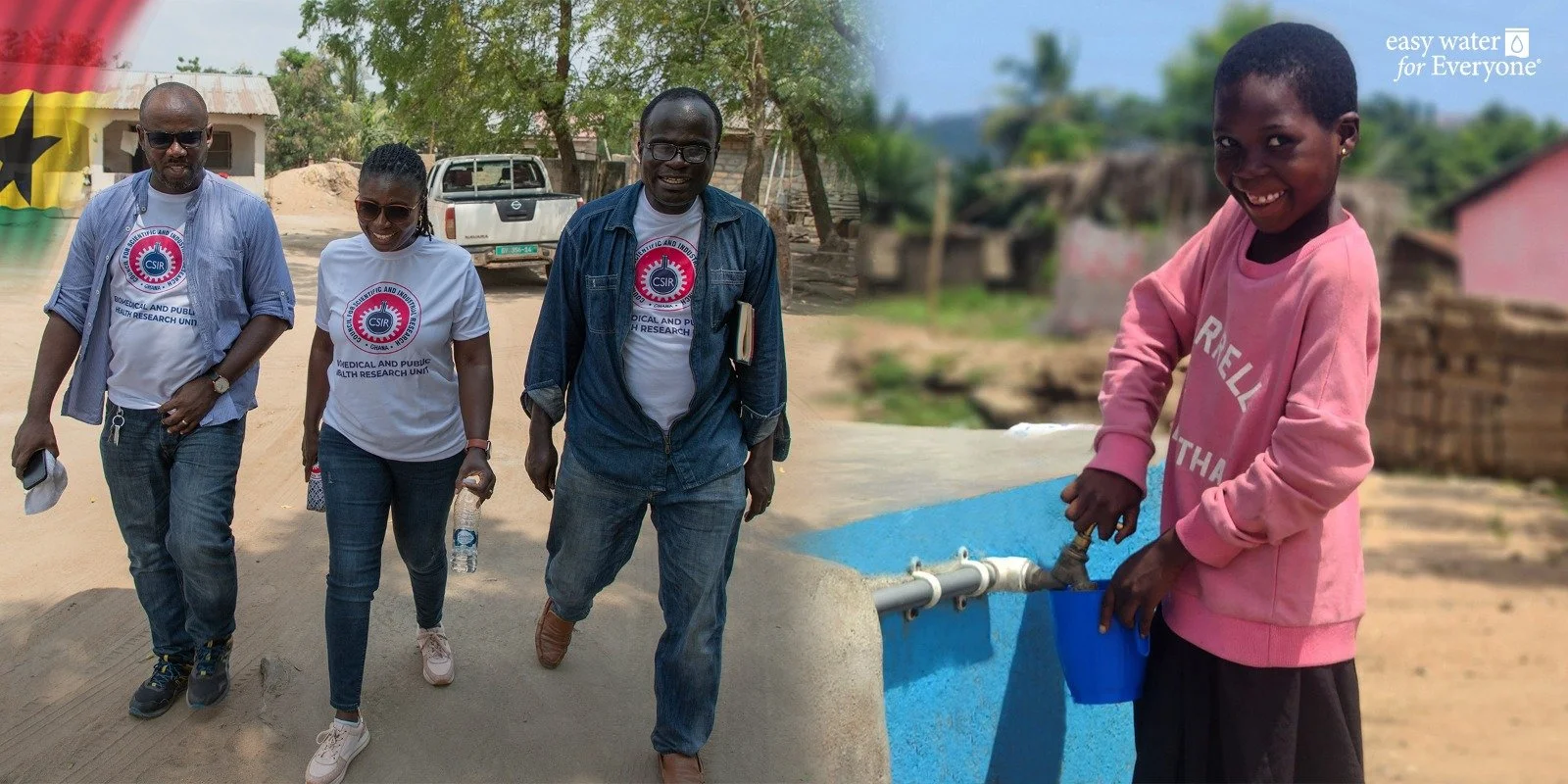
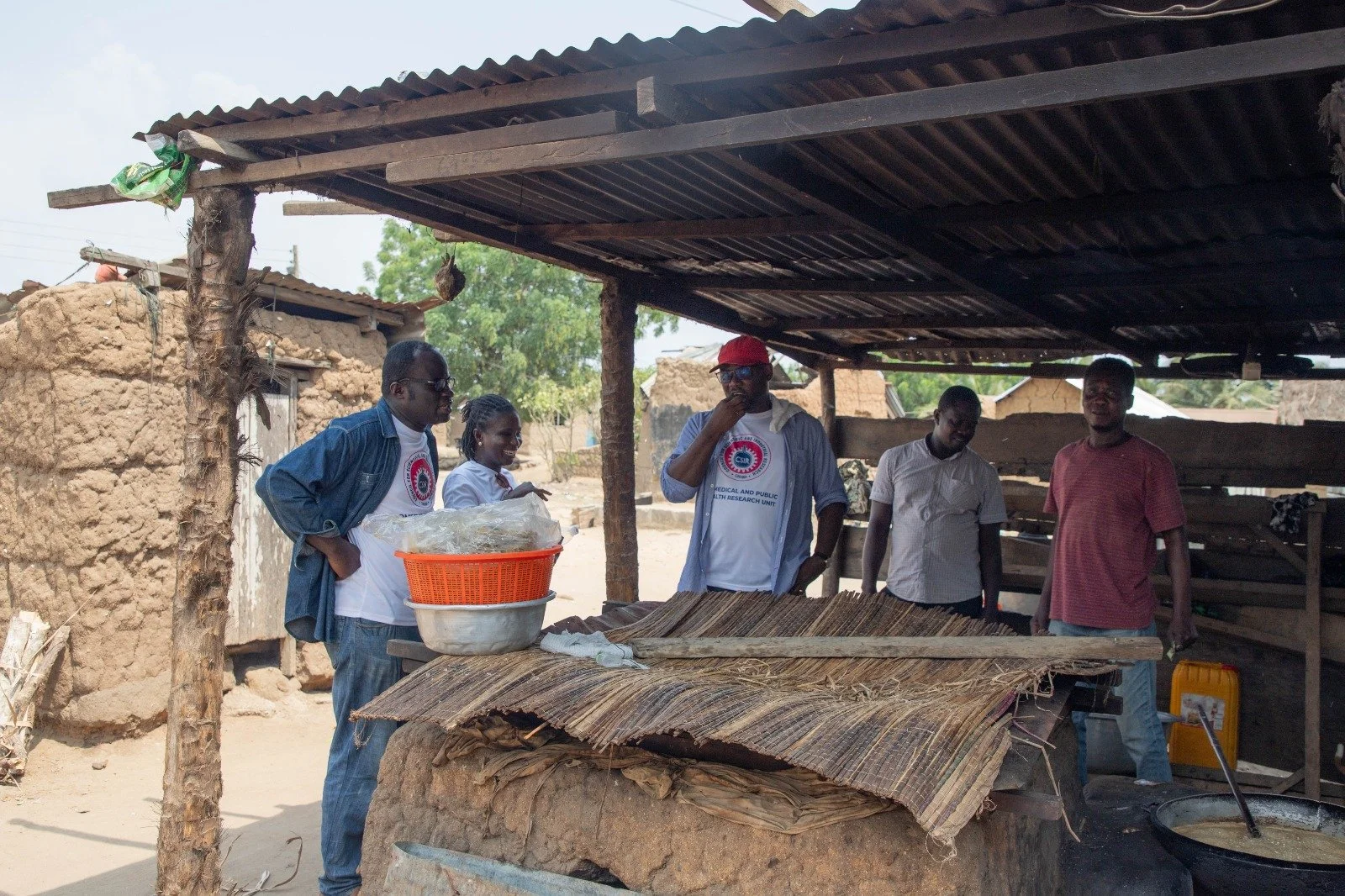
A key example is the ongoing research sample survey in Tomefa, being conducted in collaboration with the Council for Scientific and Industrial Research (CSIR), Ghana. This is a pre/post-intervention study designed to measure the impact of EWfE’s Gravity Water Station (GWS) on schistosomiasis and other water-related diseases after one year of installation.
This matters because we are not only interested in expanding access to clean water. We are also committed to understanding how that access affects health outcomes in real communities over time.
A comprehensive laboratory analysis and technical advisory report will help guide the future of our systems. In other words, the findings will not sit on a shelf. They will directly inform how we refine our systems, strengthen our treatment protocols, and improve service delivery in Ghana, Senegal, and Uganda.
This is part of what makes EWfE’s approach different.
Our partnership with CSIR ensures regular water quality testing because independent assessments are critical to maintaining the integrity of our intervention. These evaluations provide valuable data on key water quality indicators and help us respond to changing source conditions. They also help us strengthen and improve technical decision-making in a way that protects community health.
For donors, this means your support is helping fund more than infrastructure.
It is helping advance a model of WASH service delivery that values:
evidence-based decision-making
independent water quality testing
public health impact measurement
technical accountability with monthly reporting of the Device Log
sustainability by pay to fetch business model providing funds for coverage of all repair and maintenance
This approach is especially important in last-mile communities, where the consequences of unsafe water can be severe and immediate. When children, families, and vulnerable households depend on a local water system every day, quality cannot be taken for granted. It must be verified.
That is why research is not separate from our mission. It is central to it.
By combining community-based implementation with laboratory testing, third-party assessments, and health-outcomes research, EWfE is building a stronger, more accountable clean-water model for underserved communities. We are working not only to provide access, but to ensure that the water remains safe, the systems remain responsive, and the long-term health benefits are clearly understood.
At EWfE, we believe that science, data, and field experience must work together. This is how we protect the integrity of our intervention. This is how we strengthen resilience in vulnerable communities. And this is how we continue delivering clean water solutions that are trusted, tested, and built for impact.
Your support helps make this possible.
When you invest in EWfE, you are supporting clean water systems backed by research, informed by evidence, and designed to improve health outcomes where the need is greatest.
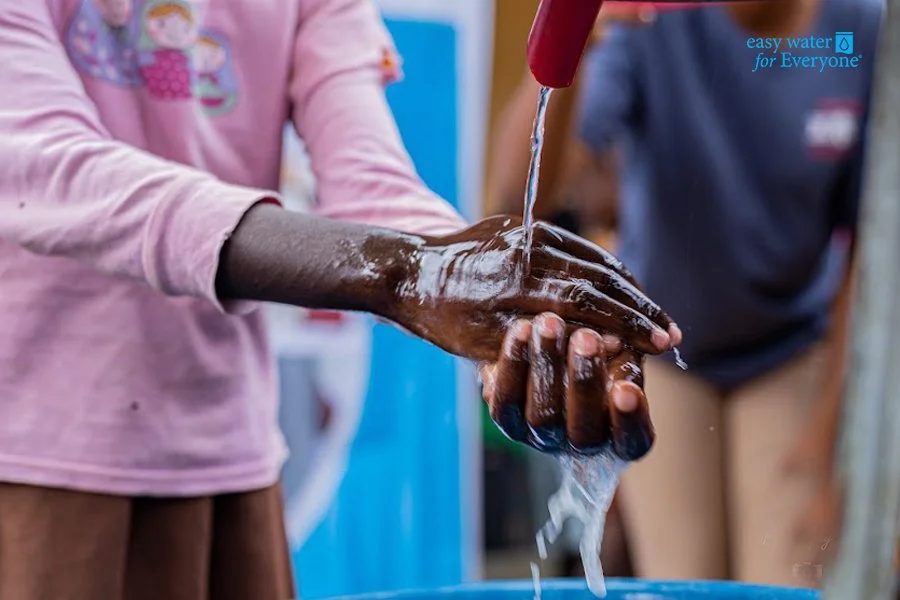
Celebrating World Hand Hygiene Day 2026: Action Saves Lives
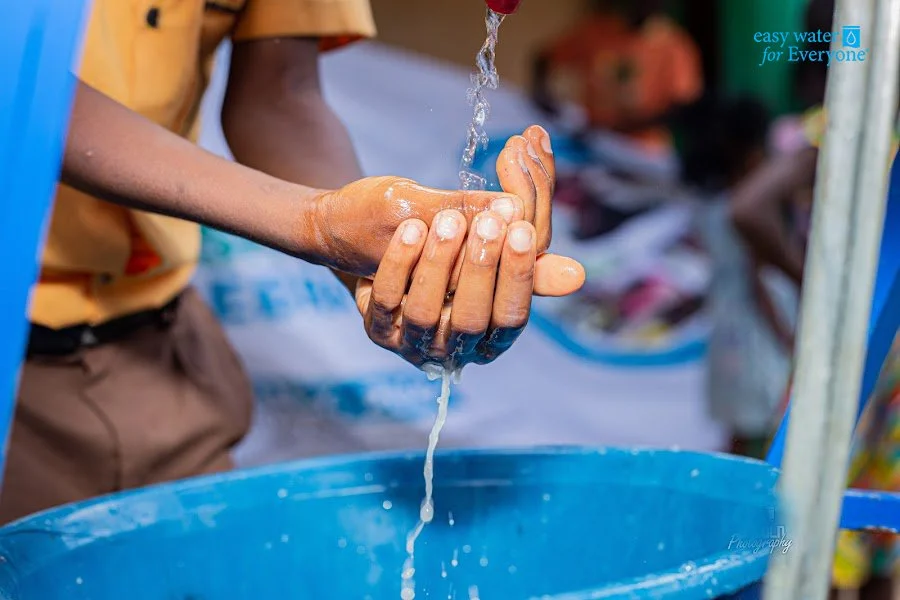
Every year on May 5, the world marks World Hand Hygiene Day, led by the World Health Organization (WHO). The 2026 theme, “Action saves lives,” is a strong reminder that proper hand hygiene is one of the simplest and most cost-effective ways to prevent infections, strengthen infection prevention and control, and protect health outcomes. WHO says a substantial share of avoidable infections acquired during health care delivery could be prevented if hand hygiene and infection prevention actions are taken at the right times.
For children, this message matters far beyond hospitals and clinics.
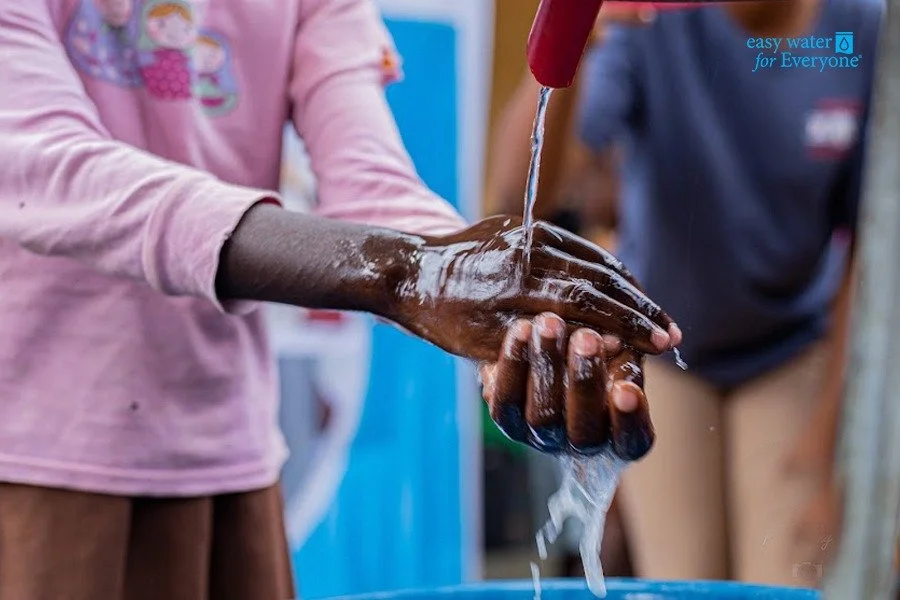
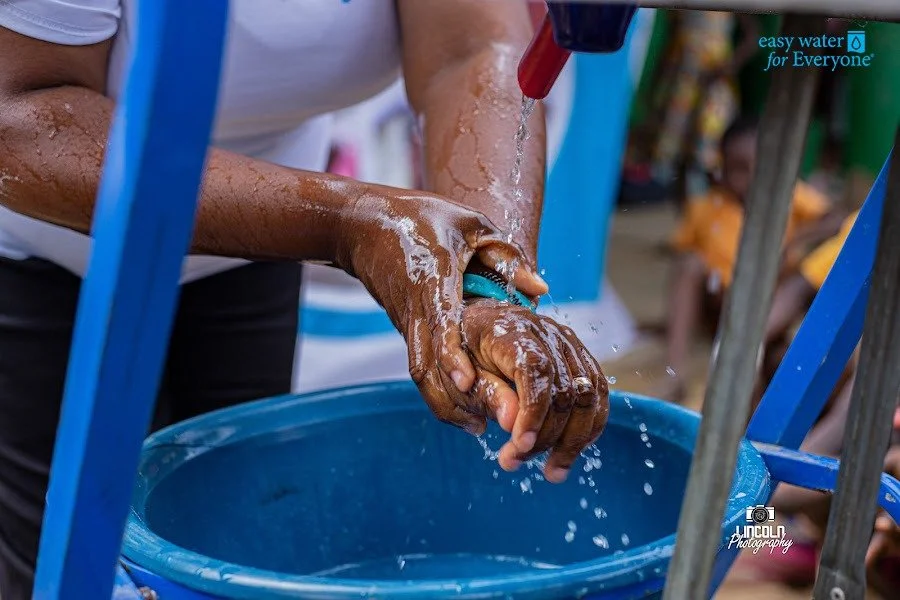
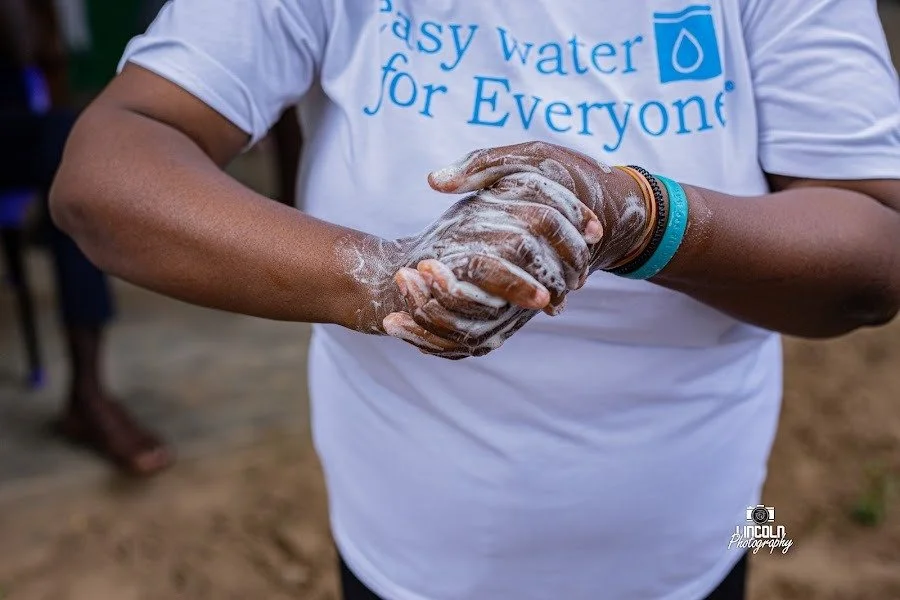
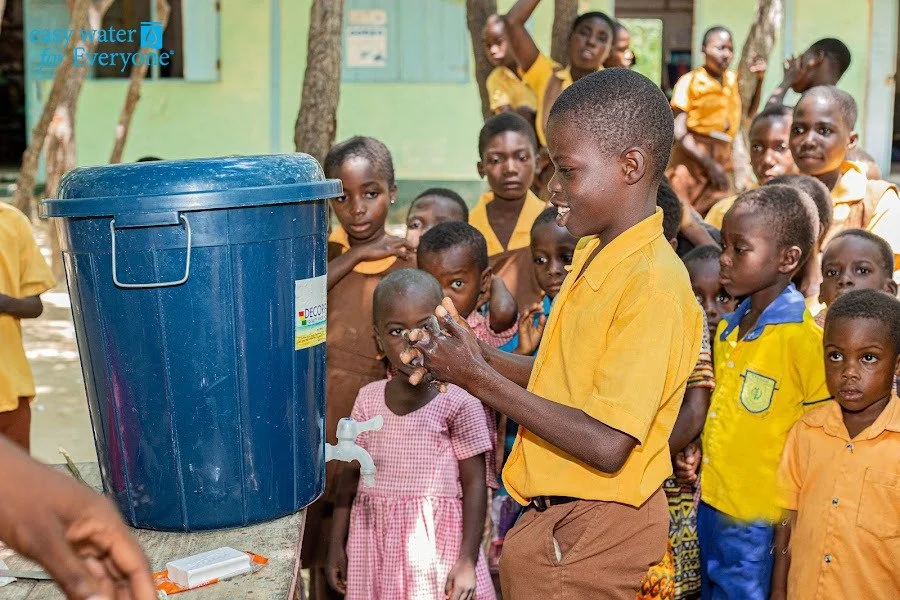
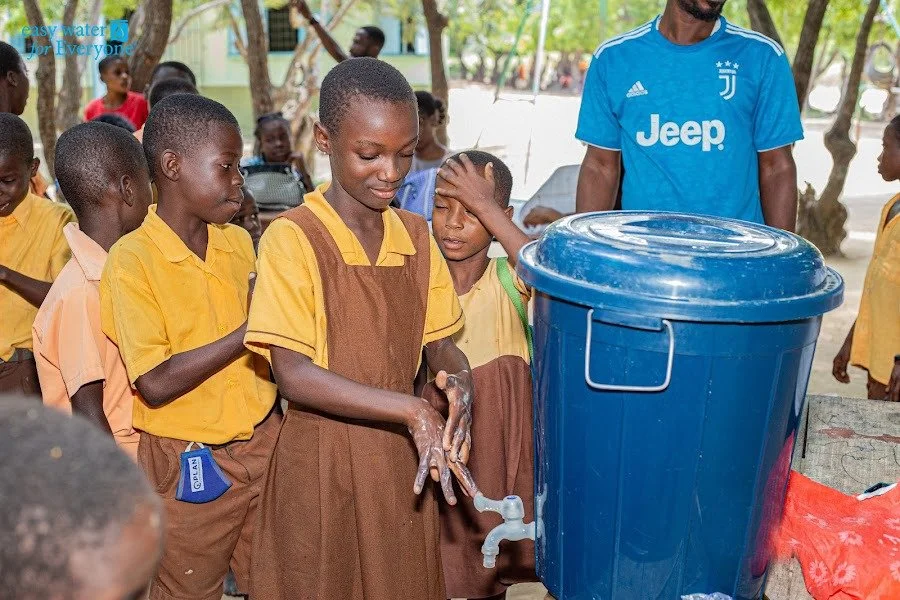
Clean hands save lives, but clean hands depend on clean water. In many underserved communities in Africa, children cannot consistently practice safe handwashing because access to reliable clean water is limited. That gap increases their exposure to germs that cause diarrhea, infections, and other preventable illnesses that affect their health, learning, and overall well-being.
This is where Easy Water for Everyone is making a difference.
Over the years, EWfE has provided clean water to schools such as Nyameani Basic School and Asisiriwa Methodist School in Ghana, Babies Elementary and Junior High School in Uganda, and Sinthian School and Koar School in Senegal. These interventions help ensure that children have regular access to clean water for hand hygiene, creating healthier school environments and reducing the risk of infection.
By bringing safe, reliable water closer to schools in last-mile communities, EWfE is not only improving access to drinking water. We are also making proper hygiene possible for children, families, schools, and health facilities. Clean water in schools supports handwashing at the right moments, reduces the spread of harmful germs, and helps create healthier environments where children can grow, learn, and thrive.
At EWfE, we believe that hand hygiene is not just a health message. It is a dignity issue, a child health issue, and a WASH priority. When children have access to clean water, they are better protected from preventable diseases and given a stronger chance at a healthier future.
This World Hand Hygiene Day, as the world says “Action saves lives,” we reaffirm a truth we see in the communities we serve: clean water makes lifesaving hygiene possible.
Join us in bringing clean water closer to children and communities because healthier hands begin with safe water.
World Health Day 2026: Dr. Nathan W. Levin on Why Clean Water Remains Critical to Global Health
On World Health Day 2026, the global theme, “Together for health. Stand with science,” reminds us that scientific evidence, innovation, and trust are essential to solving today’s biggest health challenges.
At Easy Water for Everyone, this message speaks directly to our mission.
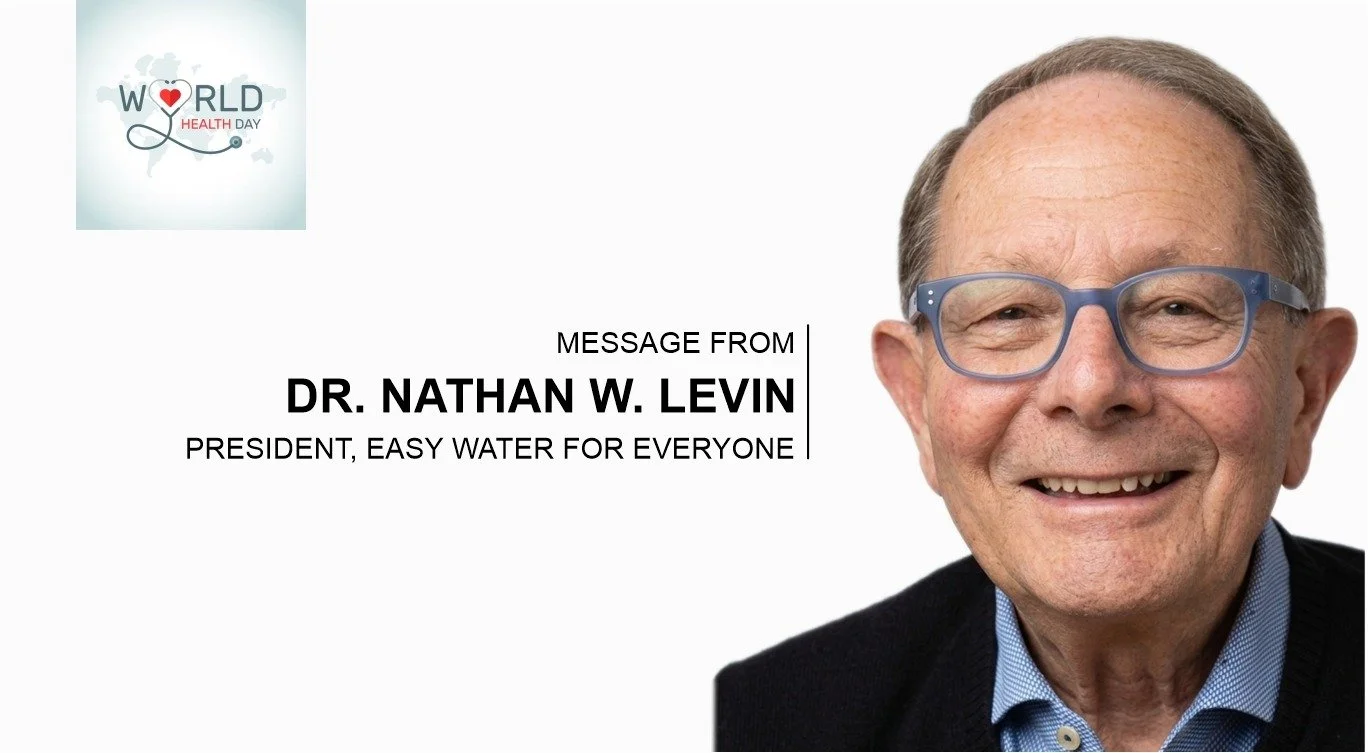
In a special World Health Day video message, EWfE President Dr. Nathan W. Levin reflects on one of the most significant contributors to global health challenges today: water. In many last-mile communities, unsafe water continues to fuel preventable illness and place vulnerable families at risk.
That is why science is central to our work.
EWfE’s unique clean water technology is grounded in research and strengthened by a solid research team and medical scientists who help ensure the integrity of our device and the safety of the water it produces. Our commitment is not only to provide clean water, but to do so through a credible, tested, and trusted solution.
This is why this year’s World Health Day theme matters so much to us. Science is not optional in the fight for better health. It is essential.
As we mark this important day, we invite you to hear directly from Dr. Levin and reflect on why water remains one of the most urgent global health issues of our time.
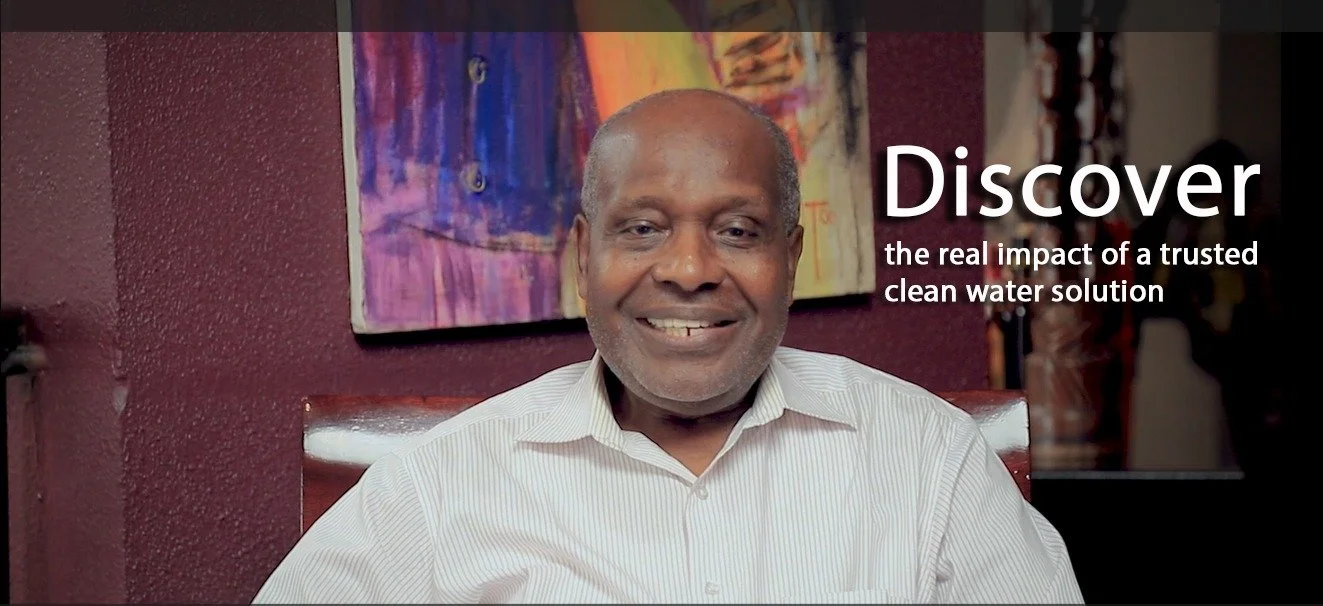
Discover The Real Impact of a Trusted Clean Water Solution.
In this video, EWfE Vice President Seth Johnson highlights what makes our purification device truly unique and why it is transforming lives in underserved communities in Africa.
Unlike many water solutions, our device is not only laboratory-validated but also specifically designed for the realities of last-mile communities. It is a robust, durable, and practical solution that delivers safe water where it is needed most.
At EWfE, we do not just provide access to water. We provide a unique, tested, and trusted technology that stands out for its ability to bring reliable, clean water to some of the hardest-to-reach places.
Clean water must be more than a promise. It must be proven.
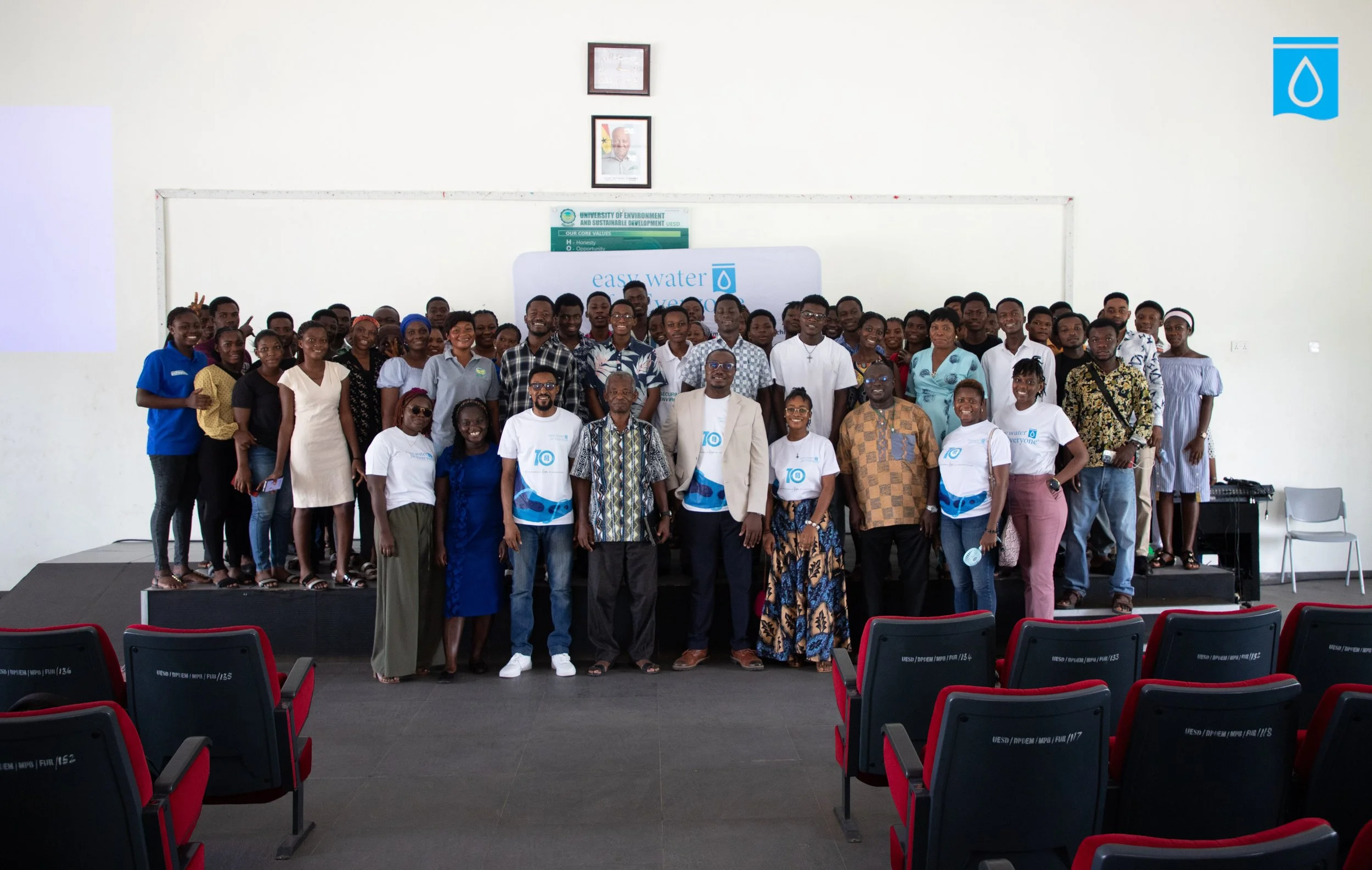
EWfE Partners with the University of Environment and Sustainable Development to Mark World Water Day
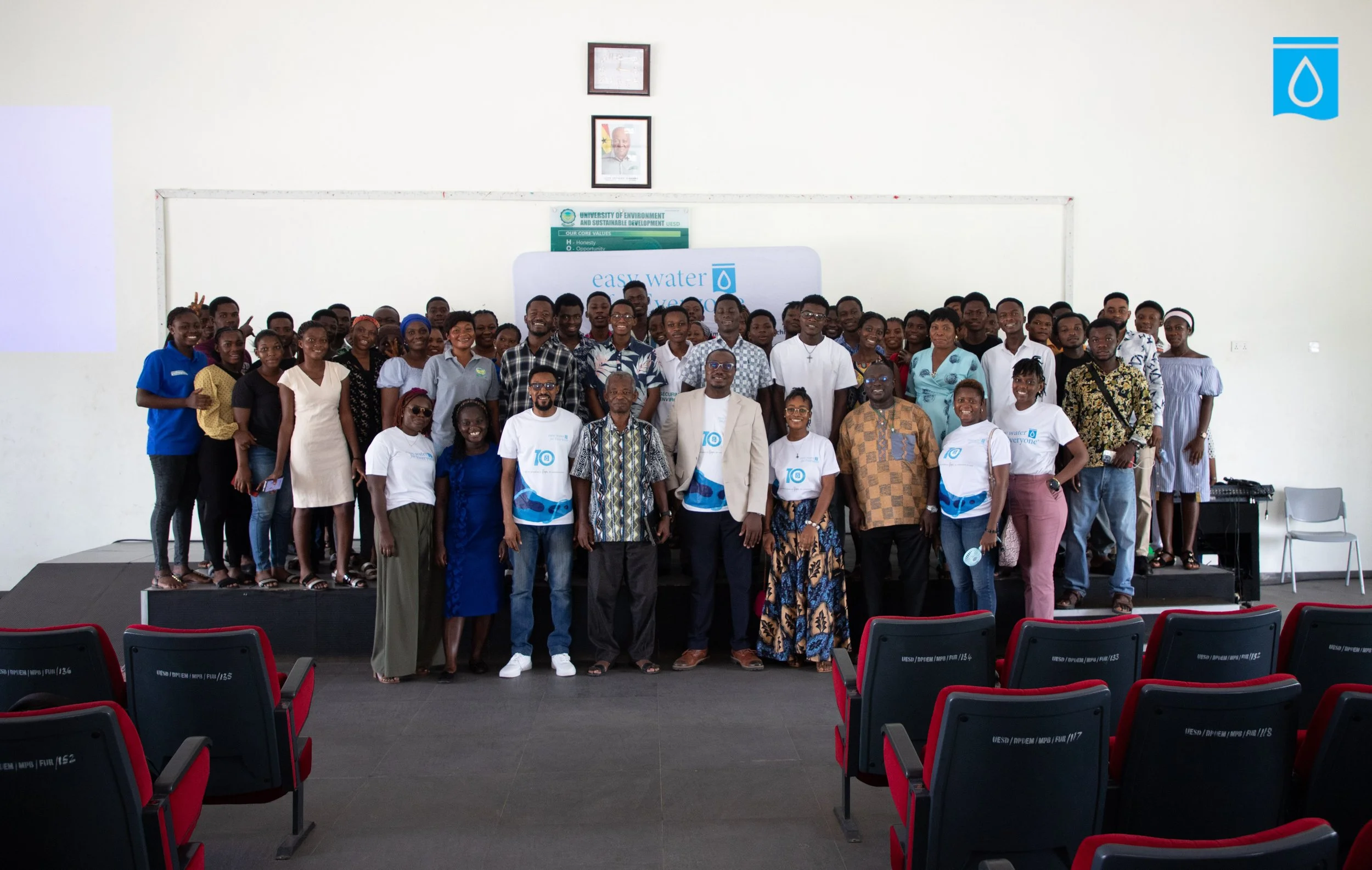
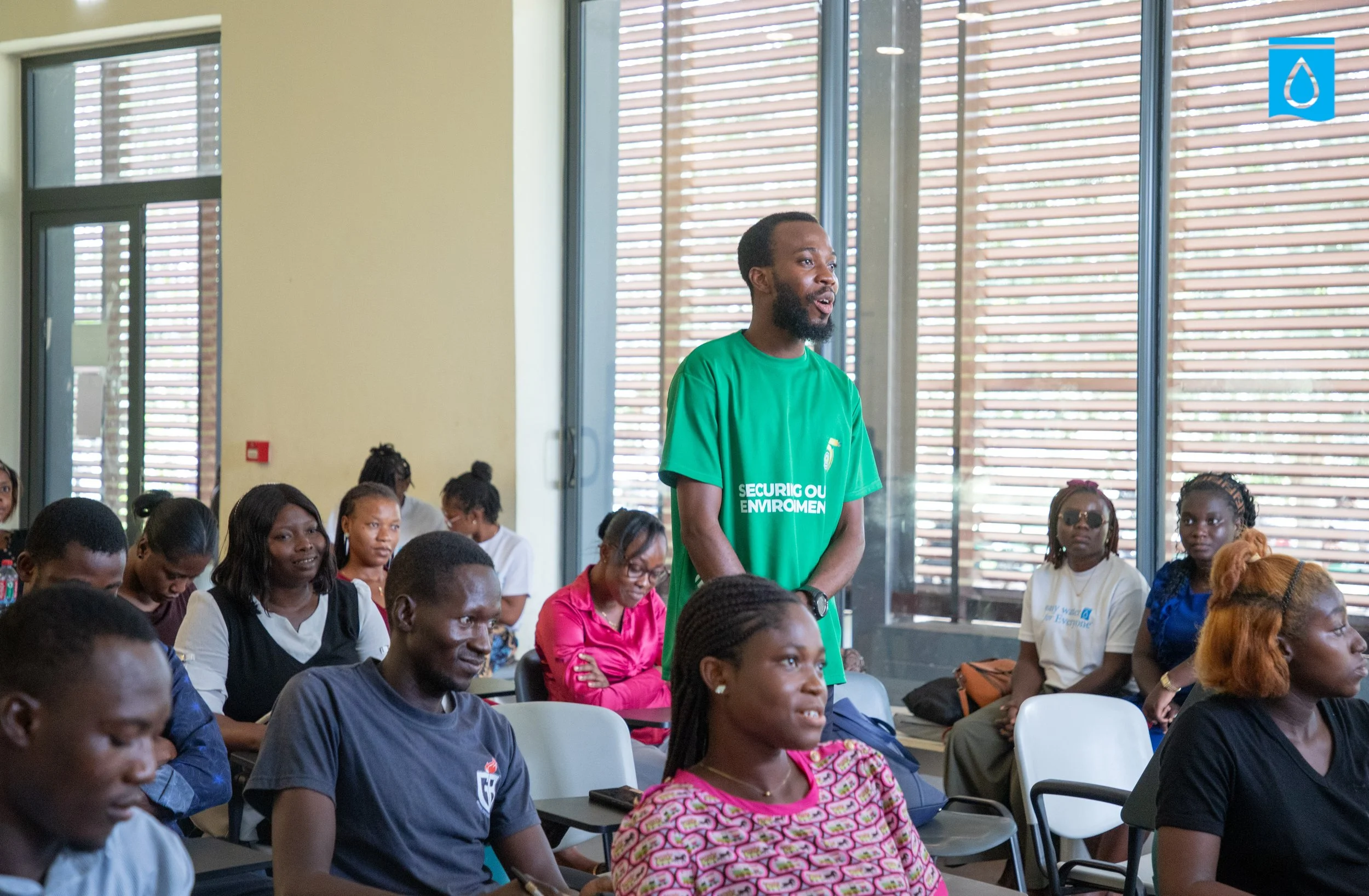
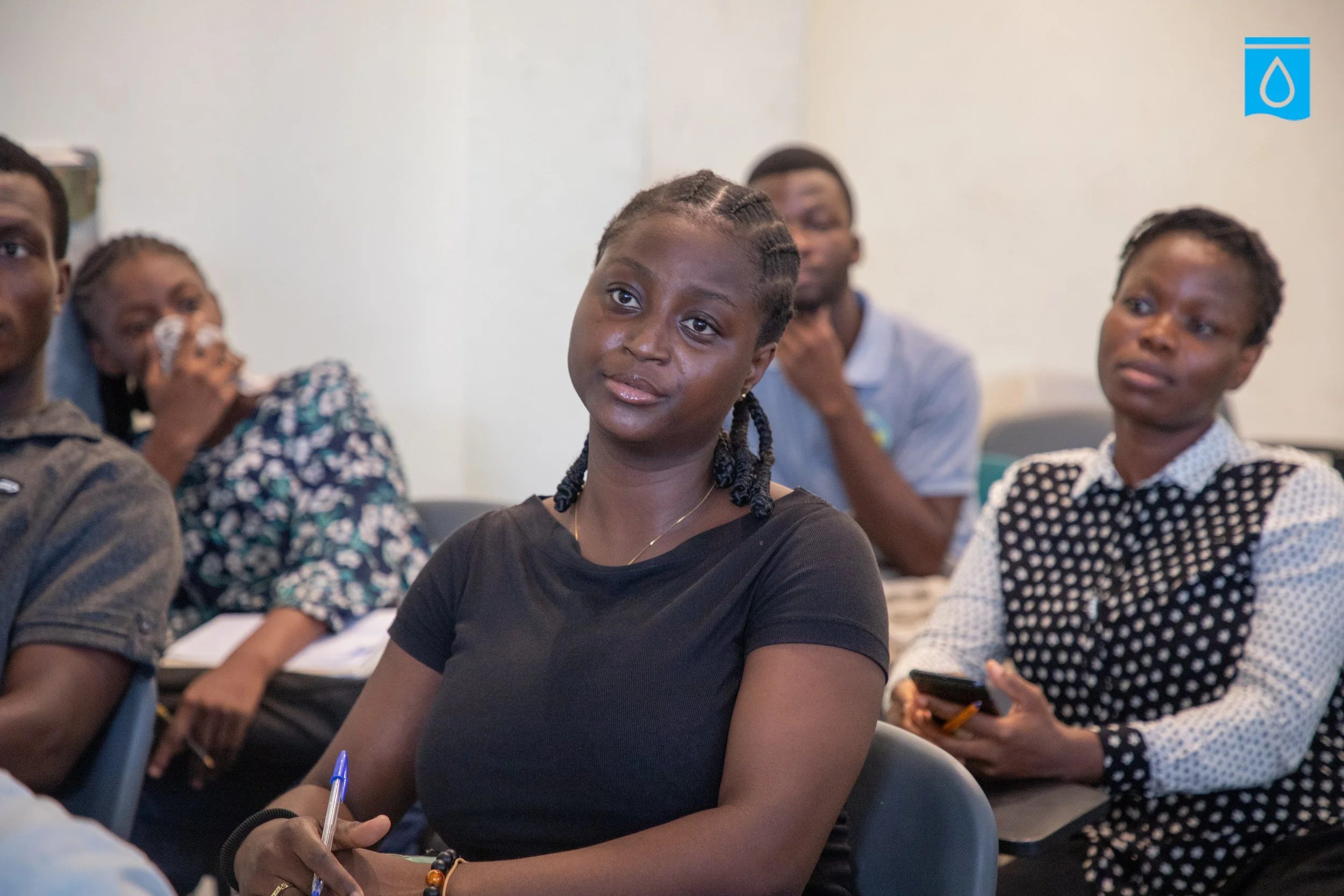
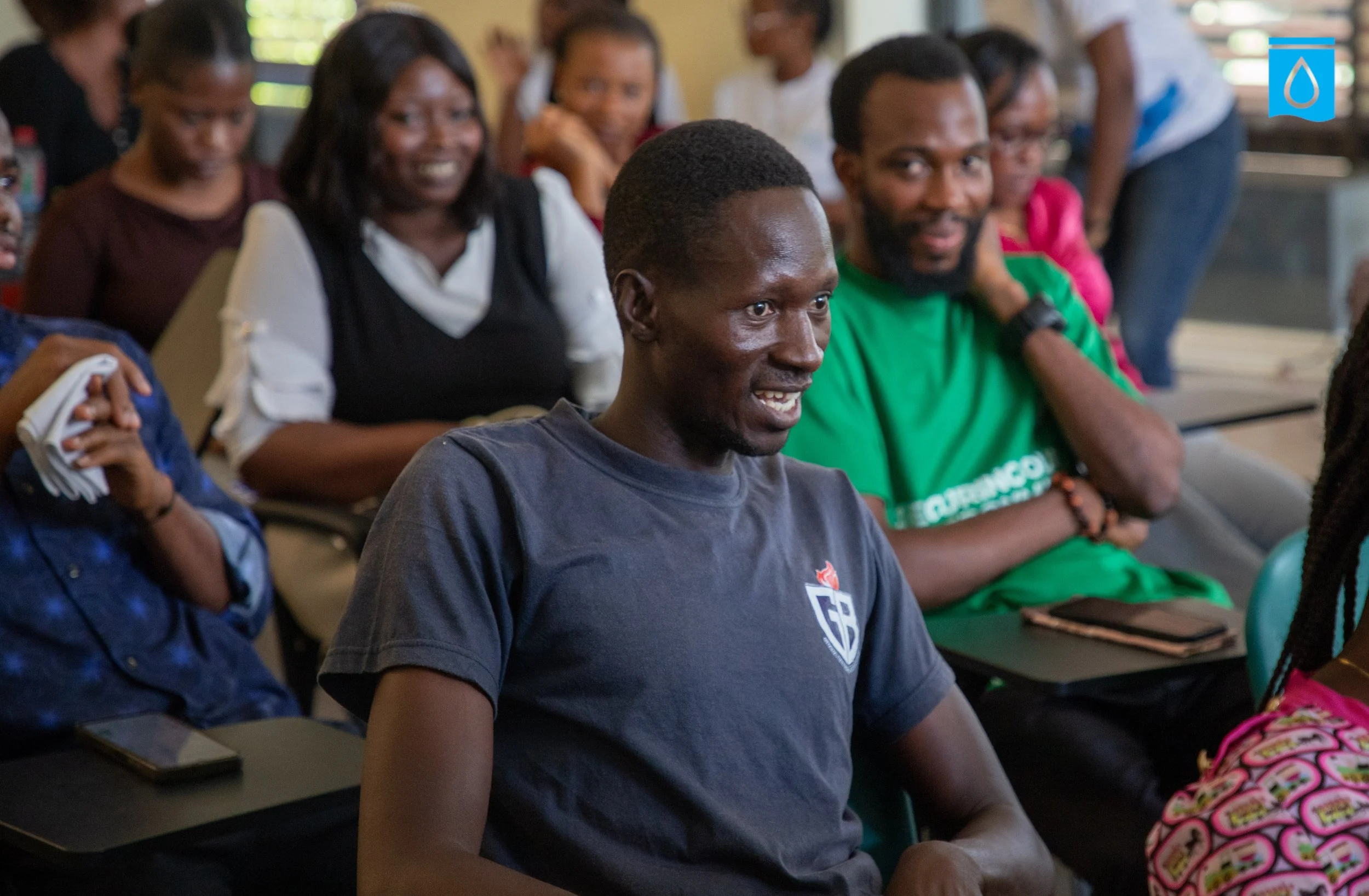
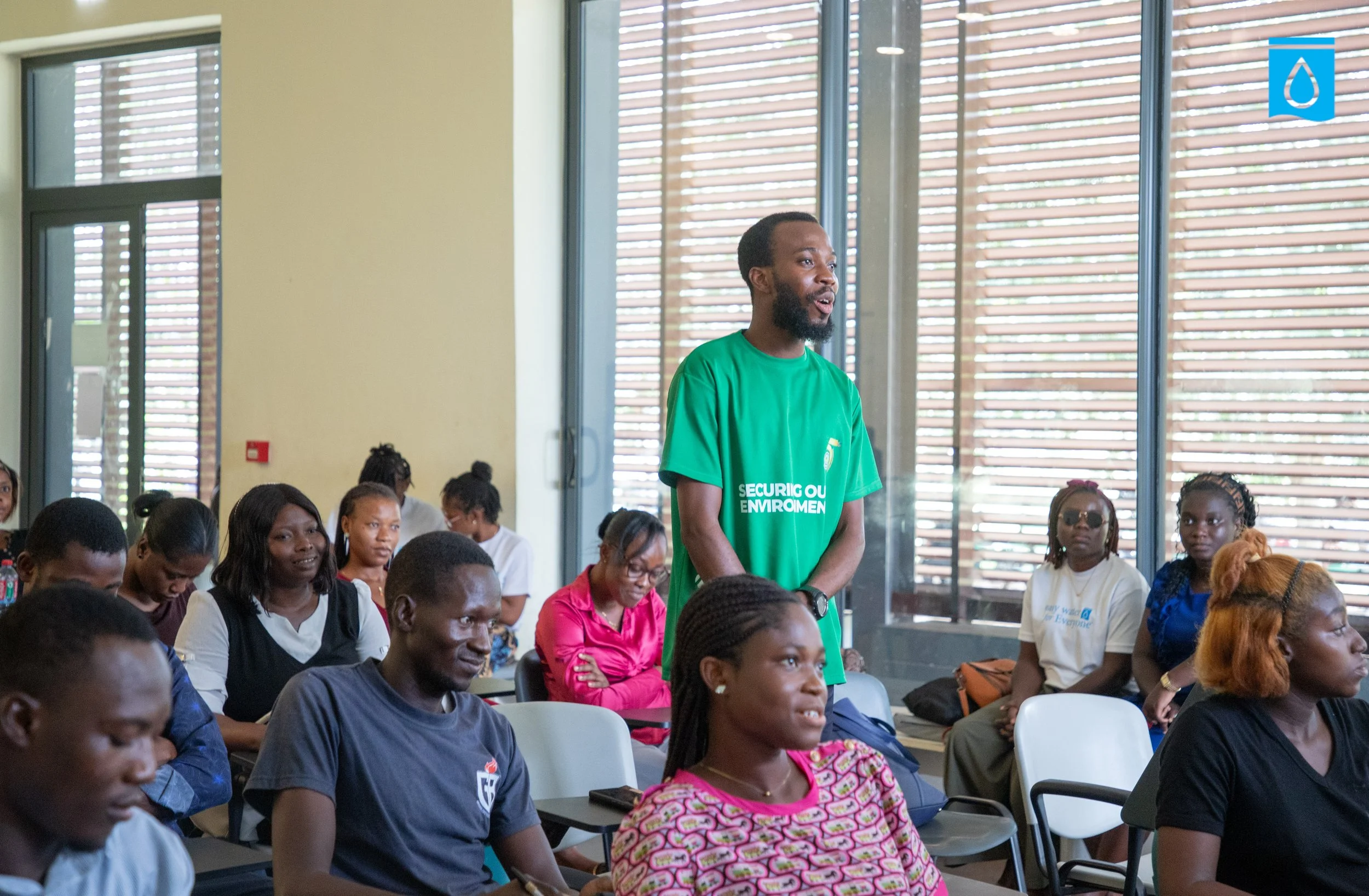
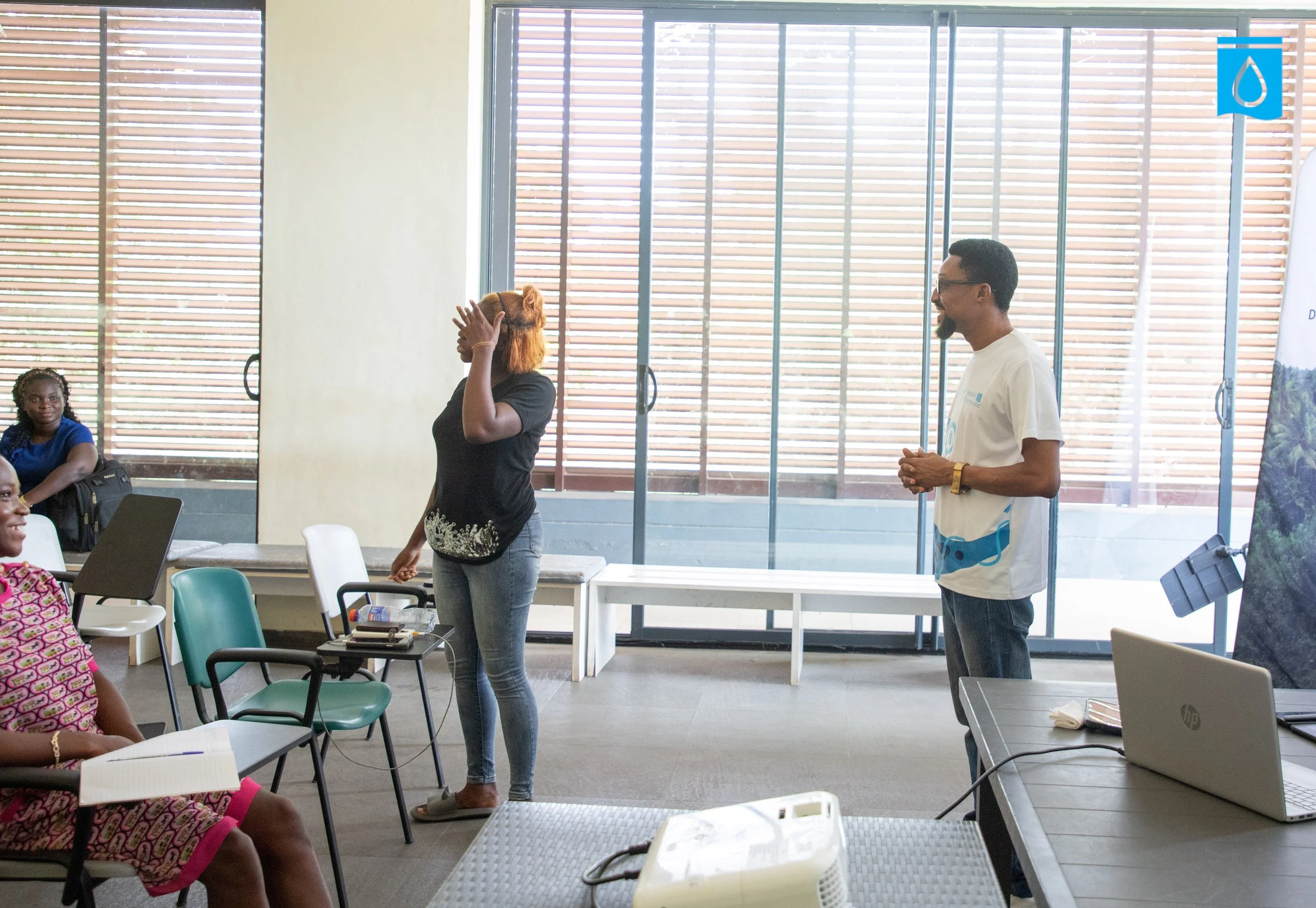
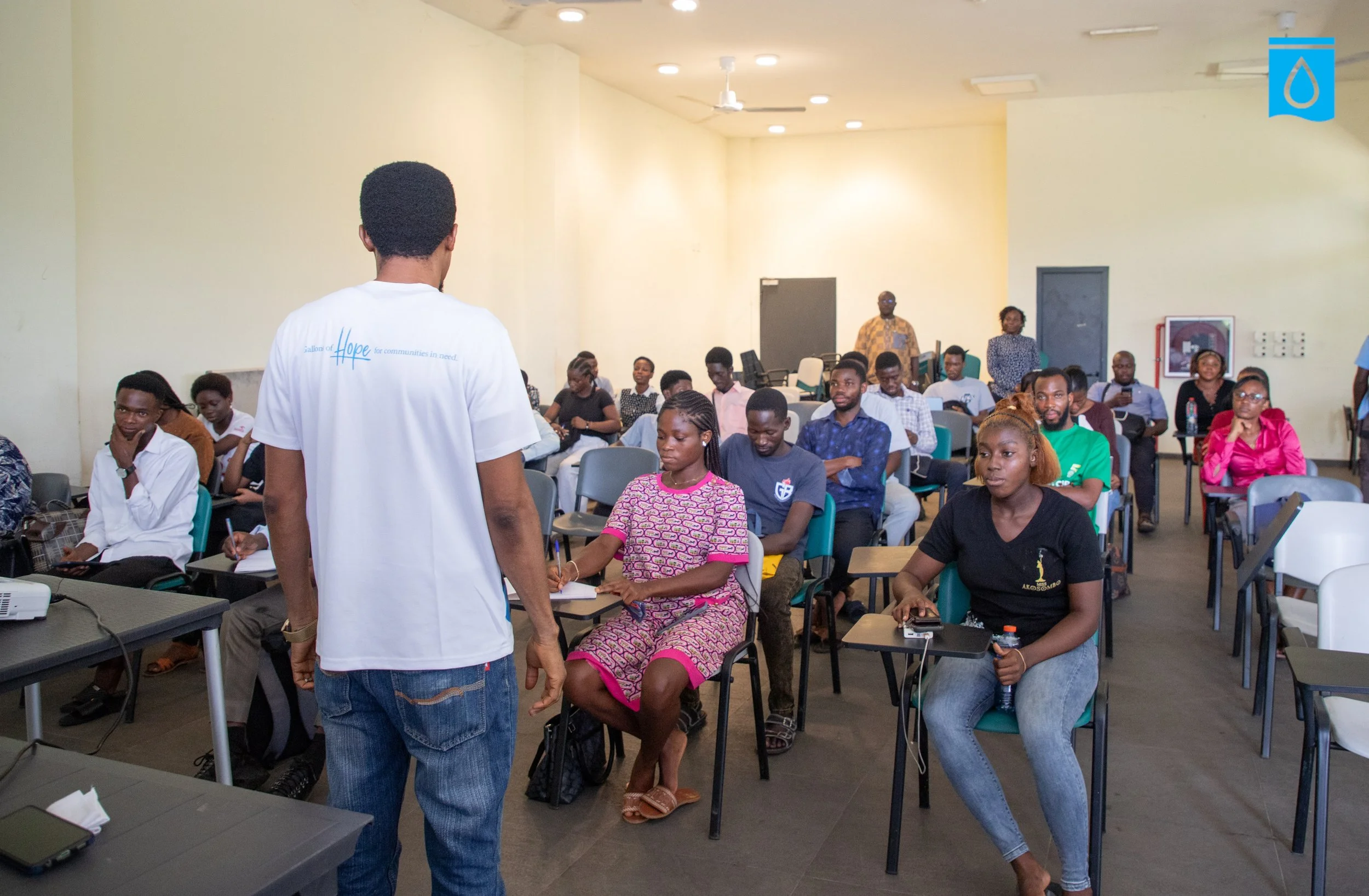
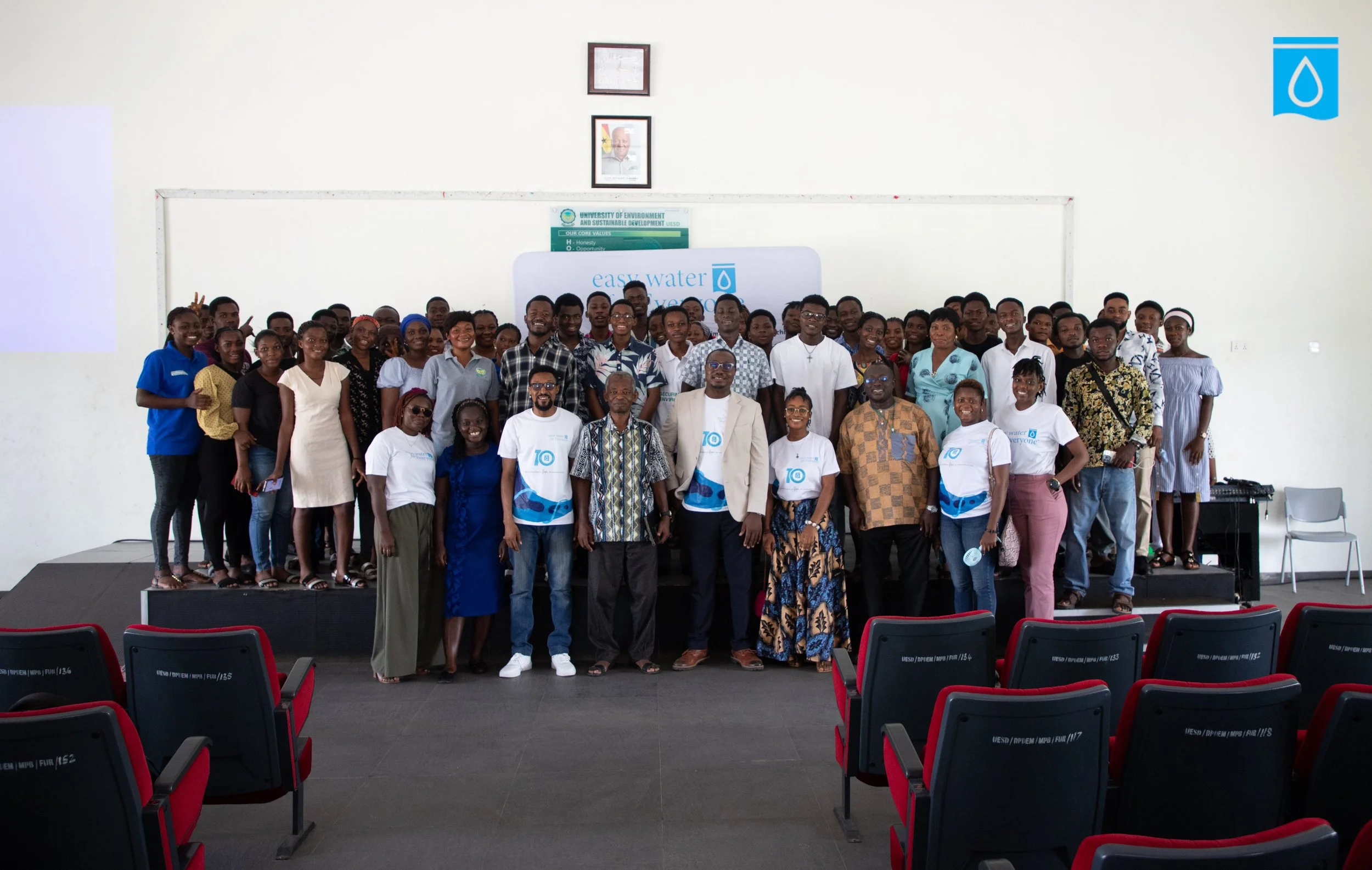
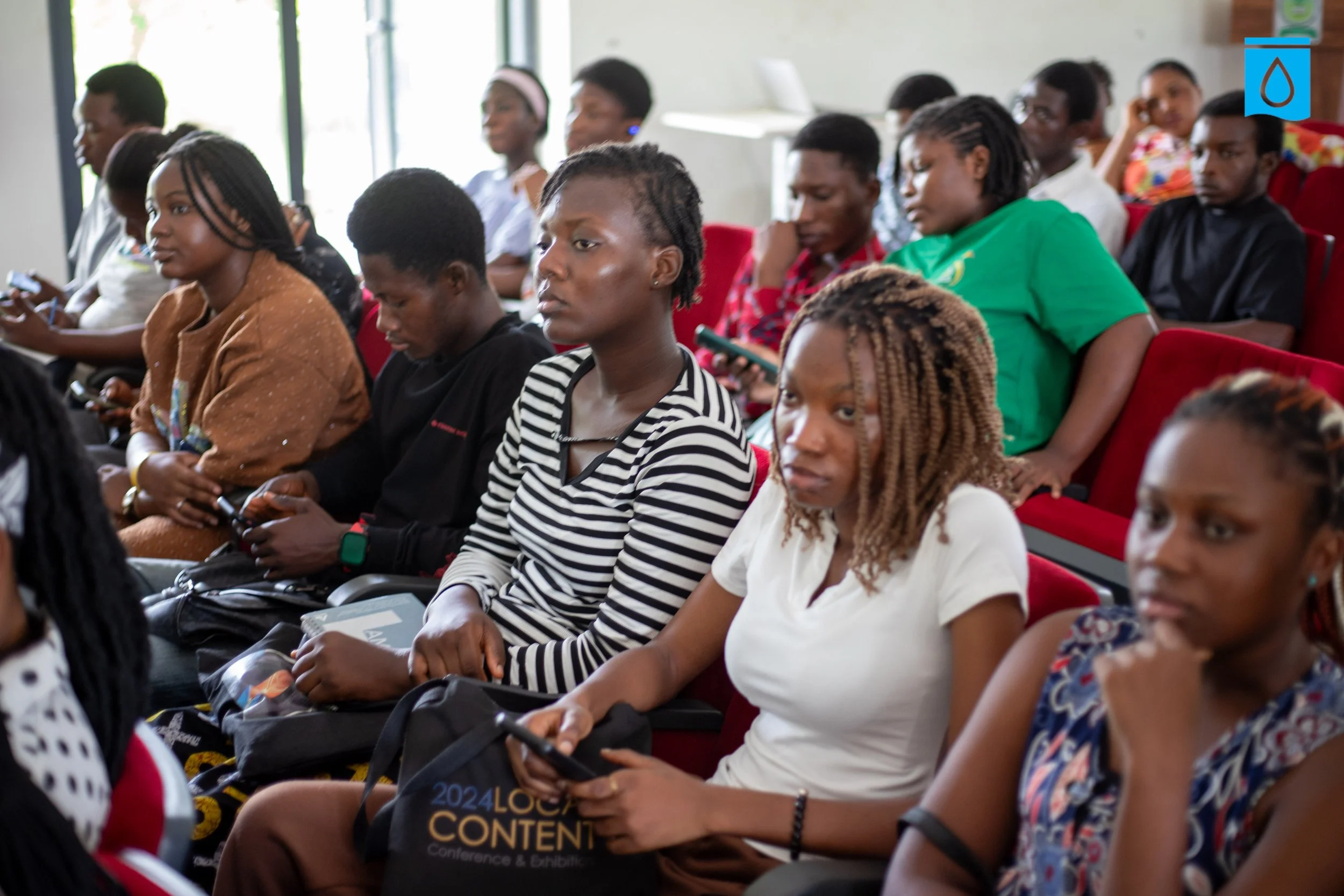
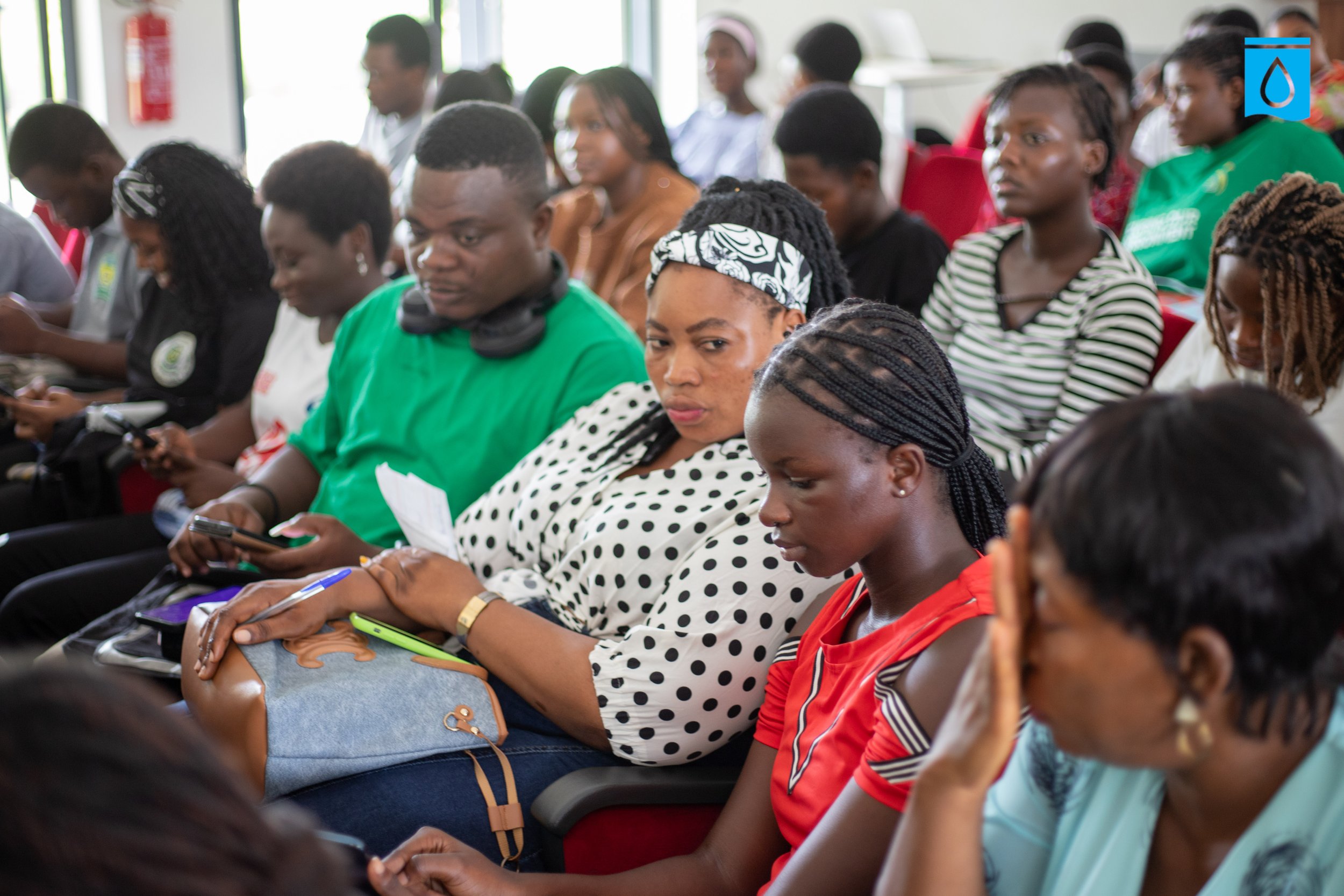
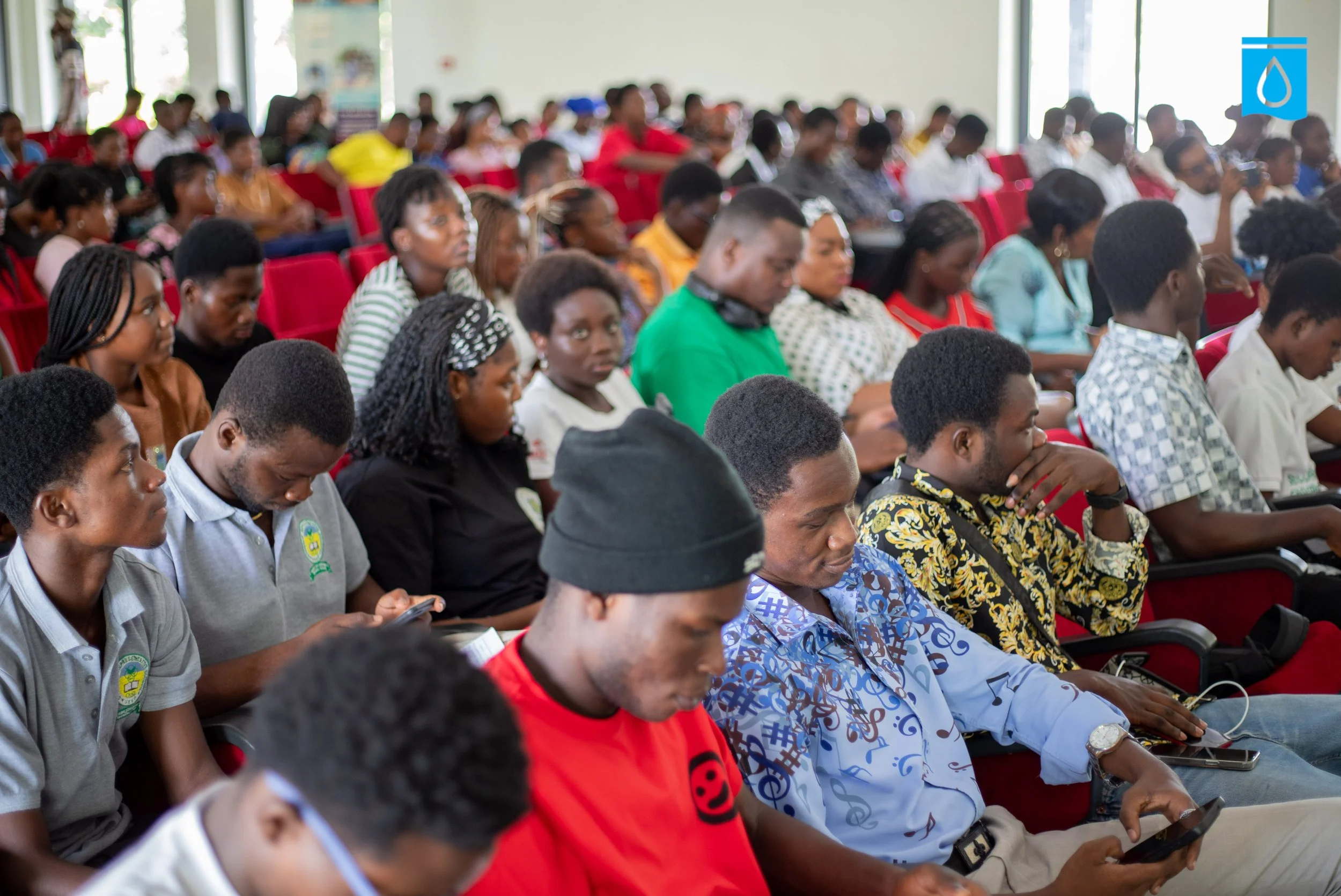
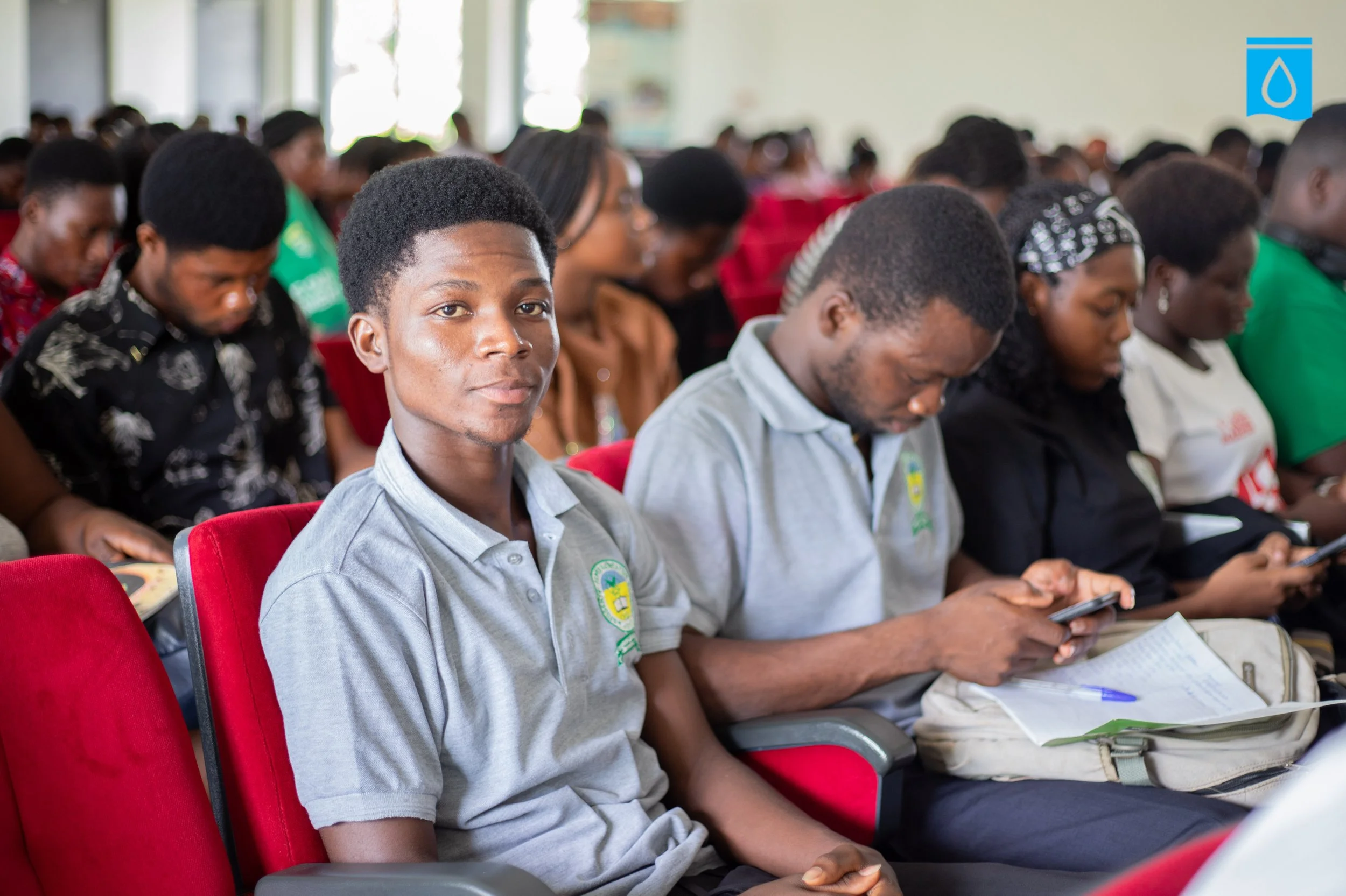
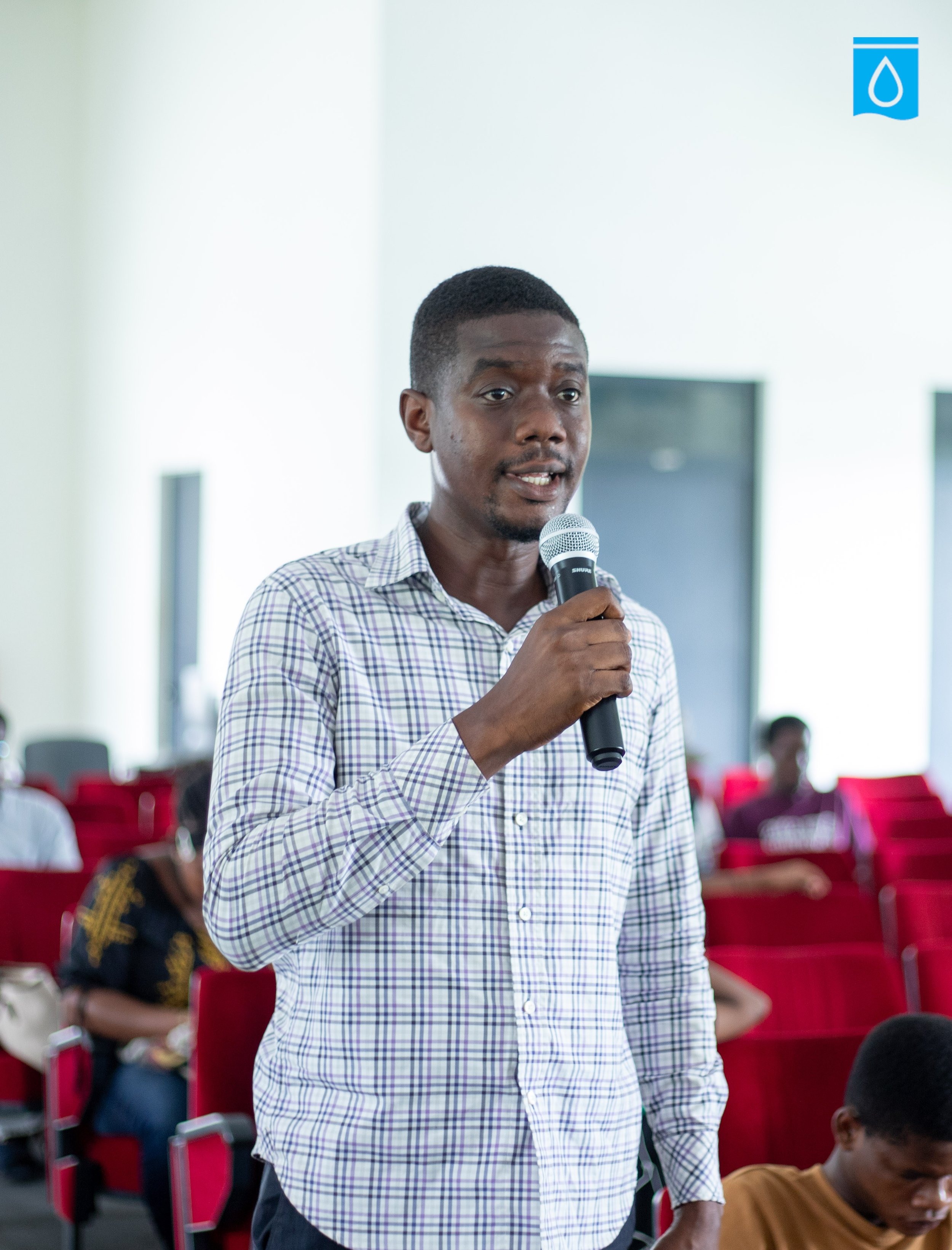
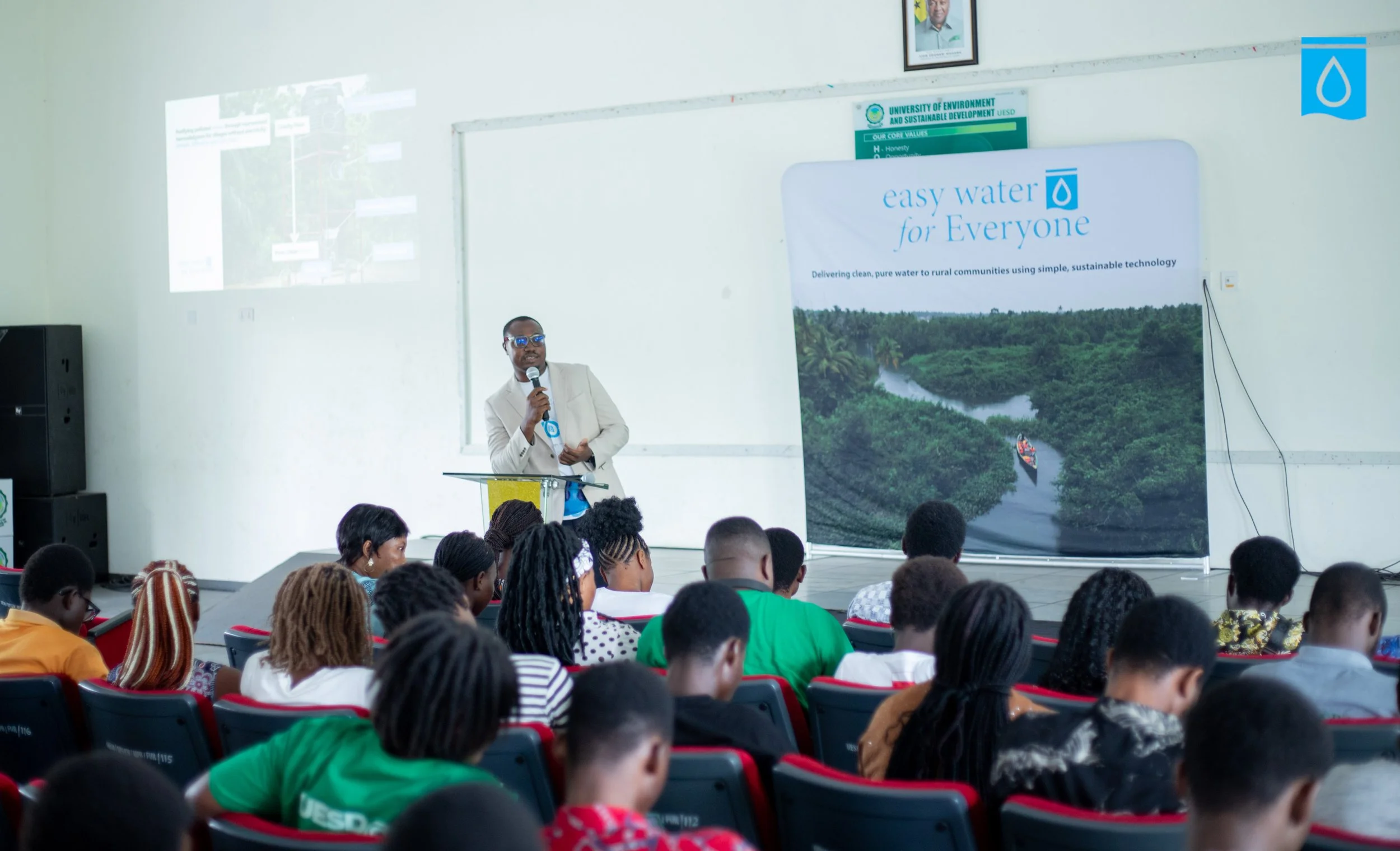
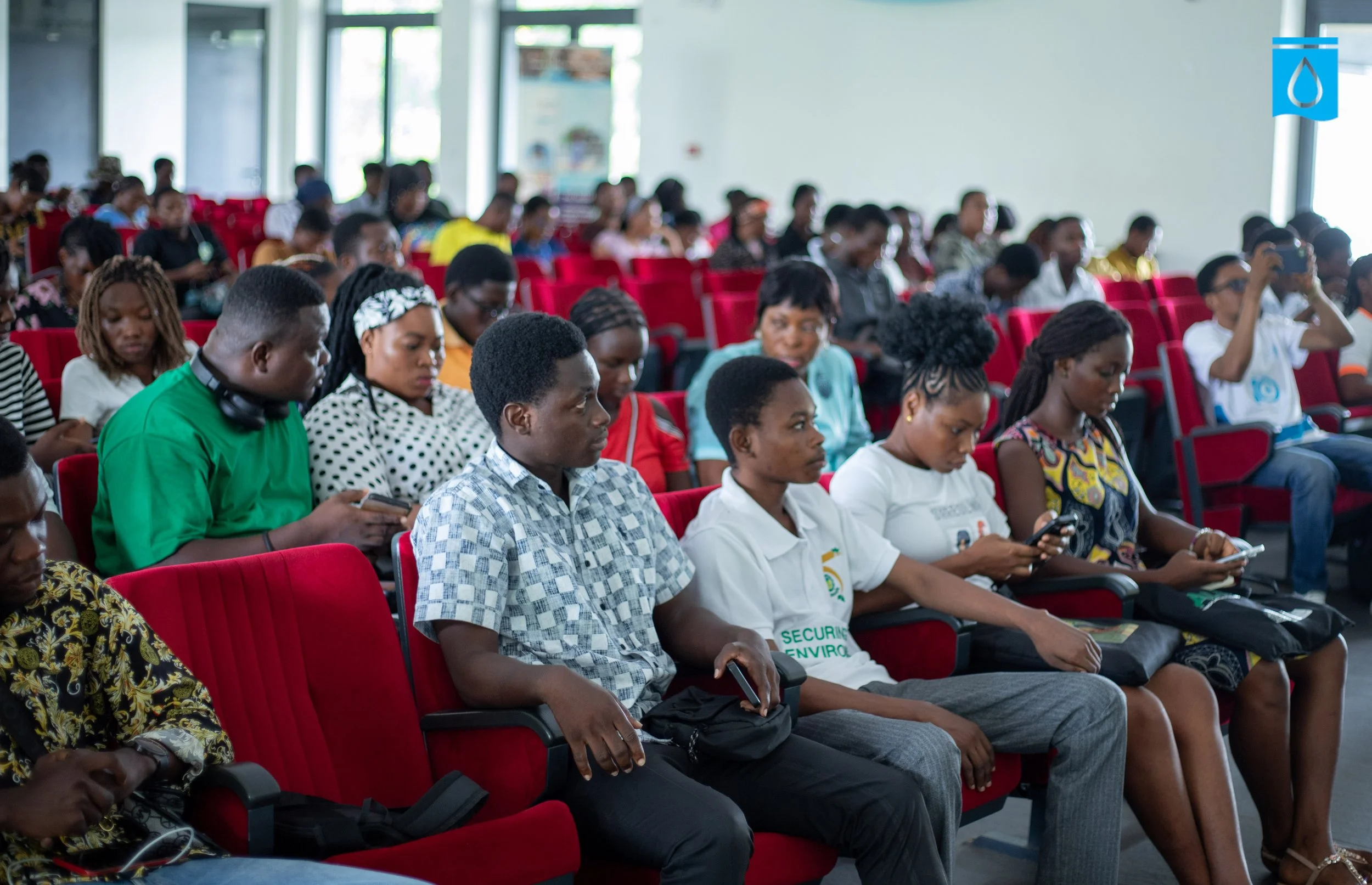
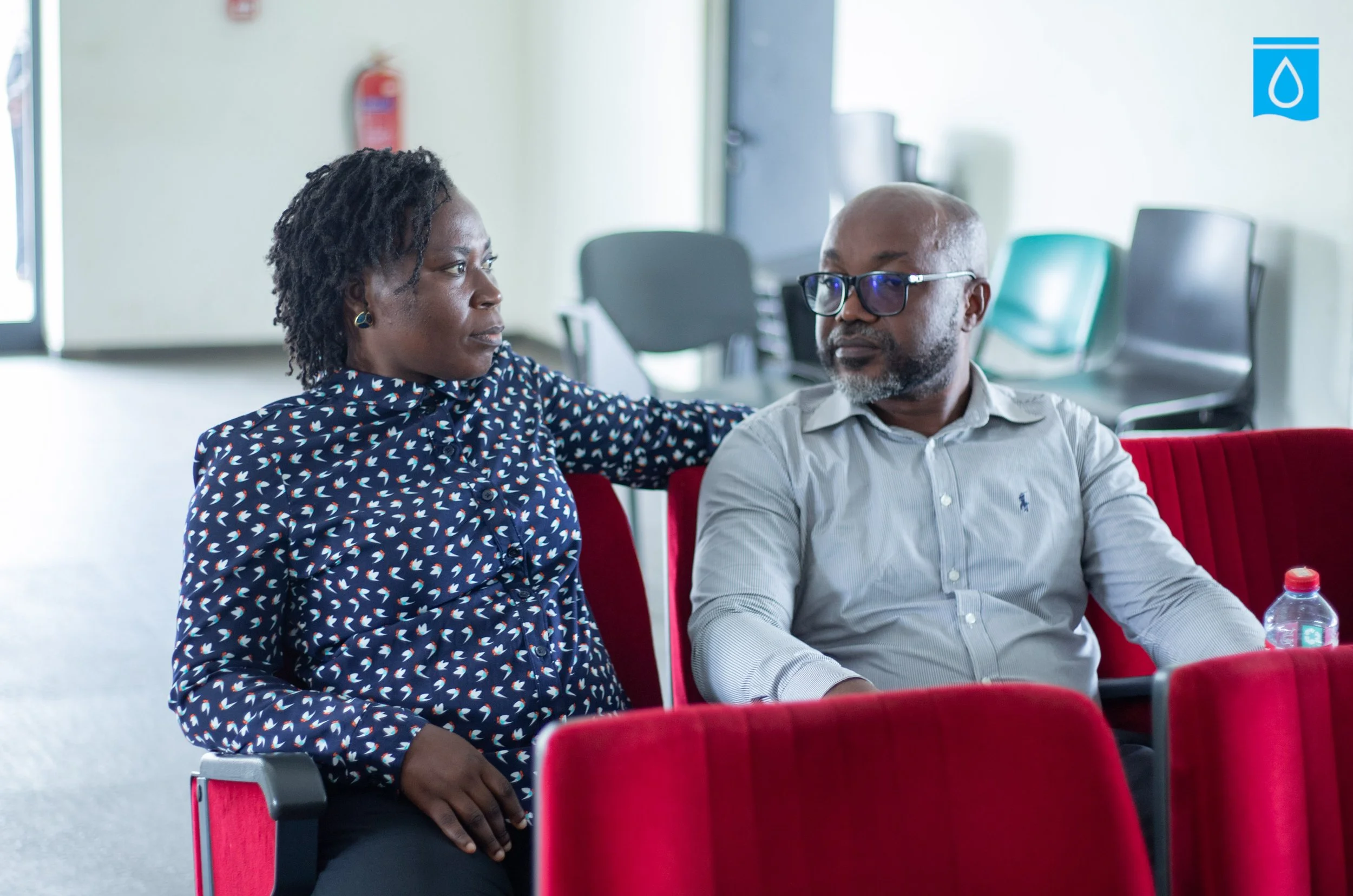
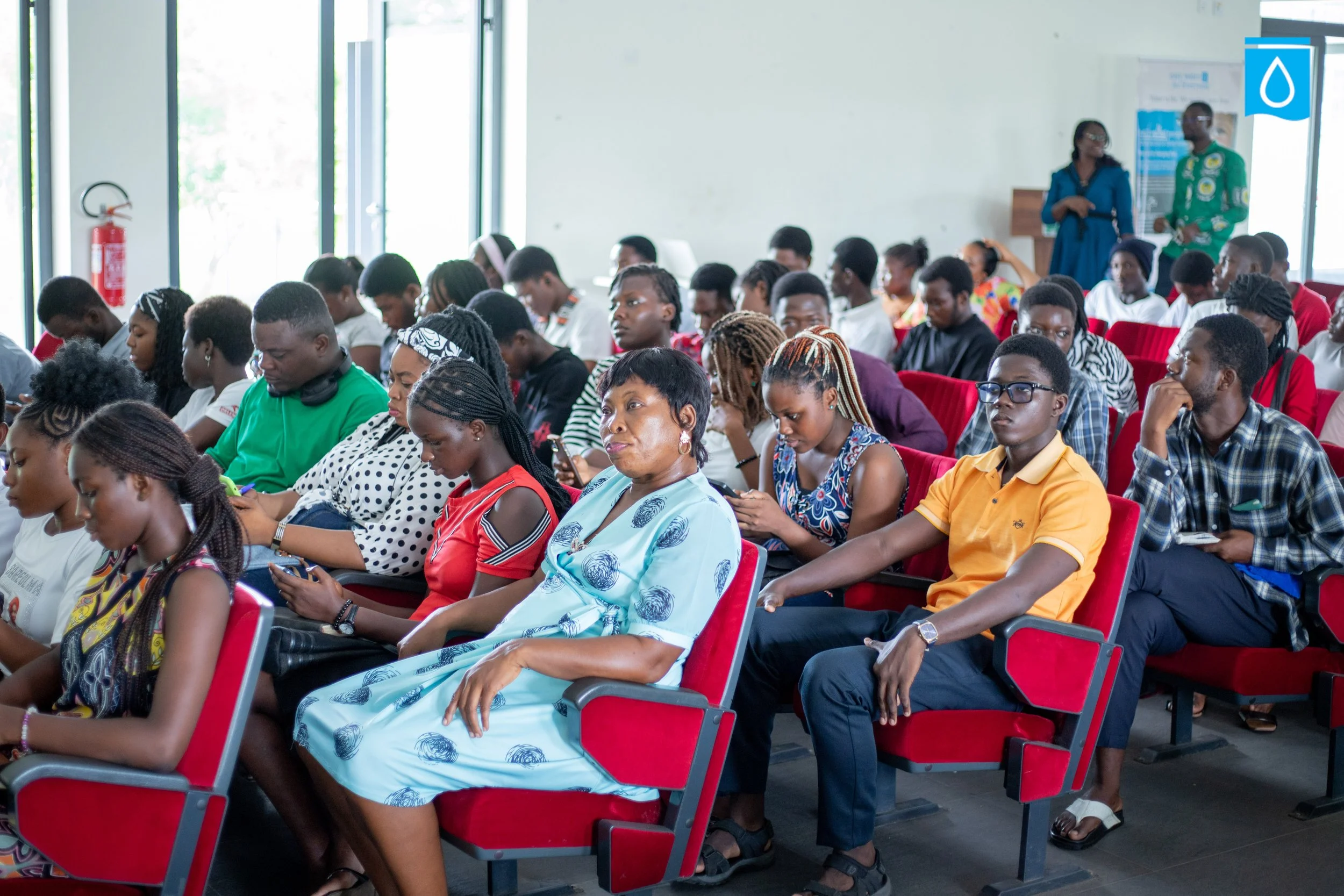
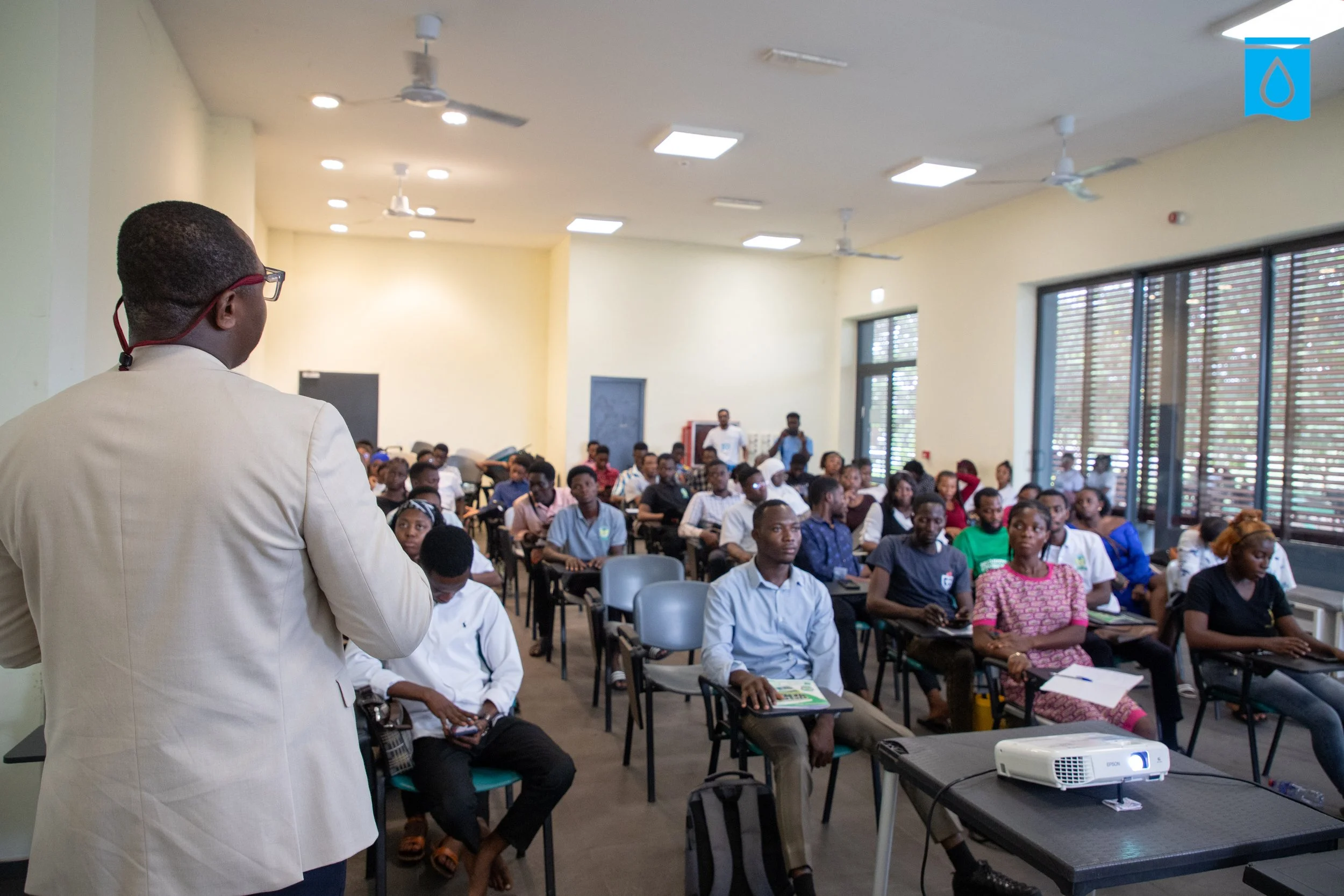
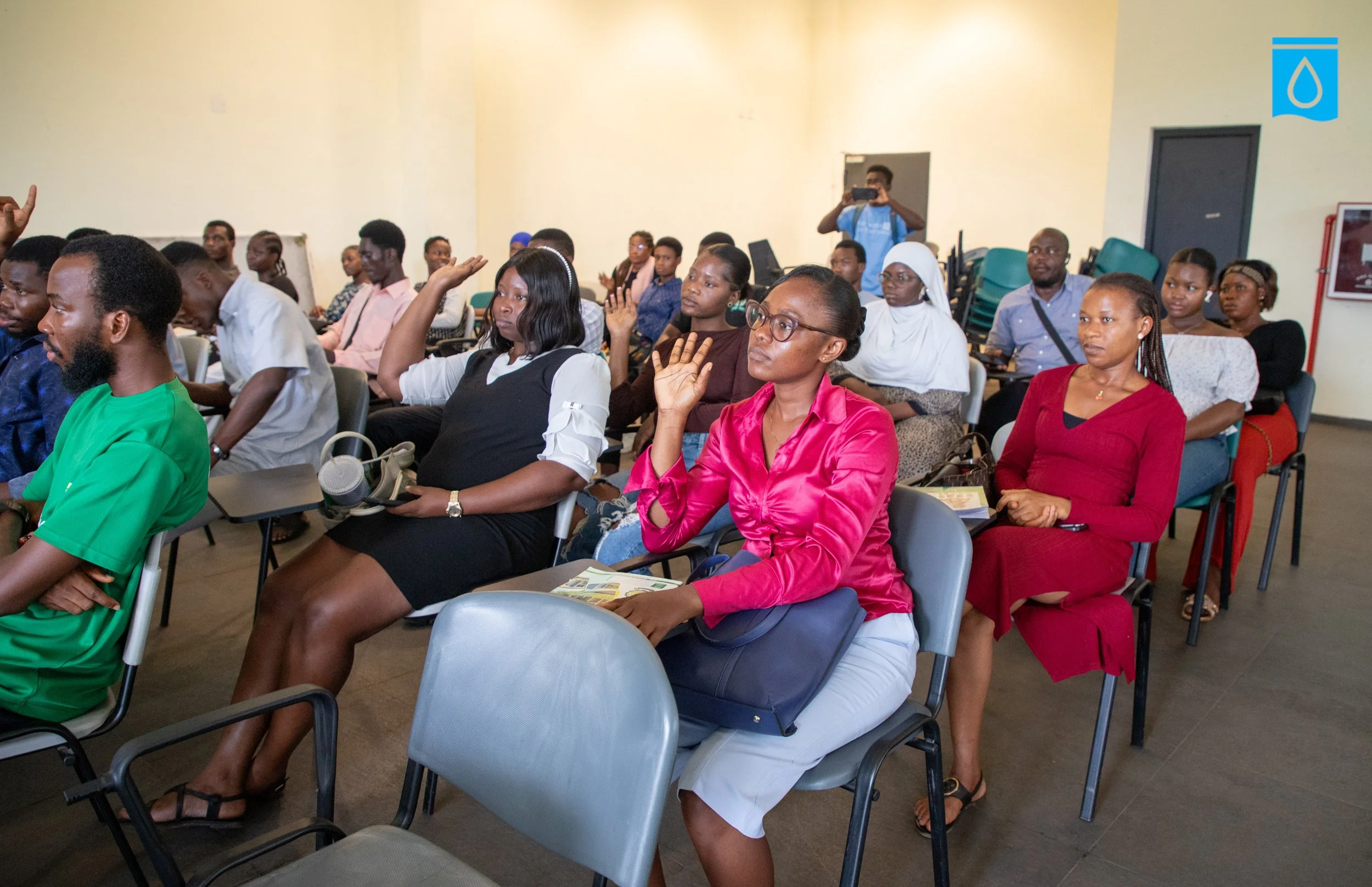
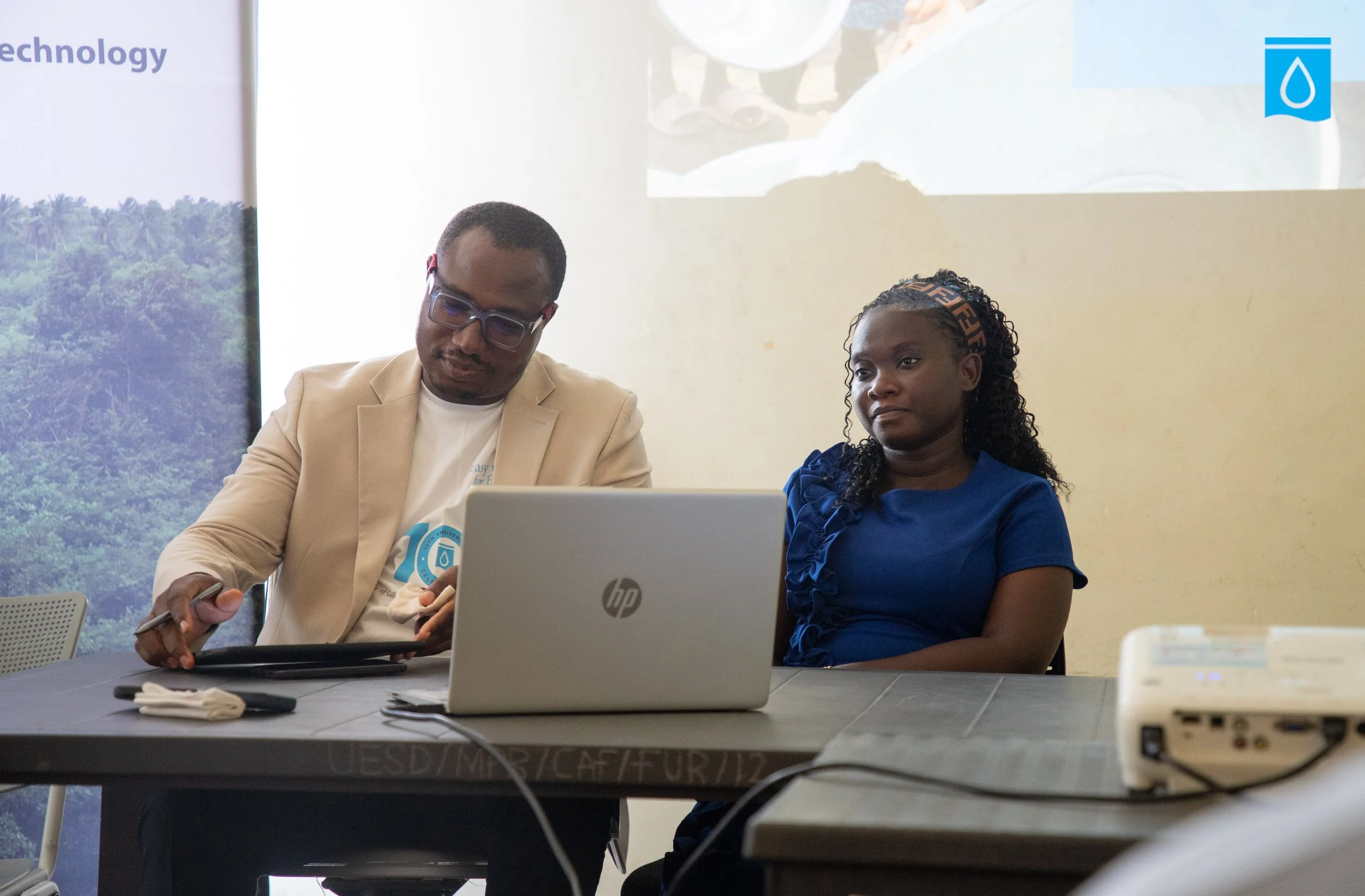
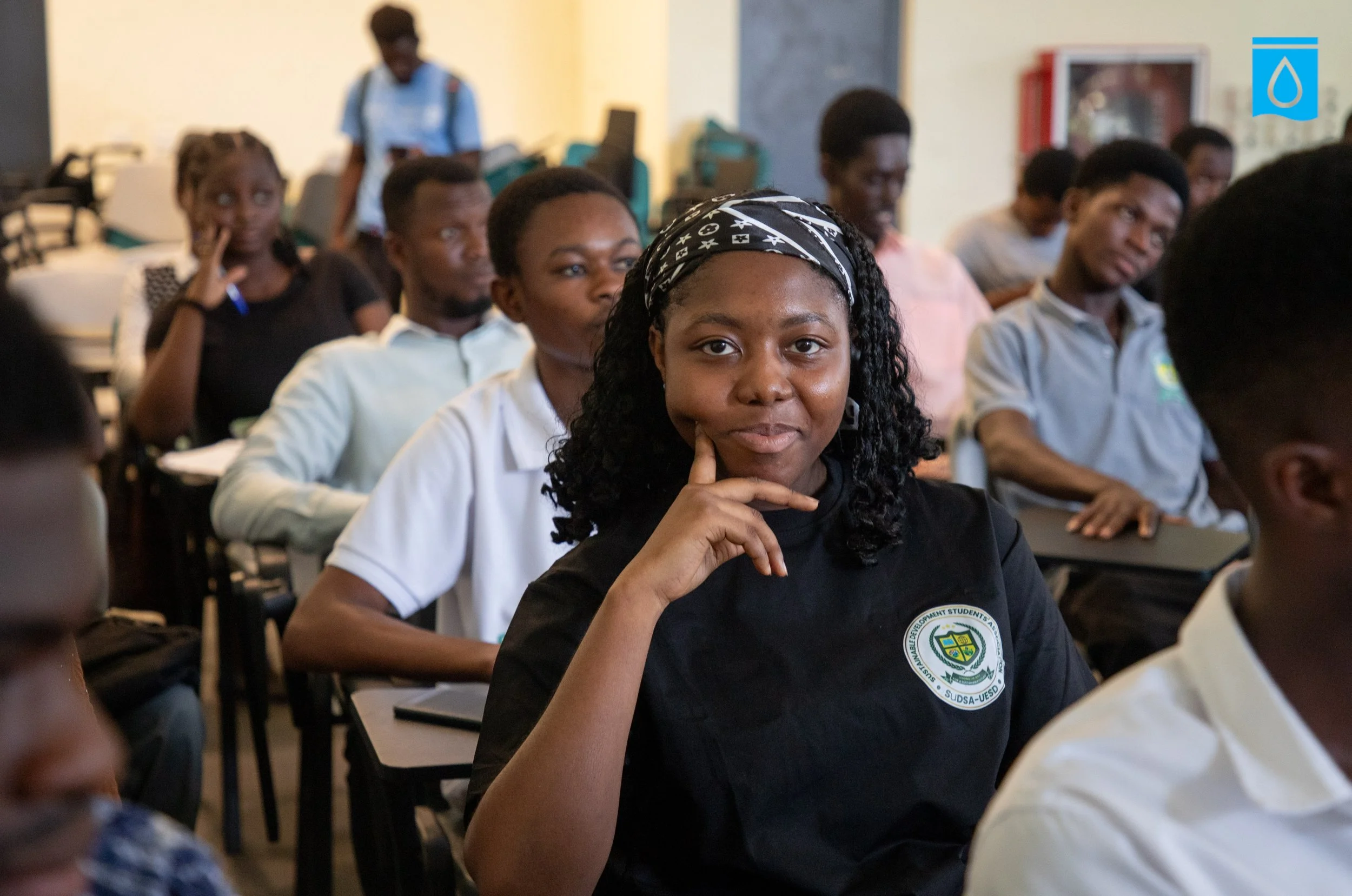
As part of activities marking this year’s World Water Day, Easy Water for Everyone (EWfE), in partnership with the University of Environment and Sustainable Development (UESD), held a student workshop on Wednesday, March 25, 2026, at the Multipurpose Auditorium on the university’s Somanya campus in Ghana’s Eastern Region. This marked the first collaboration of its kind between the two institutions.
Held under the theme, “Gender Implications of Investing in Last-Mile Rural Water Systems,” the workshop brought together faculty and students from the School of Natural and Environmental Sciences and the School of Sustainable Development.
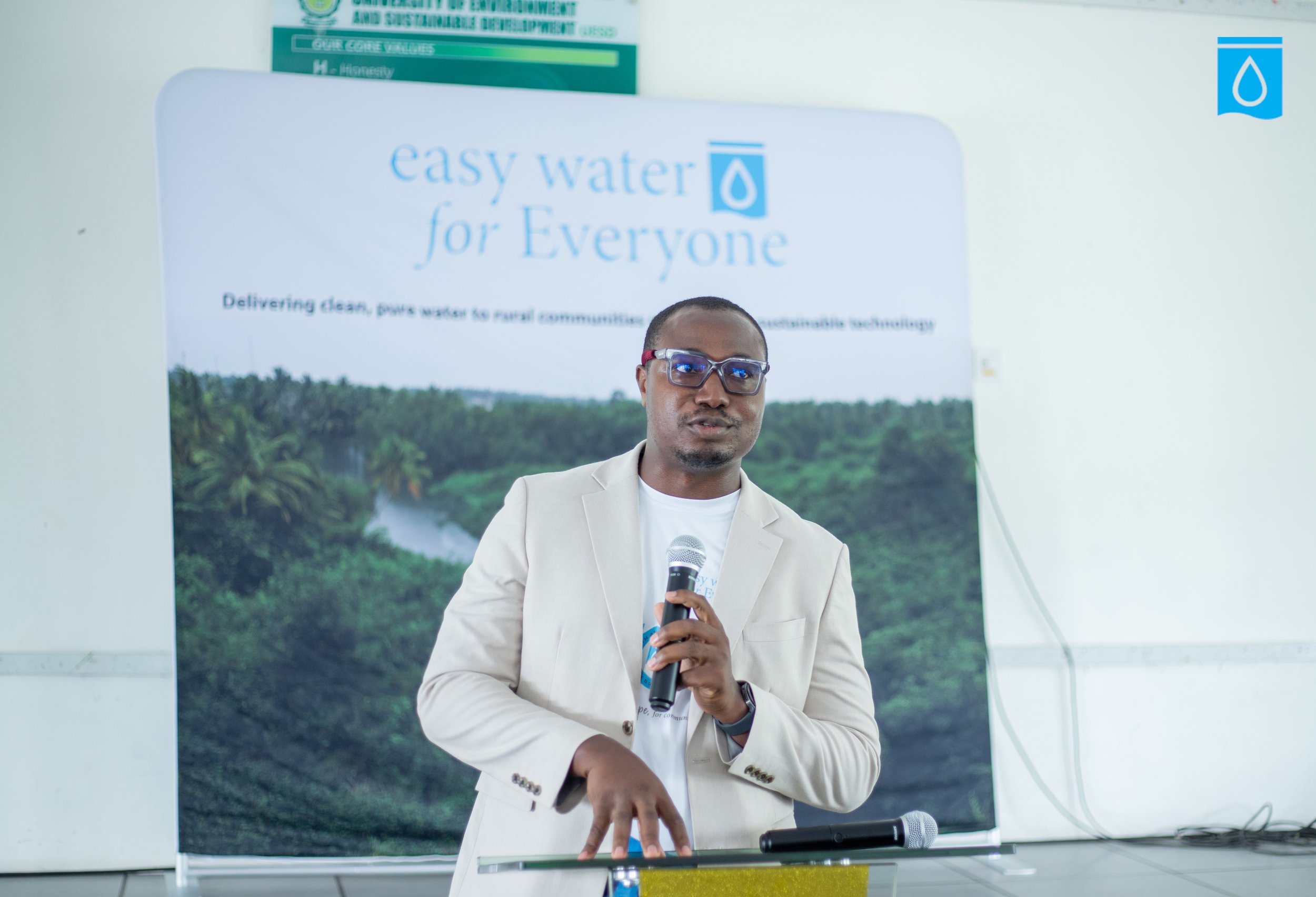
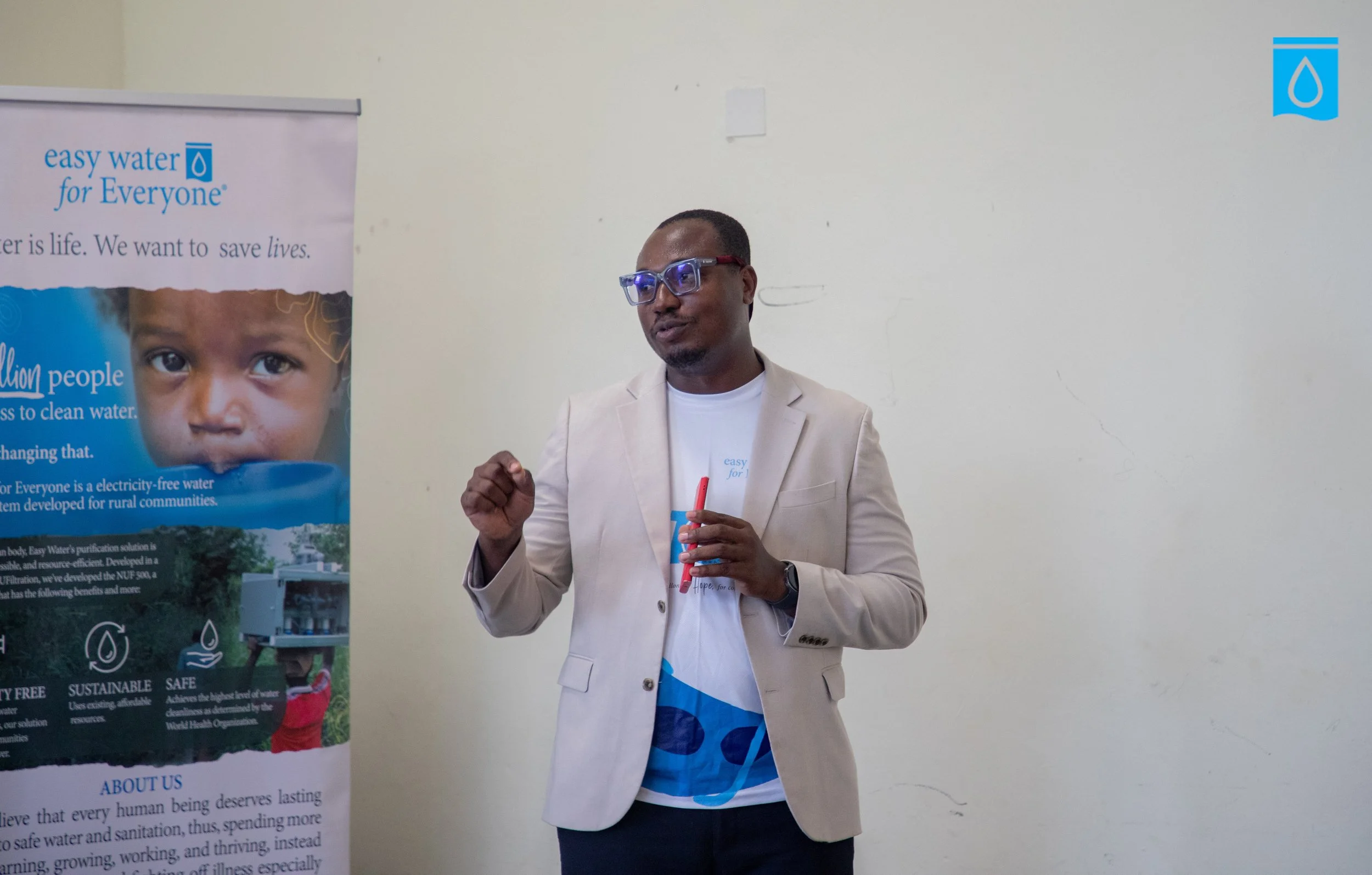
In his presentation, EWfE Chief Operating Officer Harrison Matti emphasized that investing in rural water systems is also an investment in women’s empowerment, since women make up the majority of beneficiaries. “Access to clean water gives women far more than a basic necessity. It creates pathways to better health, restores dignity, and expands the freedom to pursue economic opportunity. That is the change our mission seeks to advance, especially in Africa, where societal norms often place limitations on women,” he said.
Drawing from EWfE’s work in Ghana, Senegal, and Uganda, Harrison also highlighted both the challenges and the successes of working in last-mile rural water systems. He noted that the greatest joy lies in seeing the impact on society’s most vulnerable, especially women, children, older adults, and persons with disabilities.
Key takeaways from the workshop:
Investing in rural water systems has strong gender implications, especially for women in last-mile communities.
Bringing clean water closer to homes helps reduce hardship and expand health, dignity, and livelihood opportunities.
EWfE’s field experience across Africa shows that clean water interventions can create measurable social impact.
Collaboration between EWfE and UESD highlighted the value of linking academic learning with practical development challenges.
The workshop reinforced the importance of student volunteerism and experiential learning in building future leaders for sustainable development.
The event reflected the spirit of World Water Day 2026: Water and Gender, emphasizing that where water flows, equality grows.
Speaking on the sidelines of the event, Daniel Ofori Minkah, Head of Community Engagement and Innovations Unit at UESD, commended EWfE for the partnership. He noted that the collaboration adds value to the university’s flagship Community-Based Experiential Learning (CoBEL) program, which sends students into surrounding communities for fieldwork as part of their academic training. He added that the practical knowledge shared during the workshop would equip students with a deeper understanding of the impact of clean water.
EWfE Digital Marketing Lead Benjamin Boateng also encouraged students to embrace volunteerism while in school as a way to gain practical experience and stand out professionally. “Volunteerism gives you the chance to build practical, real-world experience that sets you apart and prepares you for success in your career,” he said.
The workshop strongly reflects the official global theme for World Water Day 2026, “Water and Gender,” under the campaign message “Where Water Flows, Equality Grows.” The campaign centers women and girls in water solutions and highlights the role of safe water and sanitation in advancing gender equality.
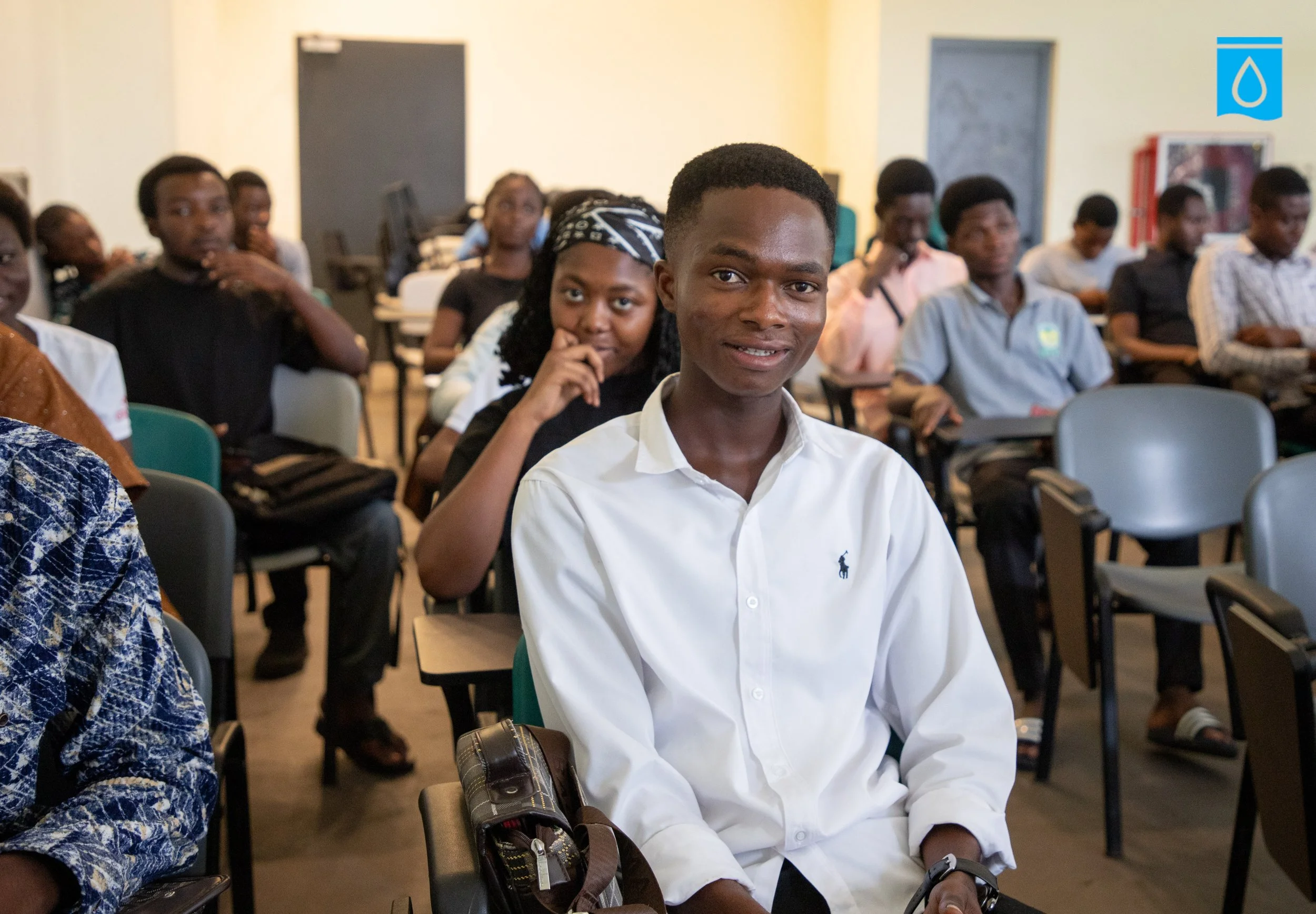
“Stronger Alliances, Stronger Water Solutions — Harrison Matti”
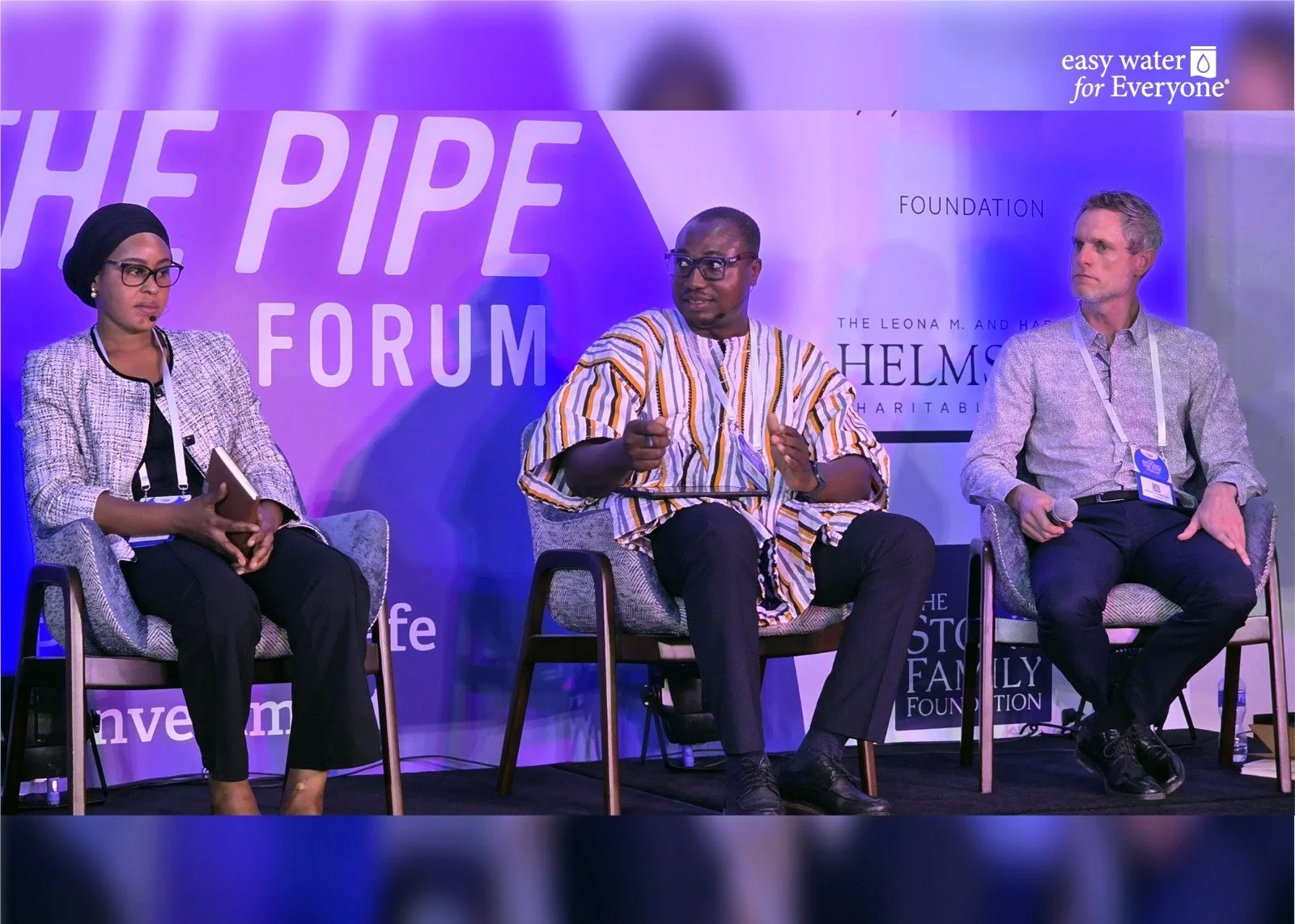
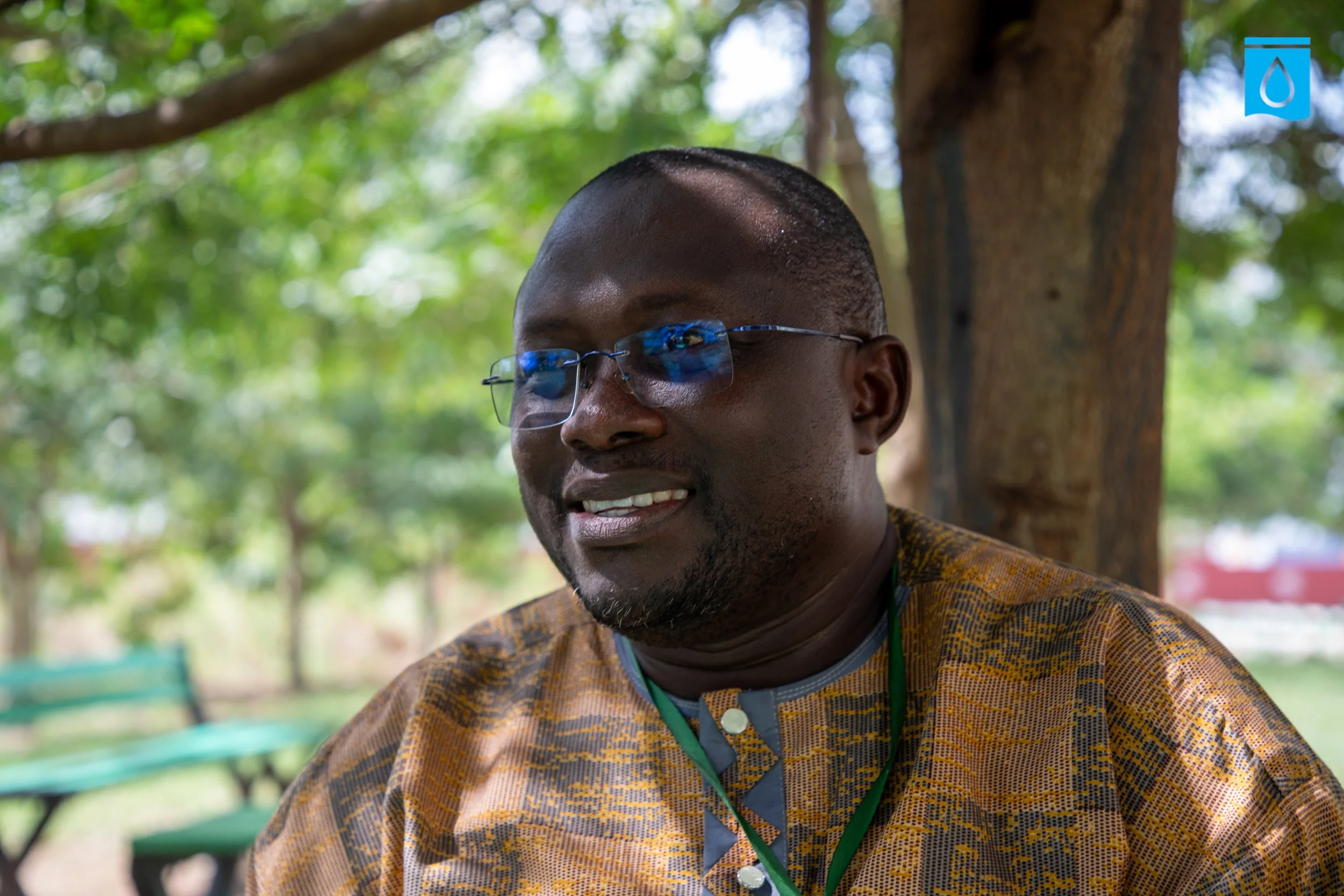
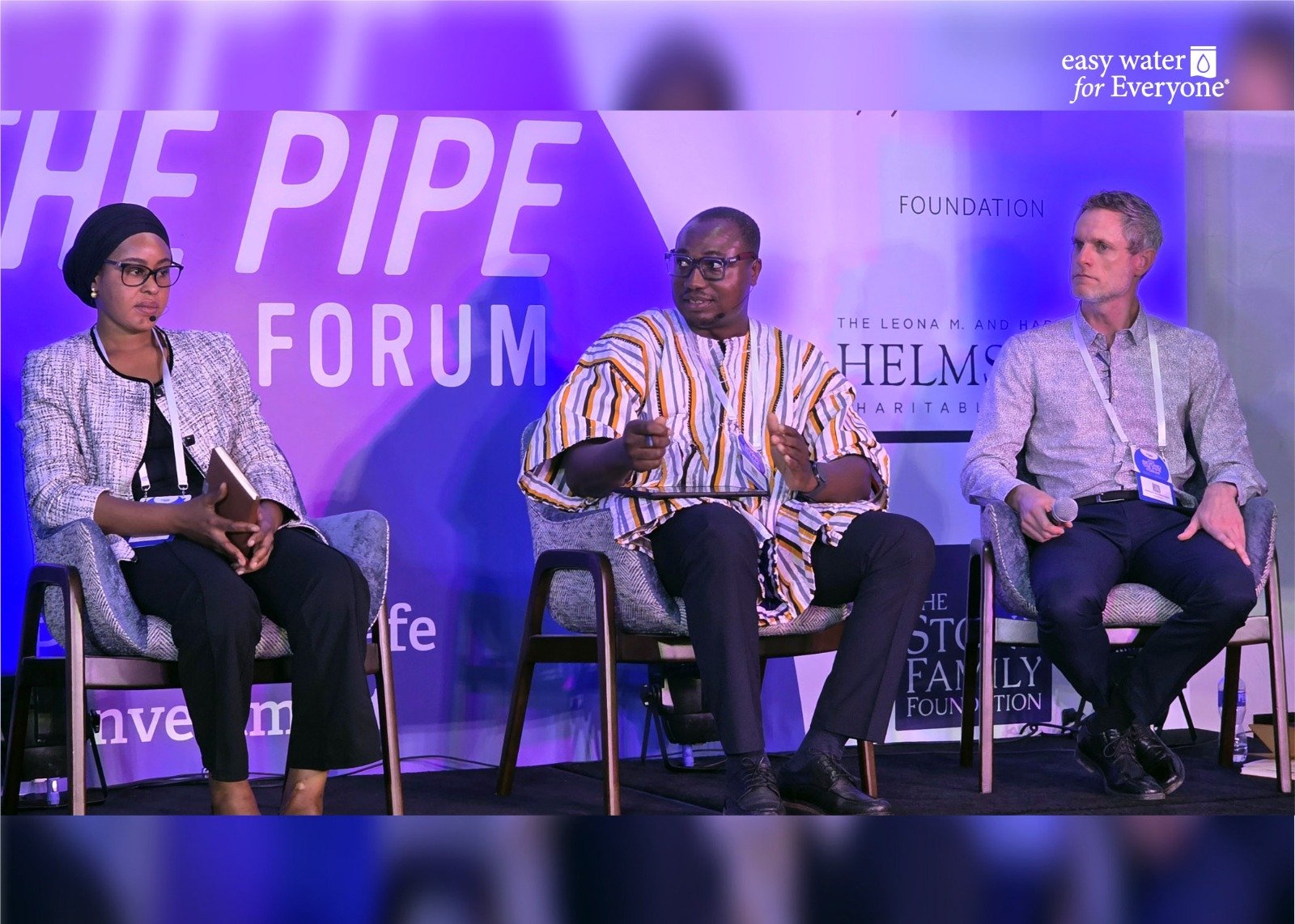
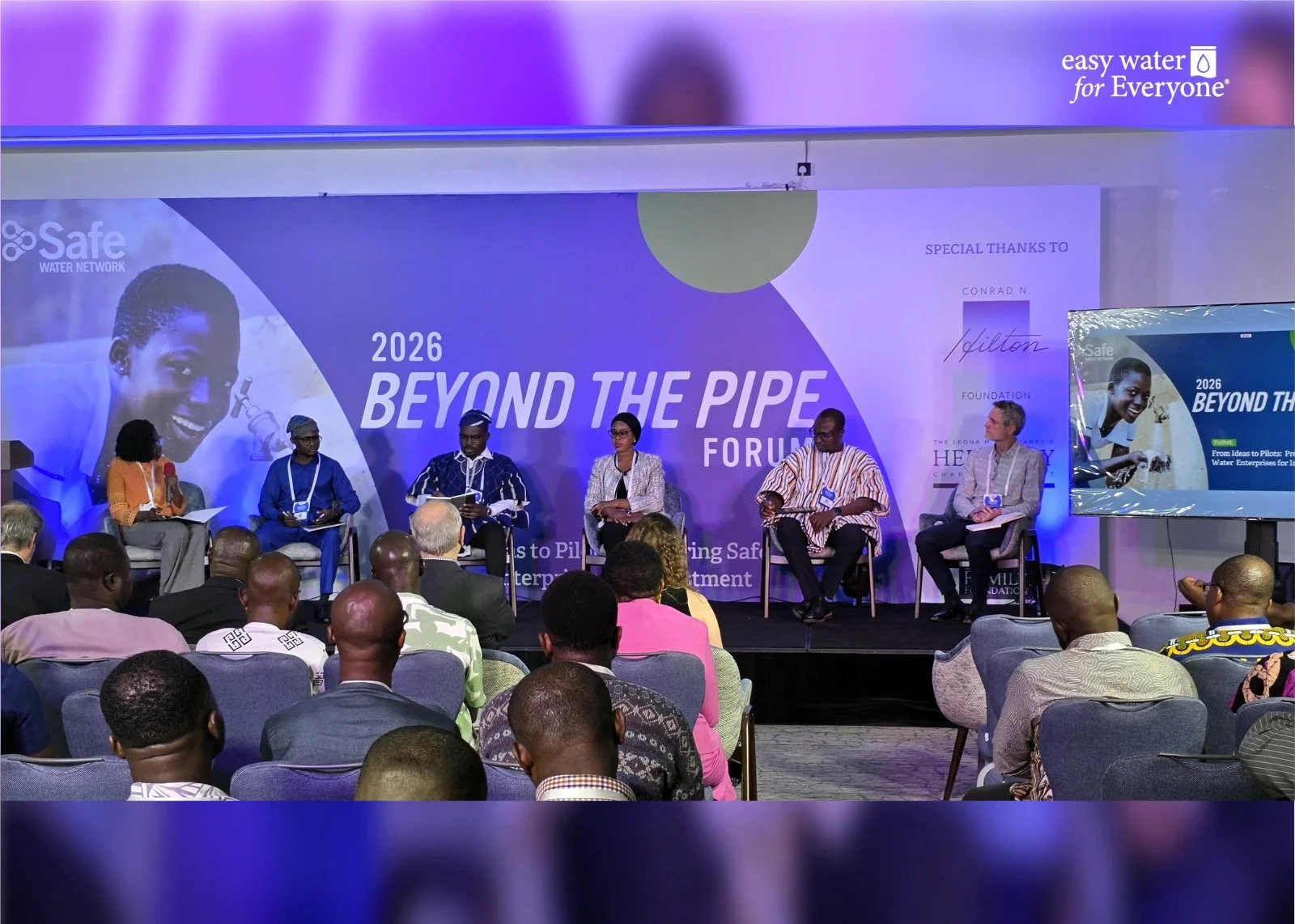
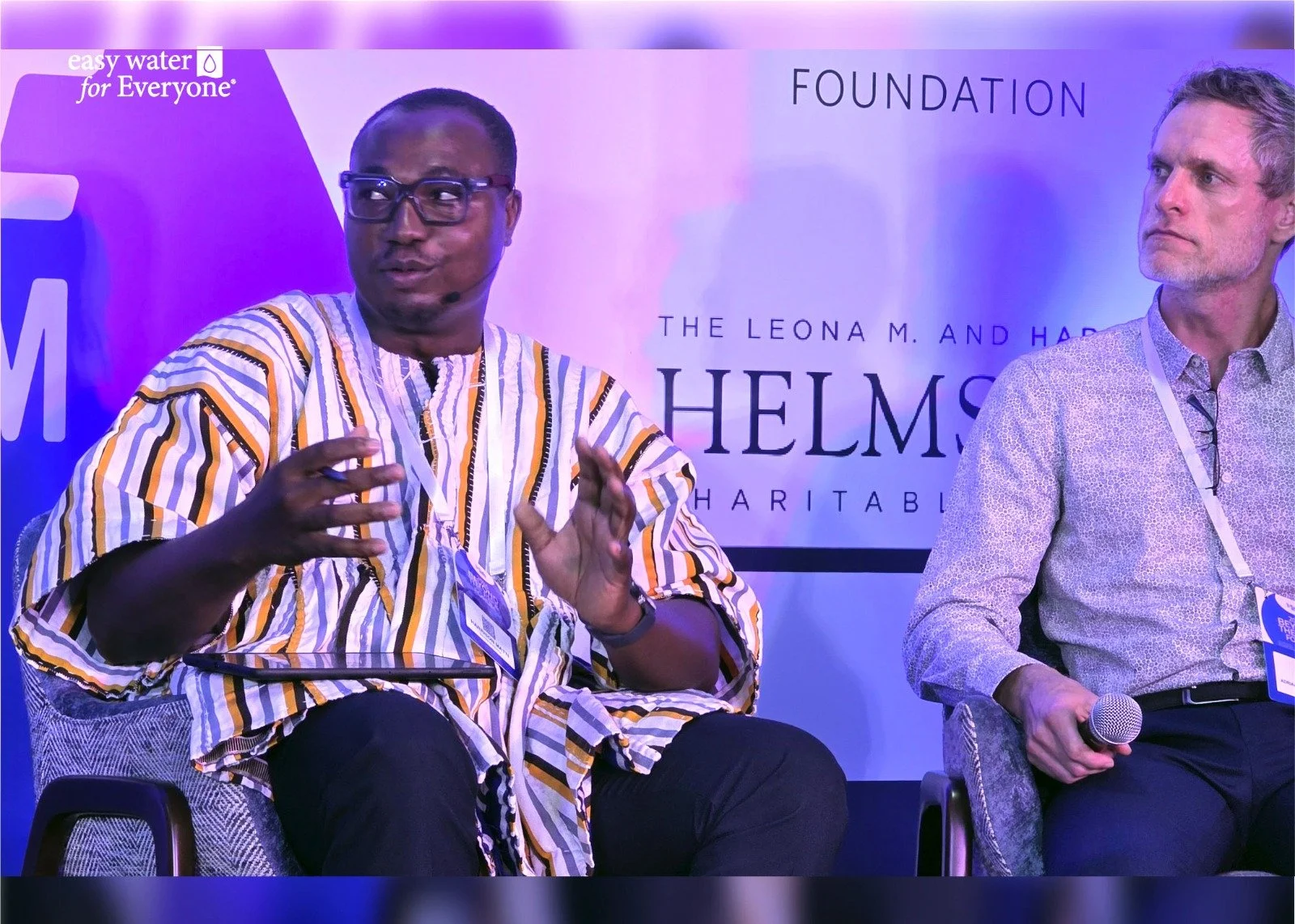
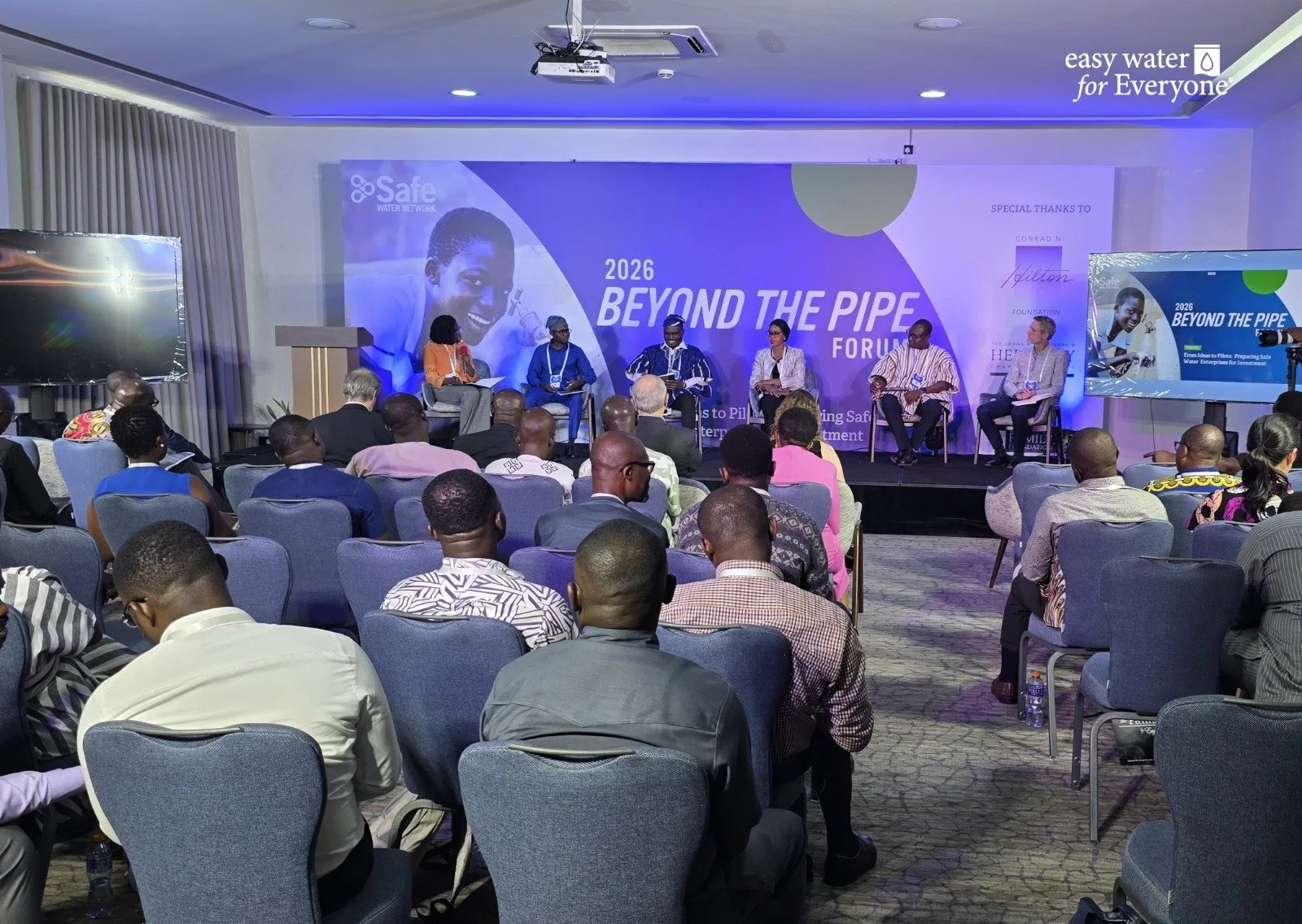
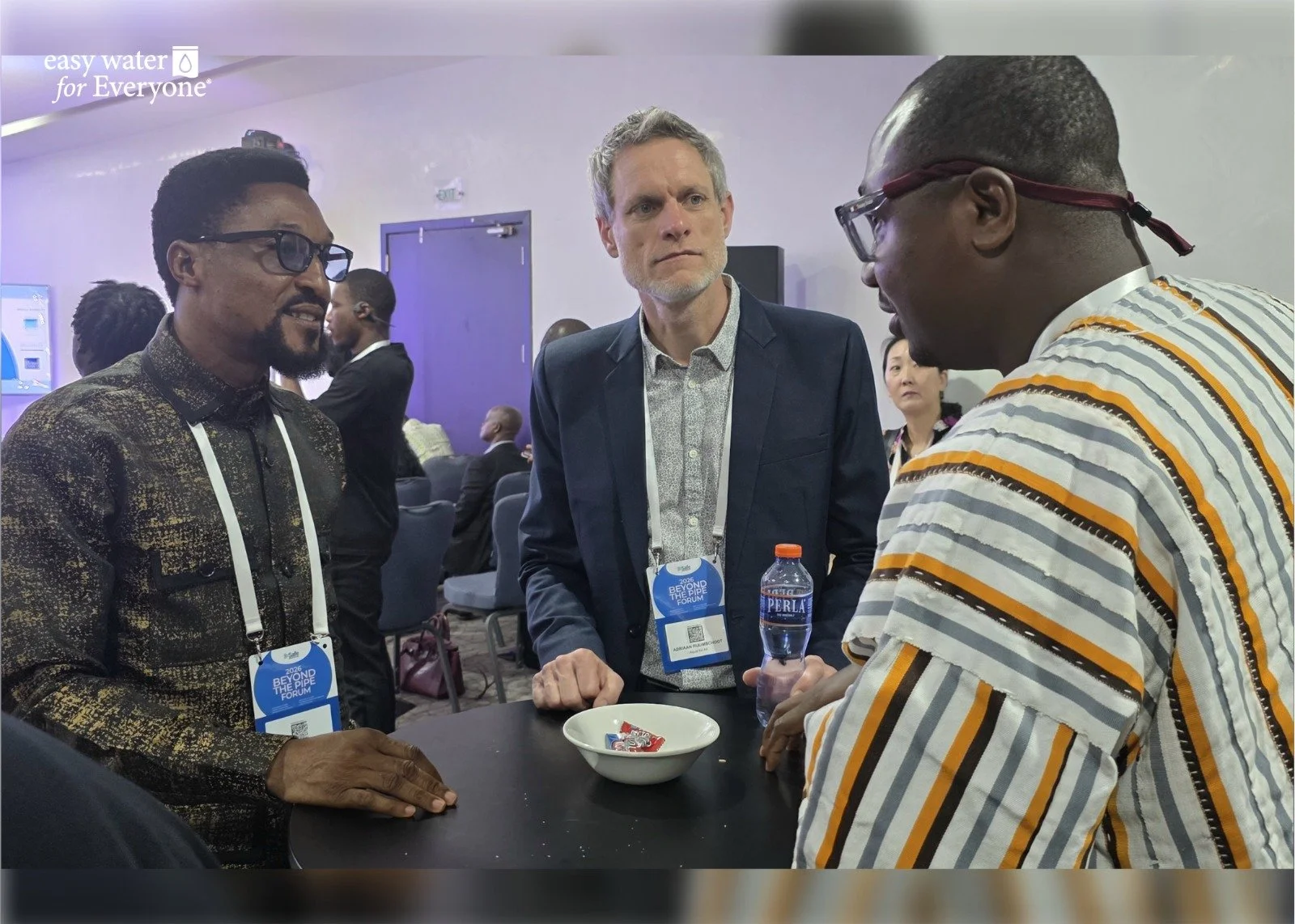
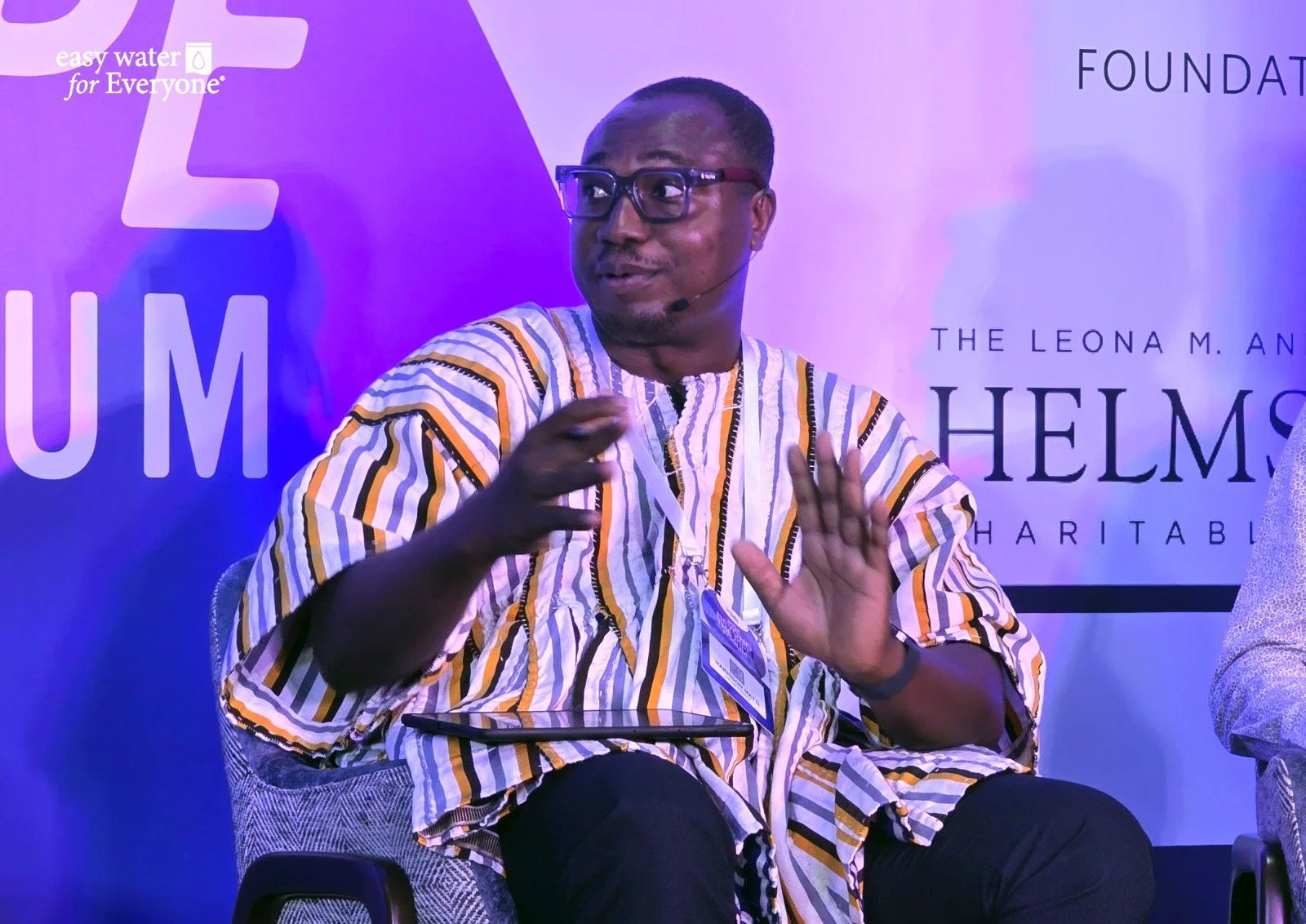
At the 2026 Beyond the Pipe Forum, organized by Safe Water Network in Accra on Wednesday, March 18, 2026, 𝗛𝗮𝗿𝗿𝗶𝘀𝗼𝗻 𝗠𝗮𝘁𝘁𝗶, 𝗖𝗵𝗶𝗲𝗳 𝗢𝗽𝗲𝗿𝗮𝘁𝗶𝗻𝗴 𝗢𝗳𝗳𝗶𝗰𝗲𝗿 𝗼𝗳 𝗘𝗮𝘀𝘆 𝗪𝗮𝘁𝗲𝗿 𝗳𝗼𝗿 𝗘𝘃𝗲𝗿𝘆𝗼𝗻𝗲 (𝗘𝗪𝗳𝗘), delivered a compelling message to the water sector and the global donor community: nonprofits must form stronger alliances when applying for grants to scale lasting solutions.
Speaking on the topic “𝗙𝗶𝗻𝗮𝗻𝗰𝗶𝗻𝗴 𝘁𝗵𝗲 𝗡𝗲𝘅𝘁 𝗚𝗲𝗻𝗲𝗿𝗮𝘁𝗶𝗼𝗻 𝗼𝗳 𝗪𝗮𝘁𝗲𝗿 𝗘𝗻𝘁𝗲𝗿𝗽𝗿𝗶𝘀𝗲𝘀,” Harrison drew on EWfE’s 10 years of experience working in last-mile communities to emphasize that, as the global donor landscape continues to shrink, financing challenges become even more critical for nonprofits seeking to scale up.
He noted that while partnerships with district assemblies have helped bridge part of the financing gap, more must be done, especially in operations and maintenance (O&M) and long-term sustainability. He also urged NGOs to move beyond siloed approaches and pursue grants through strategic alliances.
𝗞𝗲𝘆 𝘁𝗮𝗸𝗲𝗮𝘄𝗮𝘆𝘀 𝗳𝗿𝗼𝗺 𝗛𝗮𝗿𝗿𝗶𝘀𝗼𝗻’𝘀 𝗿𝗲𝗺𝗮𝗿𝗸𝘀:
🔹 Alliances strengthen collective impact by combining expertise and implementation capacity.
🔹 Collaboration builds donor confidence by demonstrating stronger credibility and shared accountability.
🔹 Partnerships improve efficiency by allowing organizations to share resources and solutions.
🔹 Financing remains a major challenge as safe water enterprises move from the pilot stage to expansion.
🔹 Water quality regulation remains a gap in the service delivery value chain and requires greater attention.
The forum, held under the theme “𝗙𝗿𝗼𝗺 𝗜𝗱𝗲𝗮𝘀 𝘁𝗼 𝗣𝗶𝗹𝗼𝘁𝘀: 𝗣𝗿𝗲𝗽𝗮𝗿𝗶𝗻𝗴 𝗦𝗮𝗳𝗲 𝗪𝗮𝘁𝗲𝗿 𝗘𝗻𝘁𝗲𝗿𝗽𝗿𝗶𝘀𝗲𝘀 𝗳𝗼𝗿 𝗜𝗻𝘃𝗲𝘀𝘁𝗺𝗲𝗻𝘁,” brought together sector leaders and practitioners to reflect on lessons related to performance, cost, coordination, and operational risk. For global donors seeking sustainable and scalable impact, Harrison’s message was clear: supporting collaboration among nonprofits is not optional. It is essential.
World Kidney Day: Turning Kidney Care into Community Care
When people think about kidney health, they often think about hospitals, dialysis machines, medication, and specialist care. Far fewer think first about water. Yet water is one of the most important foundations of kidney health. On World Kidney Day, that connection deserves far more attention, especially in communities where access to clean water is still a daily struggle.
The kidneys play a vital role in filtering waste, balancing fluids, regulating minerals, and supporting the body’s overall health. When people repeatedly consume unsafe water or suffer from recurrent water-related illnesses, the body is subjected to avoidable strain. In children, the consequences can be especially severe. Frequent diarrhea and dehydration can quickly become life-threatening, while long-term exposure to poor water conditions can weaken health and reduce quality of life. In this sense, clean water is not only a matter of thirst or convenience. It is a matter of protection, prevention, and survival.
That is why clean water should be recognized for what it truly is: kidney care and healthcare.
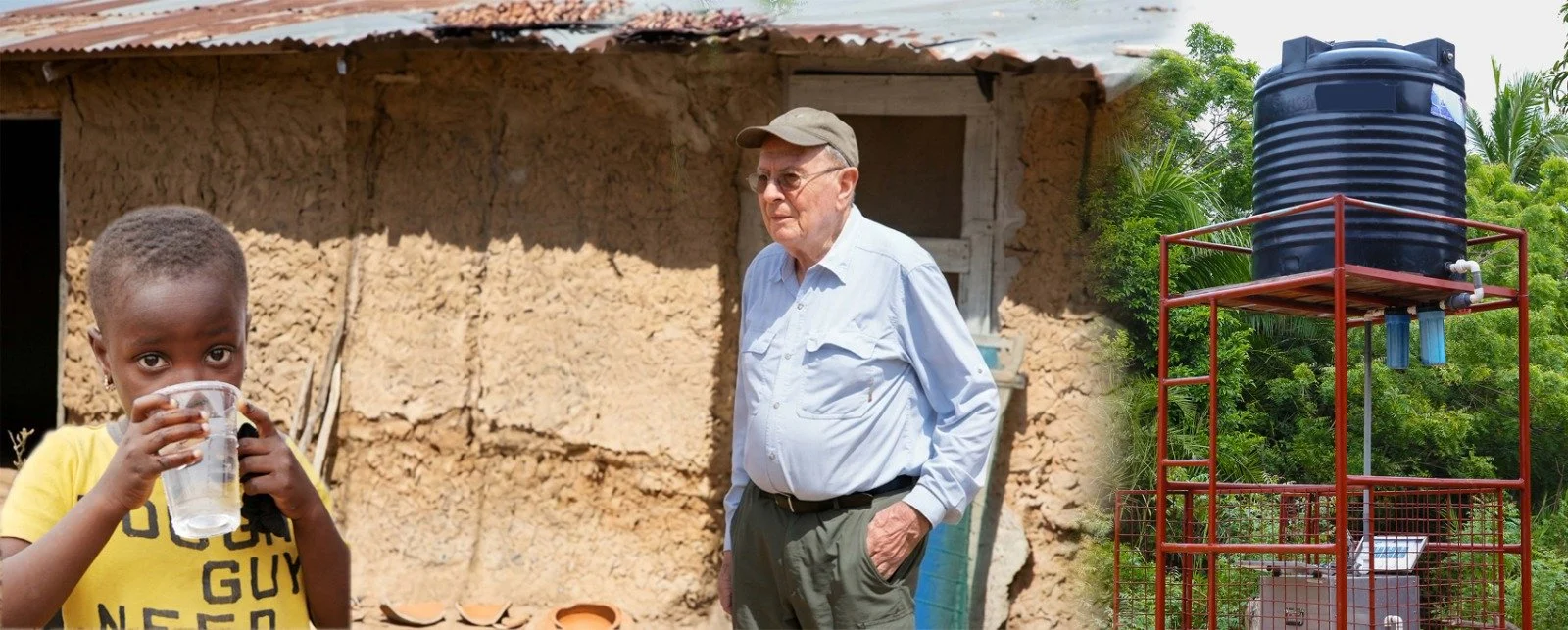
At EWfE, we are committed to bringing safe drinking water to isolated villages that often lack electricity and adequate sanitation. In communities where conventional infrastructure is difficult or impossible to build, EWfE offers an innovative, practical solution with the NUF500 water purification technology.
The NUF500 is designed to filter contaminated water from unsafe local sources, turning it into clean, safe drinking water. What makes this especially unique is that the system is built for places where the power supply is limited or nonexistent.
The credibility of this work is strengthened by the leadership of Dr. Nathan W. Levin, President of EWfE. Dr. Levin is a distinguished nephrologist with a special interest in dialysis and a long record of leadership in medicine. His career has included service as Professor of Medicine at the University of Michigan, Albert Einstein College of Medicine, leading the Division of Nephrology at Henry Ford Hospital and Beth Israel Medical Center in New York City, and co-founding the Renal Research Institute, LLC.
That matters. When a leader with such extensive experience in kidney medicine stands behind a clean water initiative, it reinforces public confidence in the importance and quality of the solution being delivered. Dr. Levin understands better than most how closely water and health are connected. His professional life has been devoted to kidney care, and that background lends added weight to EWfE’s commitment to producing water safe for human consumption. His leadership bridges medicine and humanitarian service in a way that is both rare and powerful.
World Kidney Day is therefore not only a moment to discuss treatment. It is also a moment to highlight prevention. It is a time to remember that protecting the kidneys begins long before a patient reaches a clinic. It begins with what people drink every day. It begins with whether a mother can give her child safe water. It begins with whether a village has a reliable source of purified water for drinking and handwashing.
The message of World Kidney Day should be clear: protecting kidney health is not only the work of hospitals and specialists. It is also the work of clean-water solutions, public-health action, and community support. When we invest in safe water, we are investing in healthier kidneys, healthier families, and healthier futures.
Clean water is life. Clean water is prevention. Clean water is kidney care.
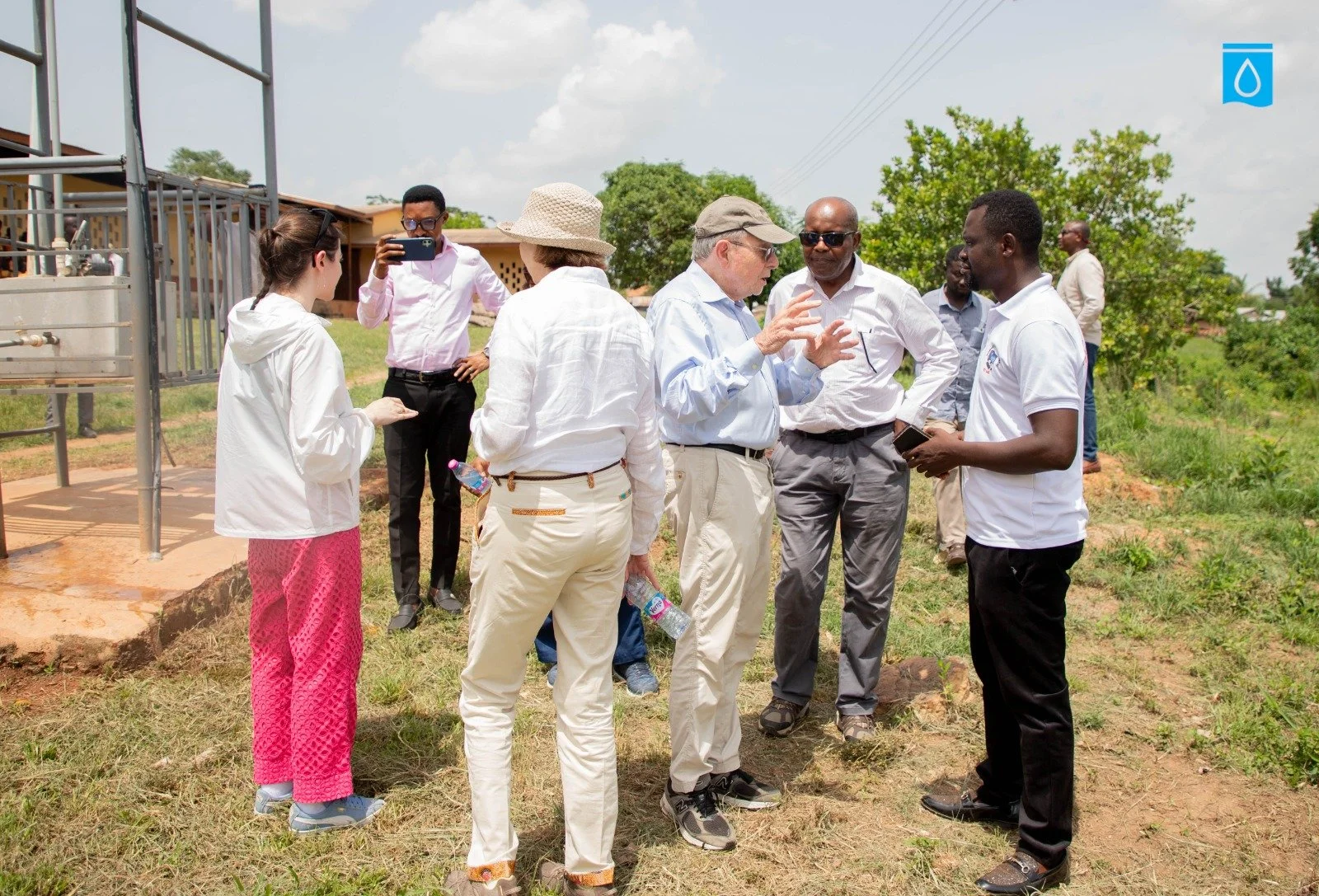
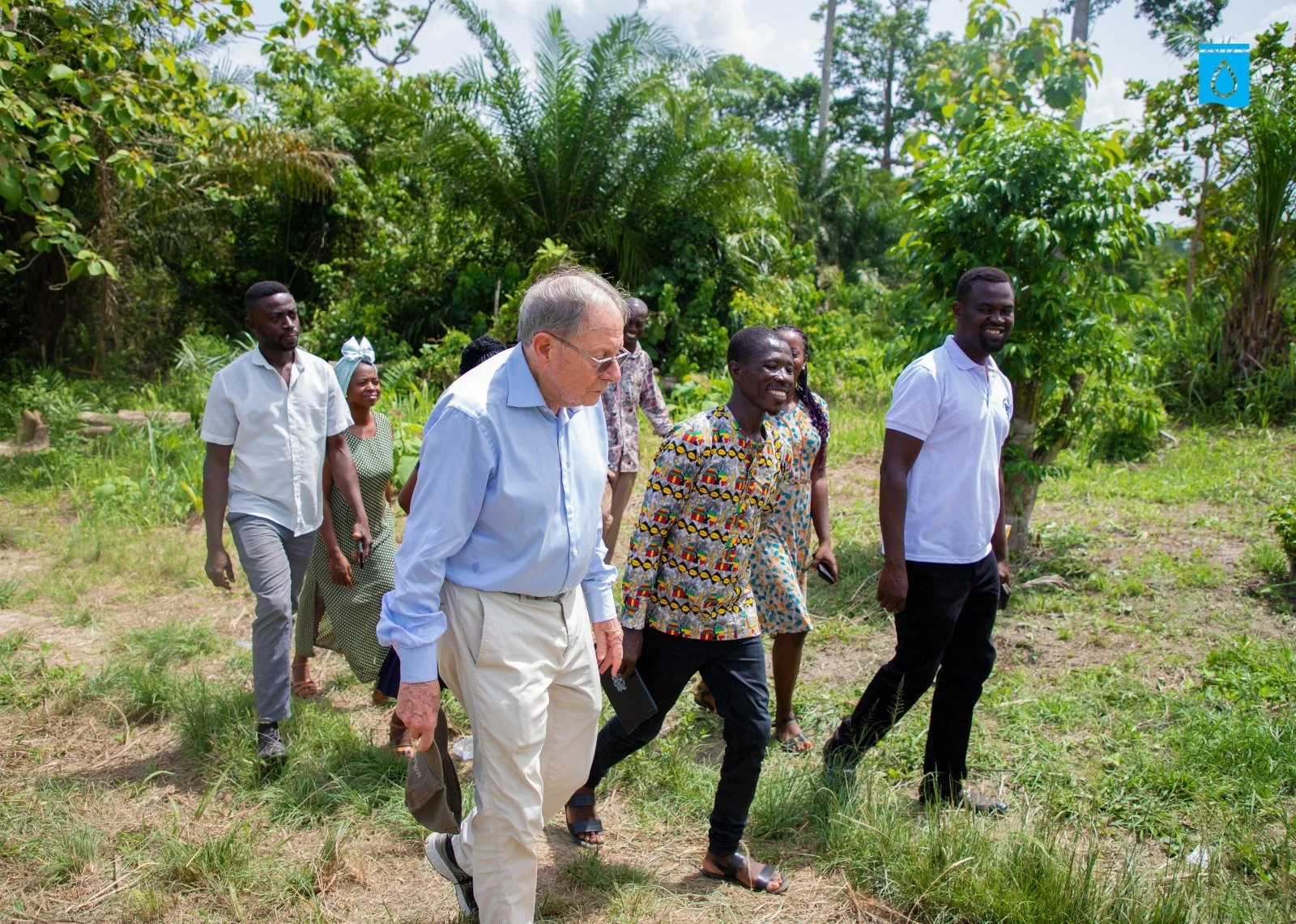
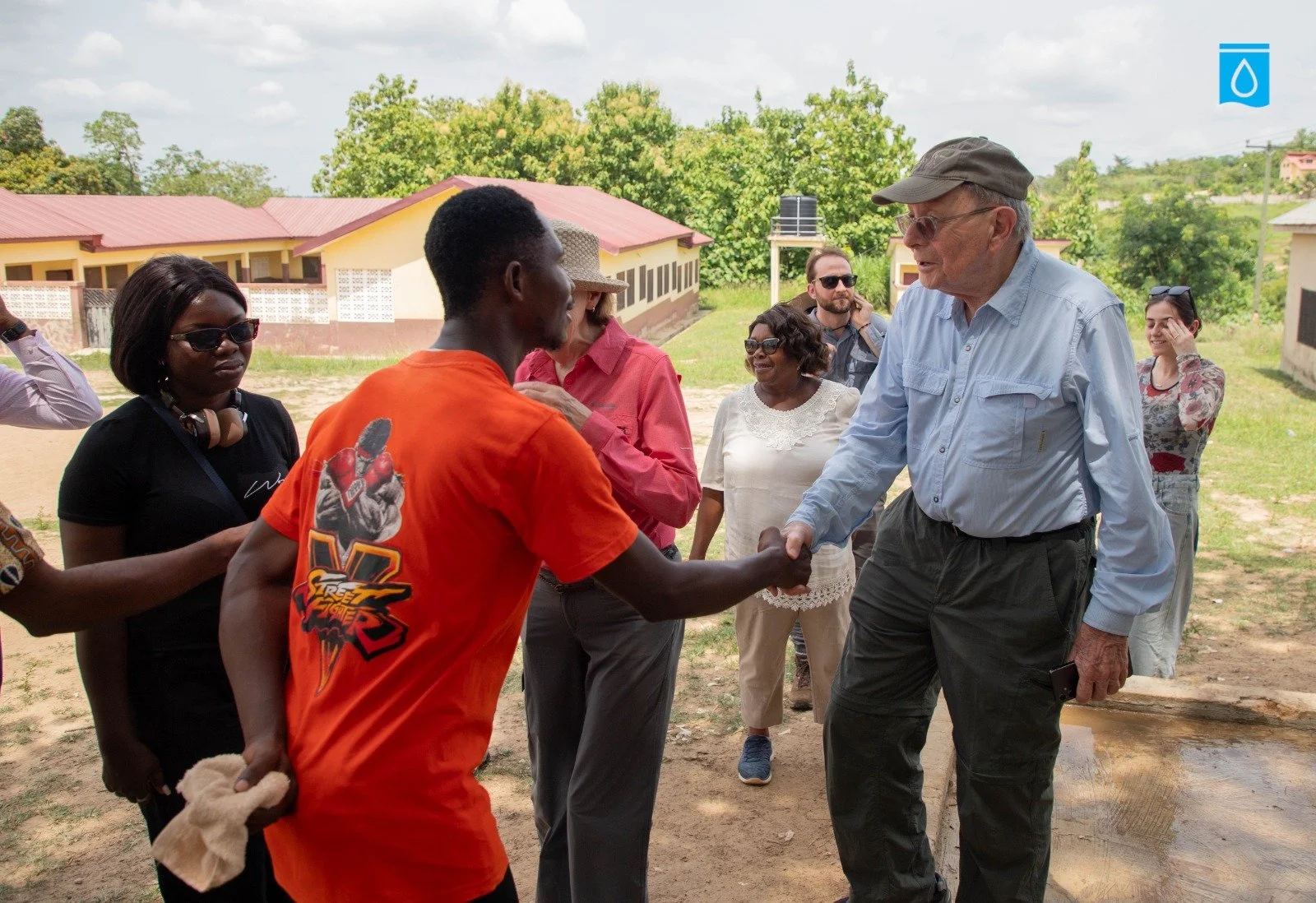
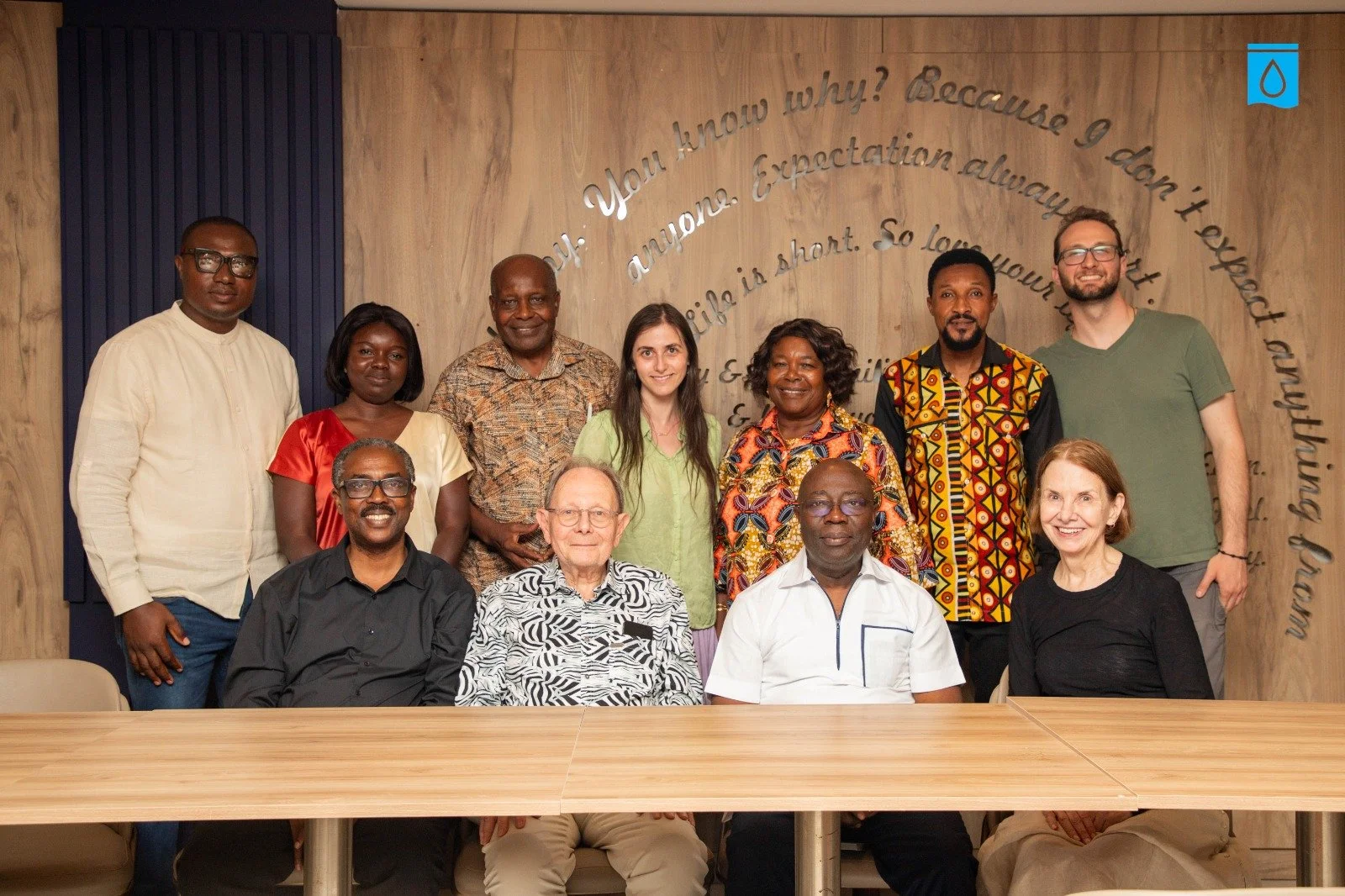

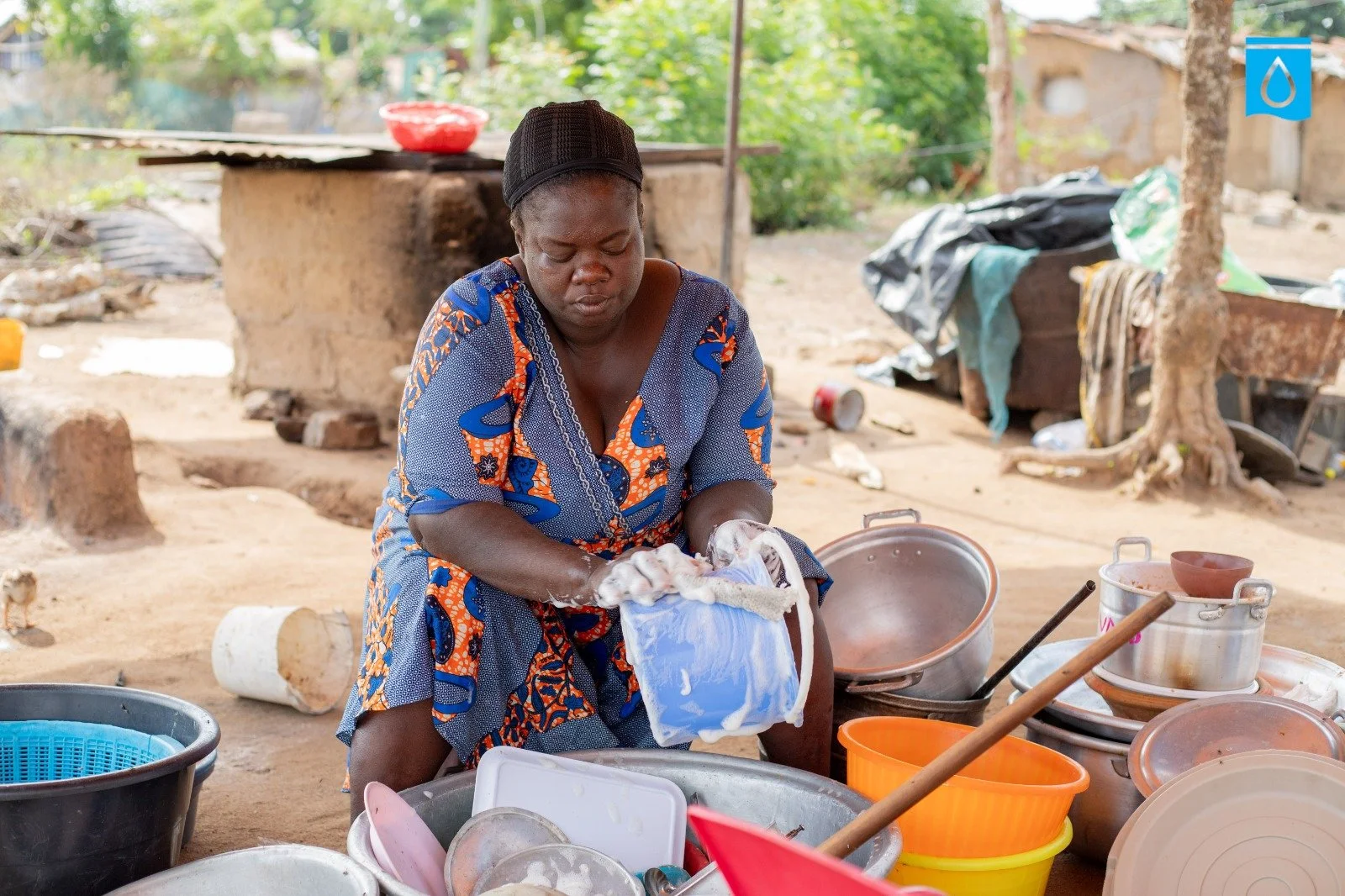
WHEN WATER MOVES CLOSER, WOMEN BREATHE AGAIN
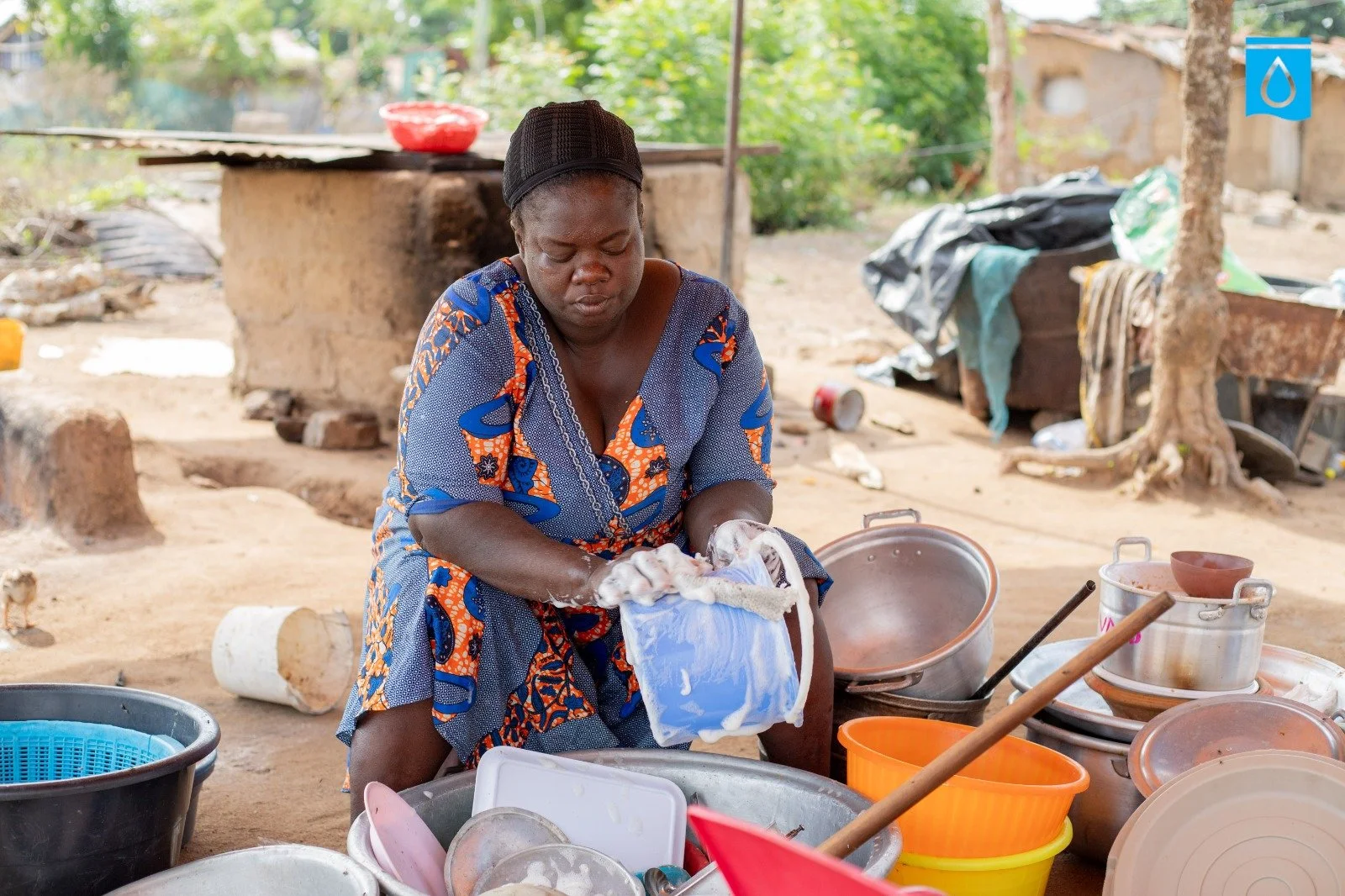
At 46, the fish smoker in Tomefa has learned to measure life in time and strength.
Before our intervention, her mornings often began with an exhausting walk to the Densu River to fetch polluted water. It was not just tiring, it was also very risky.
𝗧𝗼𝗱𝗮𝘆, 𝗵𝗲𝗿 𝘀𝘁𝗼𝗿𝘆 𝗵𝗮𝘀 𝗰𝗵𝗮𝗻𝗴𝗲𝗱. With the Gravity Water Station (GWS) now within walking distance, she no longer loses precious time to the exhausting trip to the river. The time she once spent fetching unsafe water has now been reclaimed for what matters most. She has more time for household chores, more time to rest, and more time to care for her children.
𝗔𝗻𝗱 𝘄𝗶𝘁𝗵 𝗷𝘂𝘀𝘁 𝗮 𝗳𝗲𝘄 𝗱𝗮𝘆𝘀 𝘁𝗼 𝗜𝗻𝘁𝗲𝗿𝗻𝗮𝘁𝗶𝗼𝗻𝗮𝗹 𝗪𝗼𝗺𝗲𝗻’𝘀 𝗗𝗮𝘆, 𝗵𝗲𝗿 𝘀𝘁𝗼𝗿𝘆 𝗿𝗲𝗳𝗹𝗲𝗰𝘁𝘀 𝘀𝗼𝗺𝗲𝘁𝗵𝗶𝗻𝗴 𝗯𝗶𝗴𝗴𝗲𝗿. Our intervention is changing the lives of women. For her, clean water is not just a convenience. It is relief, opportunity, and a better rhythm of life in her community.
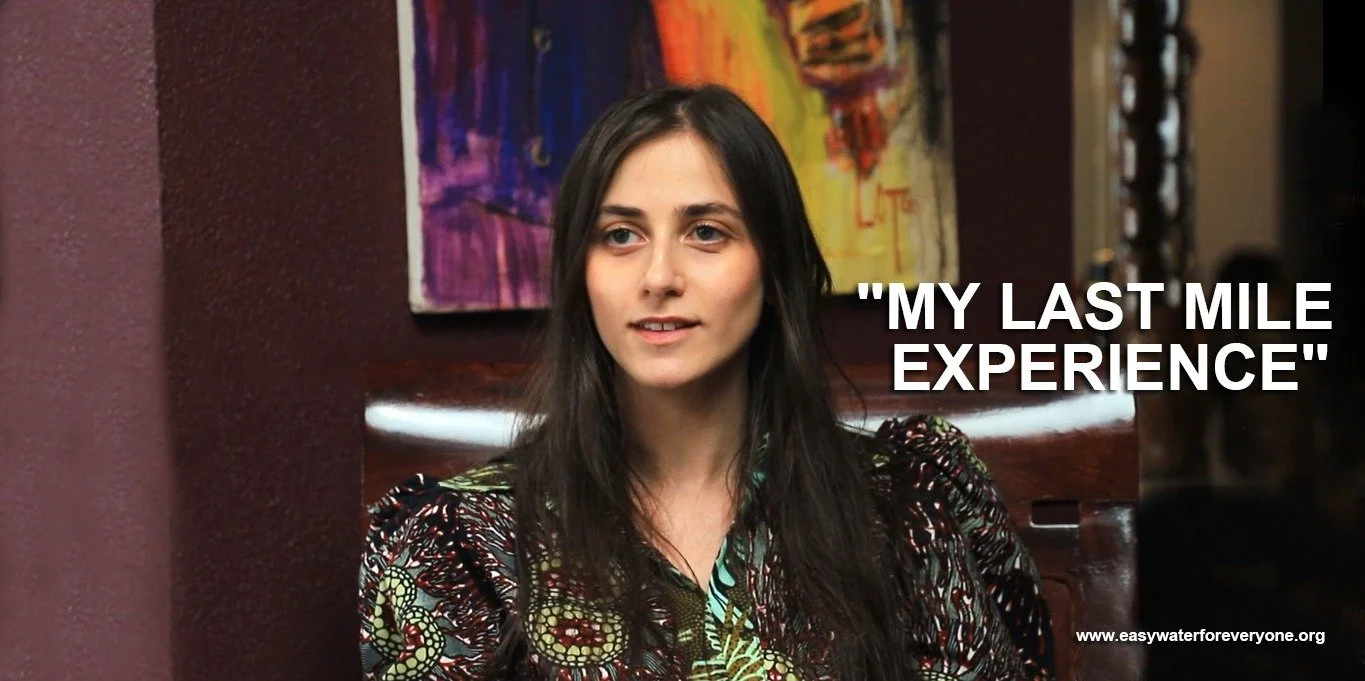
When you meet the last mile, you never see life the same again
When you meet the last mile, you never see life the same again.
She wasn’t too sure what to expect. But what happened next became an adventure she will never forget, one that changed her perspective about humanity forever.
Meet Shonna Levin, granddaughter of EWfE’s co-founders. Last year, she joined Dr. Nathan W. Levin and Linda L. Donald, alongside our Ghana team, to visit last-mile communities where clean water is not just needed, it is a long-awaited relief.
What she saw was not just a story. It was real life. What she felt was not just sympathy. It was something deeper.
In this video, Shonna shares the moment that made it all real and why she will never forget the experience.
Watch here: https://youtu.be/gc5kUyCe7fI
If this story moves you, do not just watch. Partner, advocate, donate, and help make clean water a reality for more last-mile communities.
Donate now: https://www.easywaterforeveryone.org/donate
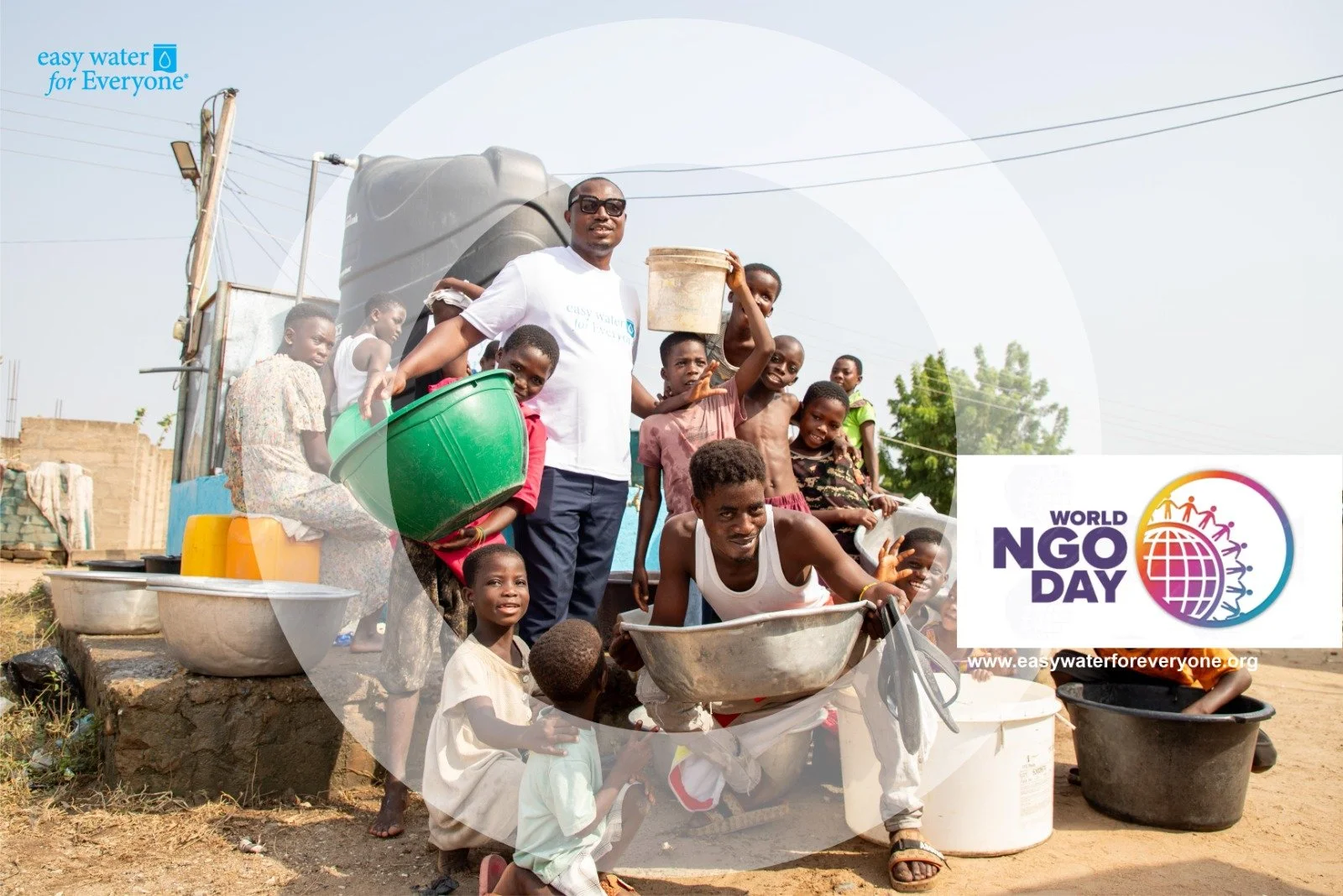
World NGO Day
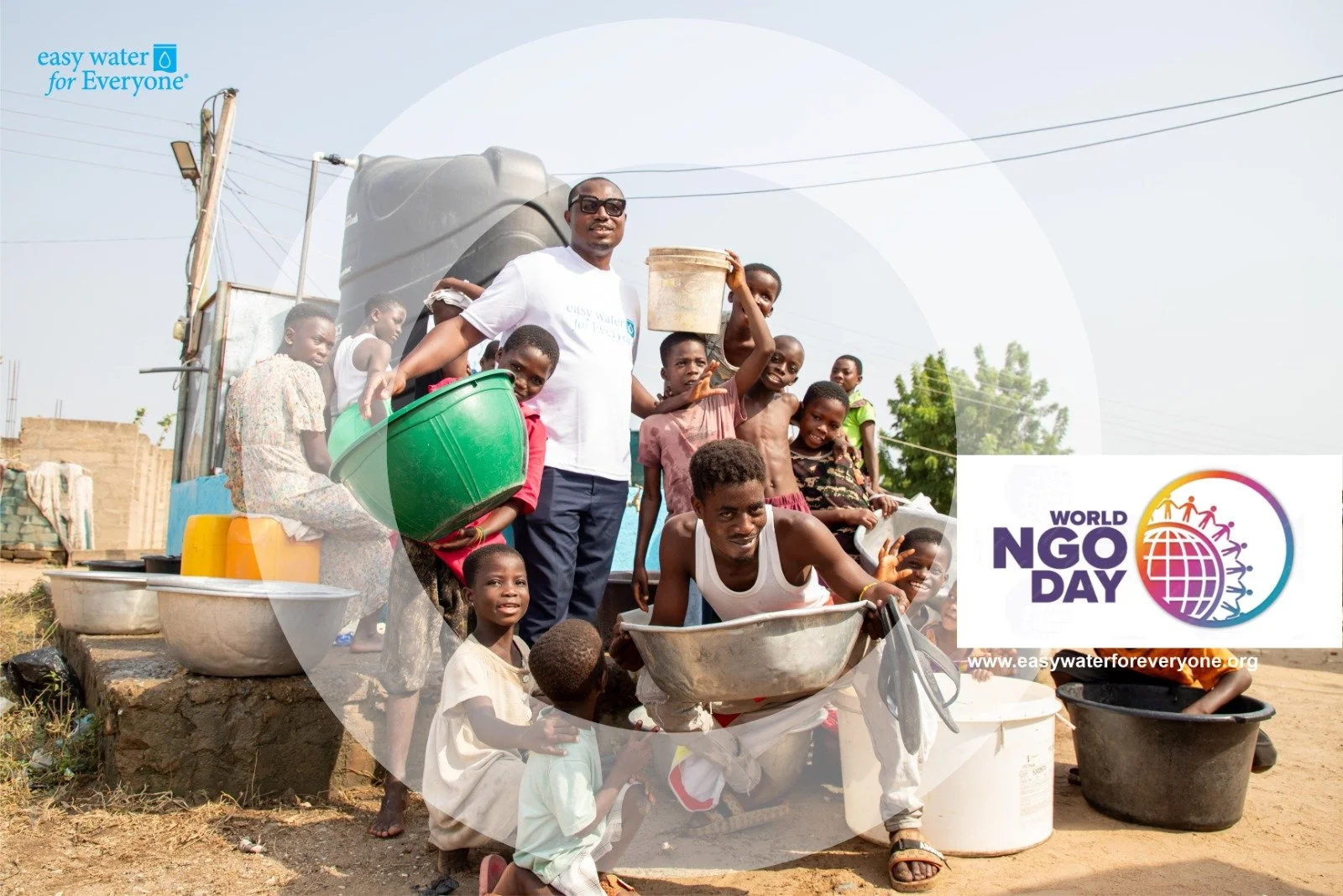
World NGO Day is a global salute to the tireless, compassionate work NGOs do every day to confront poverty and inequality. Today, we celebrate not only organizations, but the shared vision that unites us: a better world and a happier hashtag#humanity.
Here at Easy Water for Everyone (EWfE), that vision is made practical through one of life's most basic needs: clean, safe water. In many hard-to-reach communities, the lack of potable water does more than create inconvenience. It fuels illness, steals time and productivity, disrupts education, and deepens the cycle of poverty.
EWfE exists to bring safe drinking water closer to the people who need it most, especially in last-mile communities where support is often limited, and progress is slowed by distance and resource constraints. Through community-centered solutions, we have seen how access to clean water can restore dignity, protect health, and unlock opportunities.
Follow us and share our stories with family and friends.
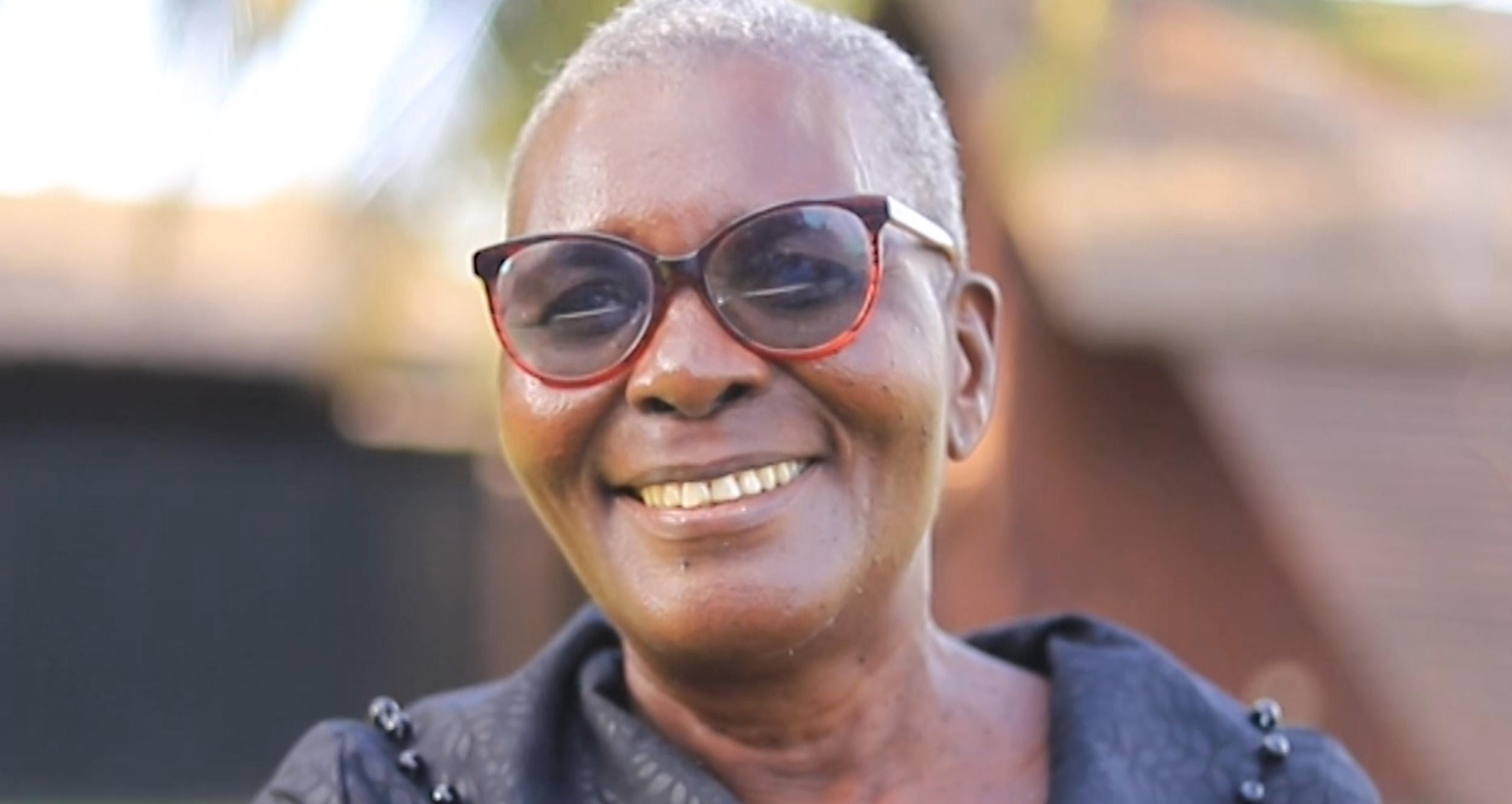
A QUEEN MOTHER’S VOICE
𝗔 𝗤𝘂𝗲𝗲𝗻 𝗠𝗼𝘁𝗵𝗲𝗿’𝘀 𝘃𝗼𝗶𝗰𝗲 𝗰𝗮𝗿𝗿𝗶𝗲𝘀 𝗵𝗶𝘀𝘁𝗼𝗿𝘆, 𝗱𝗶𝗴𝗻𝗶𝘁𝘆, 𝗮𝗻𝗱 𝘁𝗿𝘂𝘁𝗵, and in the Ada East island communities of Ghana.
In this testimonial video, the Queen Mother reflects on how our intervention has impacted her community.
𝗘𝘃𝗲𝗻 𝗺𝗼𝗿𝗲 𝗶𝗻𝘀𝗽𝗶𝗿𝗶𝗻𝗴, 𝘀𝗵𝗲 𝗵𝗮𝘀 𝗯𝗲𝗰𝗼𝗺𝗲 𝗮 𝗽𝗮𝘀𝘀𝗶𝗼𝗻𝗮𝘁𝗲 𝗘𝗪𝗳𝗘 𝗮𝗱𝘃𝗼𝗰𝗮𝘁𝗲 𝗼𝗻 𝘁𝗵𝗲 𝗶𝘀𝗹𝗮𝗻𝗱𝘀, championing clean water awareness and encouraging community ownership and use of safe water solutions.
𝗗𝗼𝗻𝗮𝘁𝗲 𝗻𝗼𝘄: https://lnkd.in/eaX3Cpv
Please watch, listen, and share.
Celebrating Chocolate Day
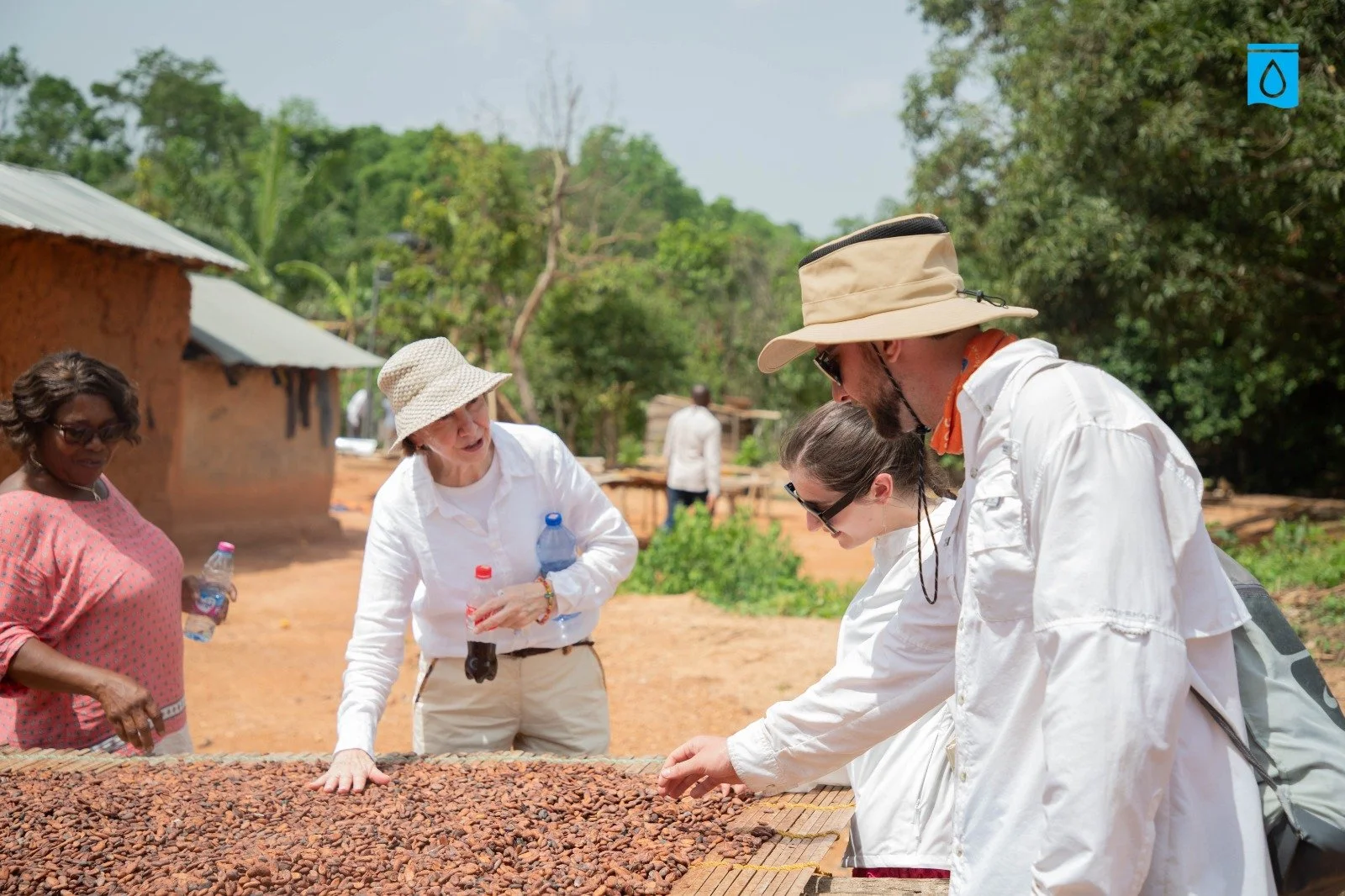
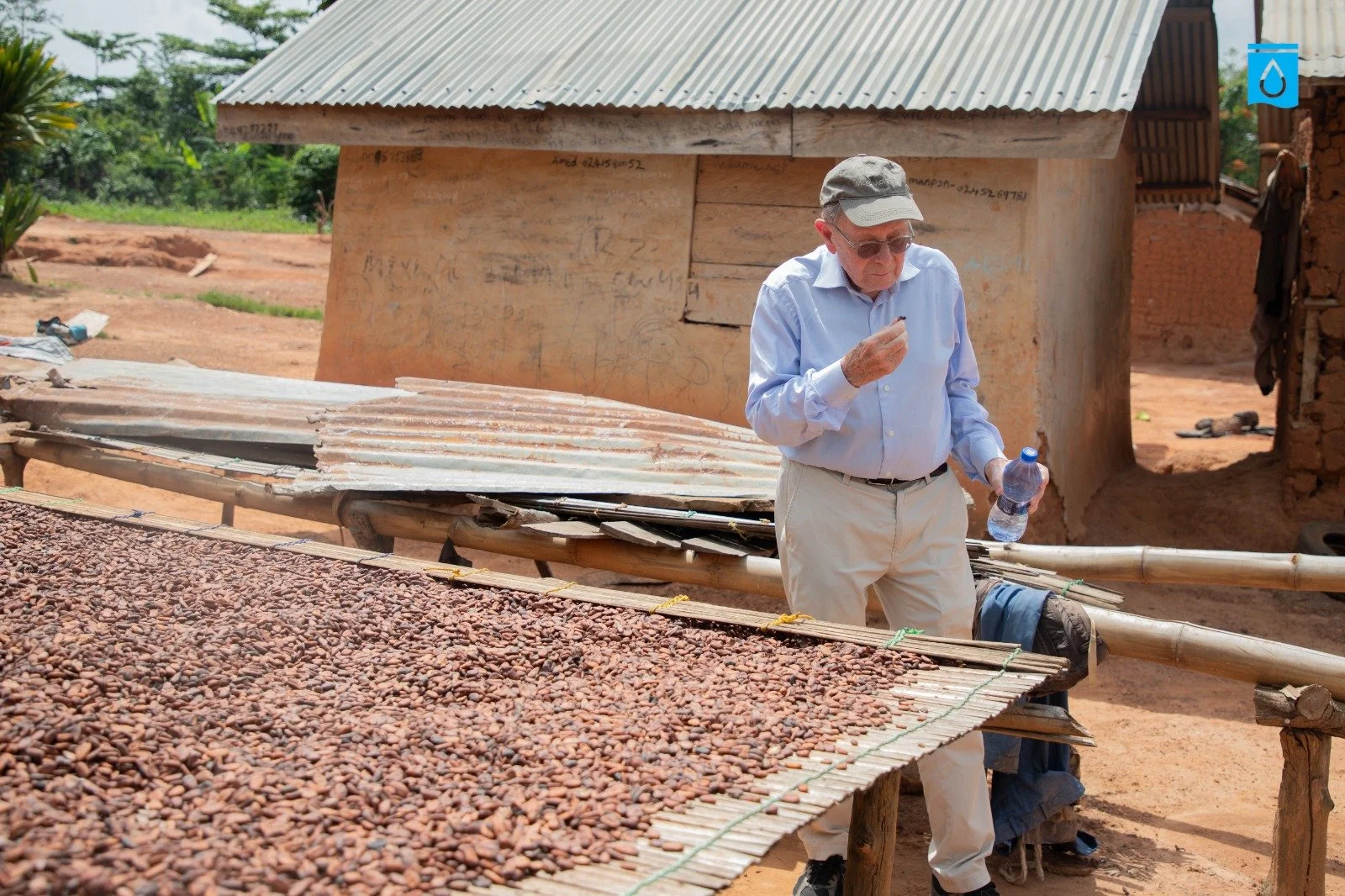
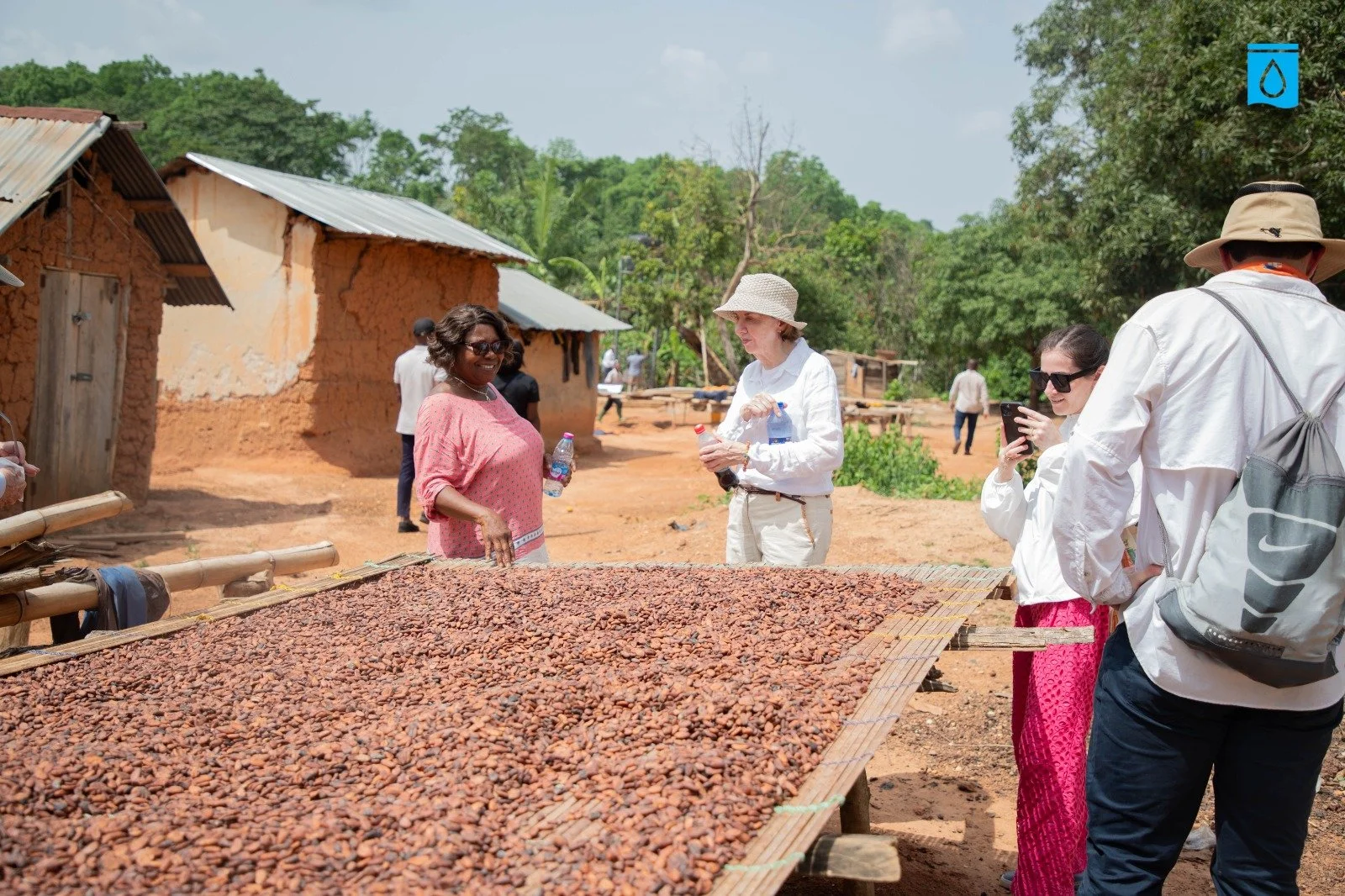
While hashtag#chocolate brings joy to millions, the villages behind it often face serious water challenges. hashtag#Children miss school because of waterborne diseases. hashtag#Women spend hours caring for sick children and the aged instead of building livelihoods. This reality is neither distant nor abstract.
𝗪𝗮𝘁𝗰𝗵 𝘁𝗵𝗶𝘀 𝘀𝗵𝗼𝗿𝘁 𝘃𝗶𝗱𝗲𝗼 𝗮𝗻𝗱 𝗱𝗶𝘀𝗰𝗼𝘃𝗲𝗿 𝘄𝗵𝗮𝘁 𝗶𝘁 𝘁𝗿𝘂𝗹𝘆 𝘁𝗮𝗸𝗲𝘀 𝘁𝗼 𝗿𝗲𝗮𝗰𝗵 𝗮 𝗰𝗼𝗰𝗼𝗮-𝗴𝗿𝗼𝘄𝗶𝗻𝗴 𝘃𝗶𝗹𝗹𝗮𝗴𝗲 𝗶𝗻 𝗚𝗵𝗮𝗻𝗮 𝗮𝗻𝗱 𝘄𝗵𝘆 𝗰𝗹𝗲𝗮𝗻 𝘄𝗮𝘁𝗲𝗿 𝗰𝗮𝗻𝗻𝗼𝘁 𝘄𝗮𝗶𝘁.
💧 𝗗𝗼𝗻𝗮𝘁𝗲 𝗧𝗼𝗱𝗮𝘆: https://lnkd.in/dpyPRrcJ
Support us in expanding our reach and bringing clean water to these villages so children, families, and entire communities can thrive. Your donation helps install filtration devices, support maintenance, and fund solar pumps.
🌍 Help us bring clean water to more remote cocoa-growing communities in hashtag#Africa.
𝗙𝗼𝗹𝗹𝗼𝘄 𝘂𝘀: https://lnkd.in/dSVud4MS
Like, share, and subscribe to see more life-changing stories from these villages.
BEHIND EVERY SWEET CHOCOLATE
Have you ever stopped to wonder where your chocolate really begins?
It starts in real cocoa-growing villages, where families work tirelessly to produce the beans that sweeten the world. Yet in many of these same communities, access to clean and safe drinking water remains a daily struggle.
𝗪𝗵𝗶𝗹𝗲 𝗰𝗵𝗼𝗰𝗼𝗹𝗮𝘁𝗲 𝗯𝗿𝗶𝗻𝗴𝘀 𝗷𝗼𝘆 𝘁𝗼 𝗺𝗶𝗹𝗹𝗶𝗼𝗻𝘀, 𝘁𝗵𝗲 𝘃𝗶𝗹𝗹𝗮𝗴𝗲𝘀 𝗯𝗲𝗵𝗶𝗻𝗱 𝗶𝘁 𝗼𝗳𝘁𝗲𝗻 𝗳𝗮𝗰𝗲 𝗽𝗿𝗲𝘃𝗲𝗻𝘁𝗮𝗯𝗹𝗲 𝘄𝗮𝘁𝗲𝗿 𝗰𝗵𝗮𝗹𝗹𝗲𝗻𝗴𝗲𝘀 𝘁𝗵𝗮𝘁 𝗮𝗳𝗳𝗲𝗰𝘁 𝗵𝗲𝗮𝗹𝘁𝗵, 𝗱𝗶𝗴𝗻𝗶𝘁𝘆, 𝗮𝗻𝗱 𝗹𝗶𝘃𝗲𝗹𝗶𝗵𝗼𝗼𝗱𝘀.
This #ValentinesDay, we’re taking you behind the scenes to reveal what it truly takes to bring clean water to a cocoa-growing community in Ghana. 𝗪𝗮𝘁𝗰𝗵 𝘁𝗵𝗶𝘀 𝘀𝗽𝗮𝗰𝗲!