Securing Reliable Water Access for Climate-Impacted Communities Across Sub-Saharan Africa
Building Climate-Resilient Water Systems That Protect Health, and Dignity
Across Sub-Saharan Africa, climate change is reshaping the way communities access water.
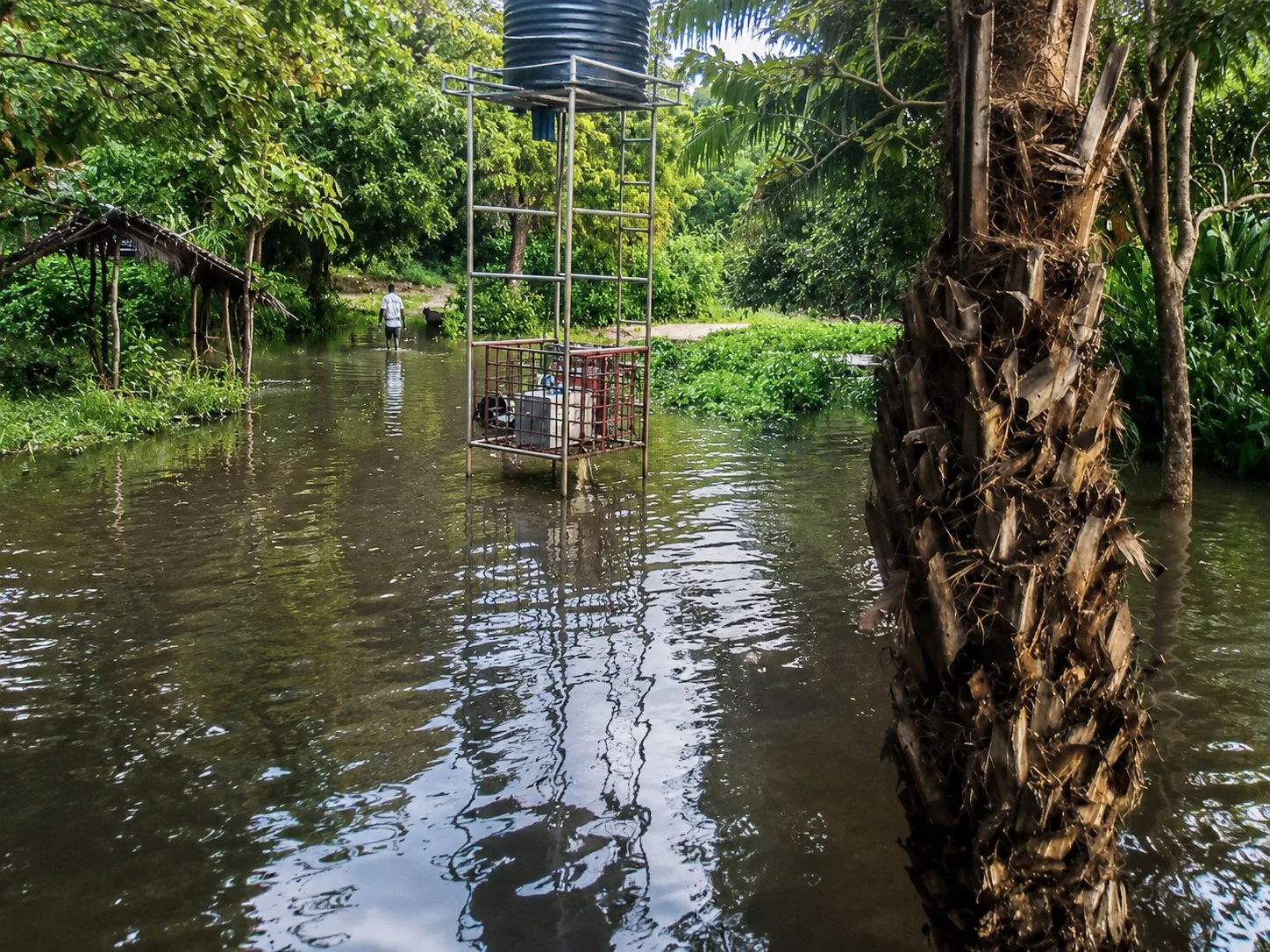
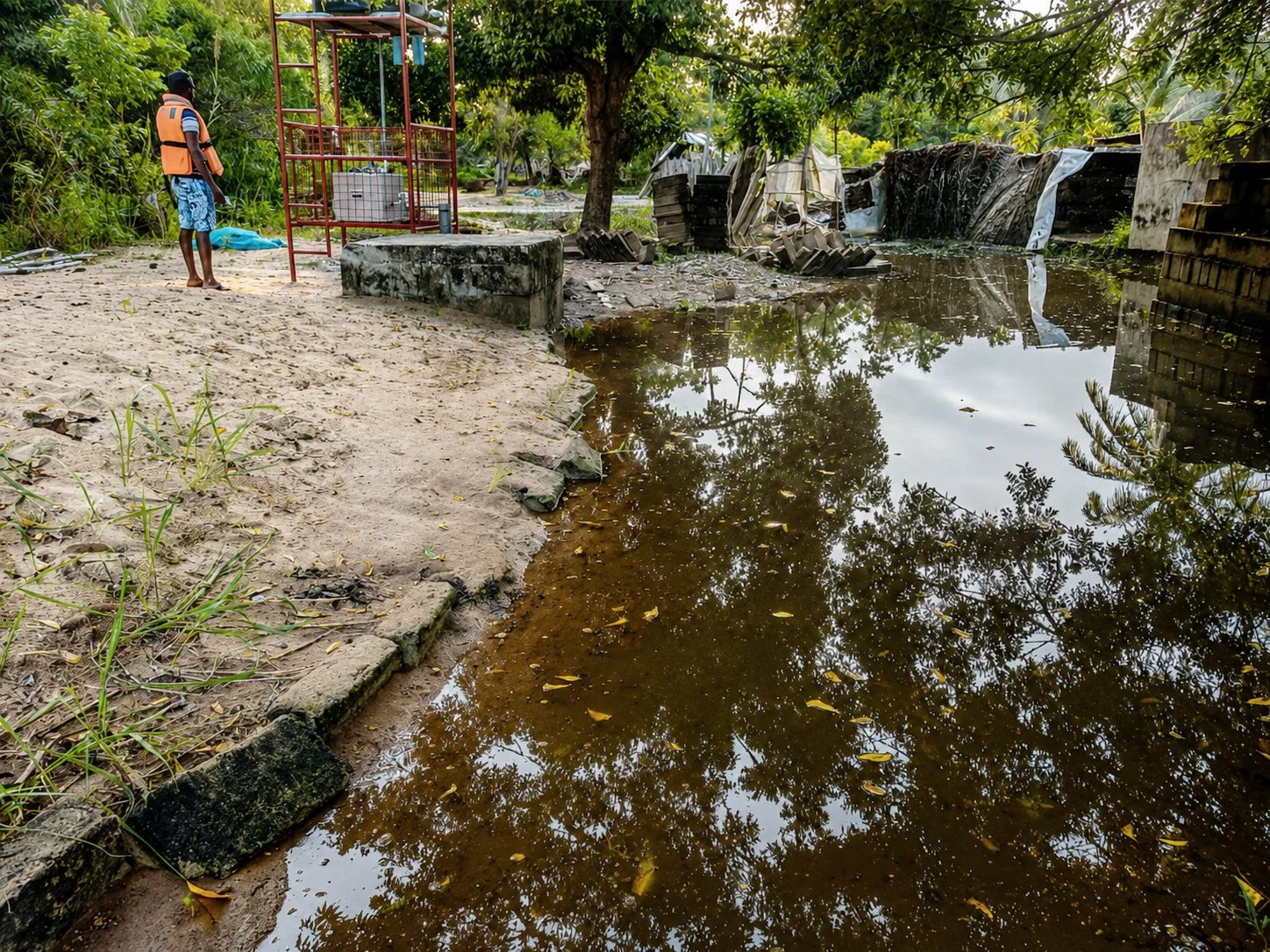
In Ghana, the rainy season has once again exposed the growing risks faced by vulnerable communities. Perennial floods are affecting many areas, including parts of the capital cities, and this year’s torrential rains have caused devastation in places that have not traditionally experienced flooding.
Beyond the destruction of homes, roads, livelihoods, and public infrastructure, floods create a serious public health threat: the contamination of rivers, streams, wells, and other water sources.
When floodwater mixes with waste, open drains, fecal matter, and polluted surface water, families become exposed to waterborne diseases such as cholera, diarrhea, typhoid, and other infections. For last-mile communities, where access to safe water is already limited, this danger becomes even more urgent.
This is why reliable access to water is essential for climate-impacted communities.
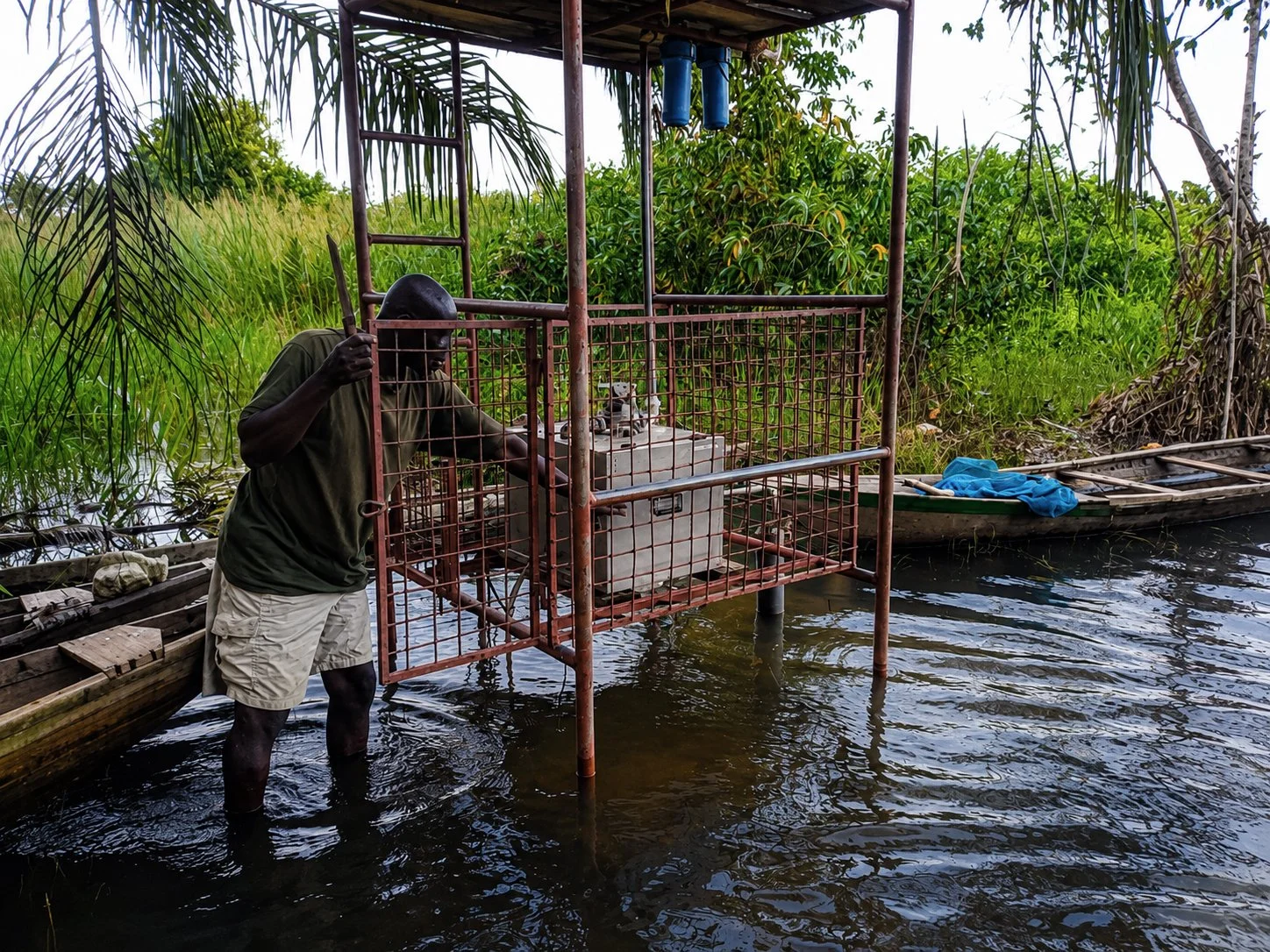
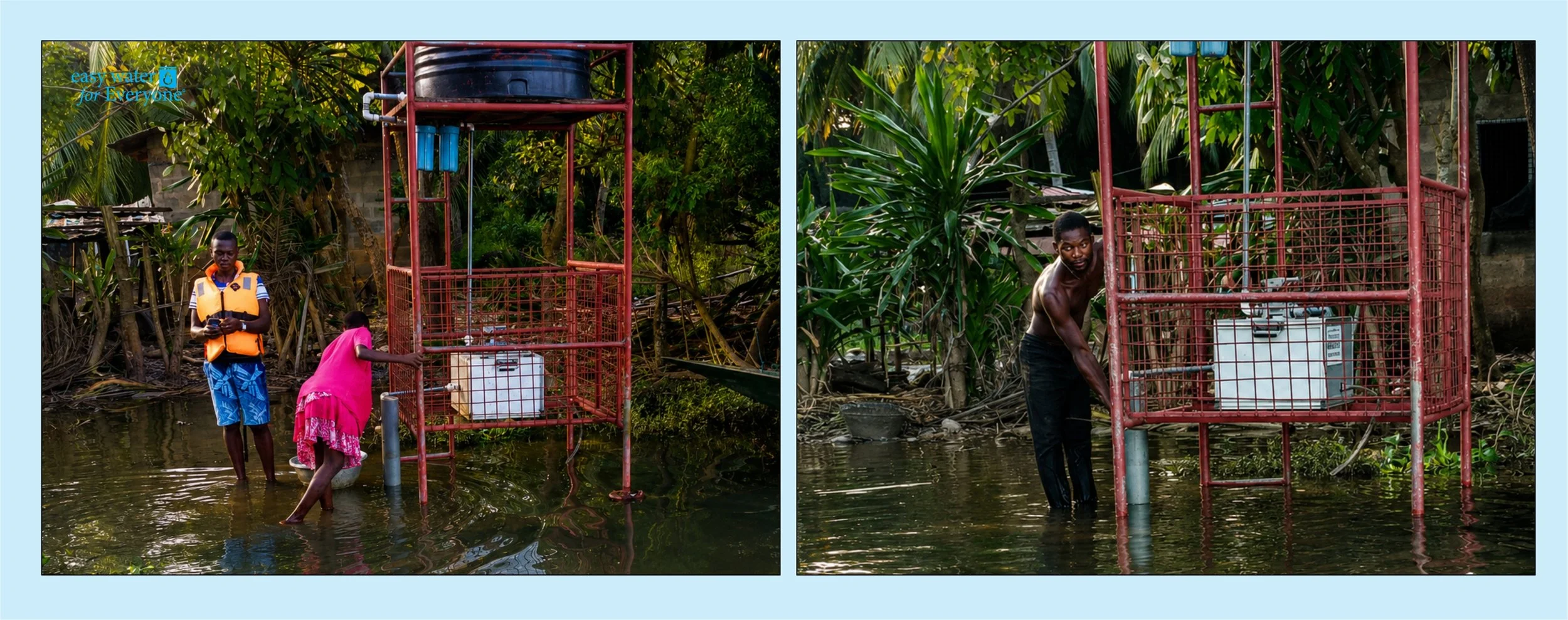
Our solar-powered Gravity Water Station (GWS) is designed to serve communities where conventional infrastructure may be difficult to install, expensive to maintain, or unreliable. It is a decentralized, practical, low-maintenance, and community-driven water purification system built for real conditions in remote communities.
Our GWS is not only about providing water. It is about securing reliable access to clean, treated water in places where climate shocks threaten health, dignity, and daily life.
During the devastating 2023 Akosombo Dam spillage, many island communities in the Ada East District of the Greater Accra Region were severely flooded. Despite the crisis, EWfE’s GWS continued to provide clean and safe drinking water to most affected communities. None of the systems experienced downtime. They remained resilient throughout the emergency, helping to safeguard the health and well-being of residents, particularly women and children.
According to the former Health Director of Ada East Hospital, Dr. Philip Narh, even though the cholera outbreak was pervasive, the Health Directorate observed that island communities with EWfE’s GWS did not report any cholera cases during the floods.
That testimony shows why climate-resilient WASH systems matter.
EWfE’s solar-powered GWS is uniquely designed for last-mile and climate-impacted communities because it is:
o Solar-powered: It can operate in remote communities without reliable electricity.
o Practical and decentralized: It brings clean water closer to communities where piped water may not reach.
o Low-maintenance: It reduces downtime and supports long-term reliability.
o Community-driven: Local people are trained and involved in daily operations.
o Climate-resilient: It helps communities continue accessing safer water during floods, seasonal disruptions, and climate shocks.
o Public health-focused: It supports disease prevention, hygiene education, water quality, and maternal and child health.
We are helping to secure reliable access to water for climate-impacted communities across Ghana, Senegal, and Uganda. We protect children, support women, and strengthen local capacity. We also promote community-led solutions and help reduce the risk of waterborne disease outbreaks.
When you donate to EWfE, you are not just giving water. You are investing in a robust, solar-powered, climate-resilient GWS that can serve remote communities, withstand climate shocks, and keep clean water flowing when it is needed most.
Donate to EWfE today. Help secure reliable access to water for climate-impacted communities across Sub-Saharan Africa.