
Safe Water, Stronger Mothers, Healthier Babies
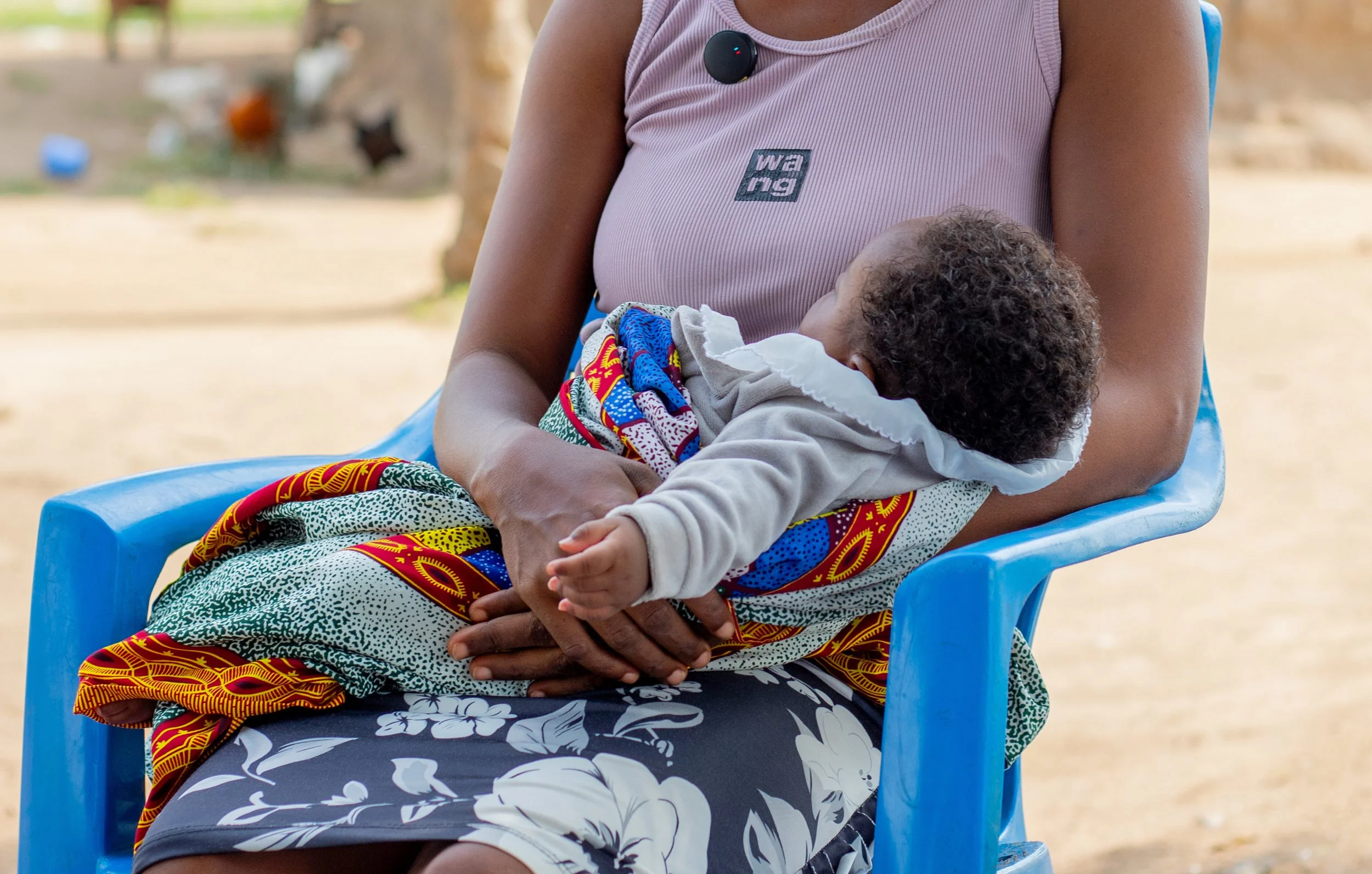
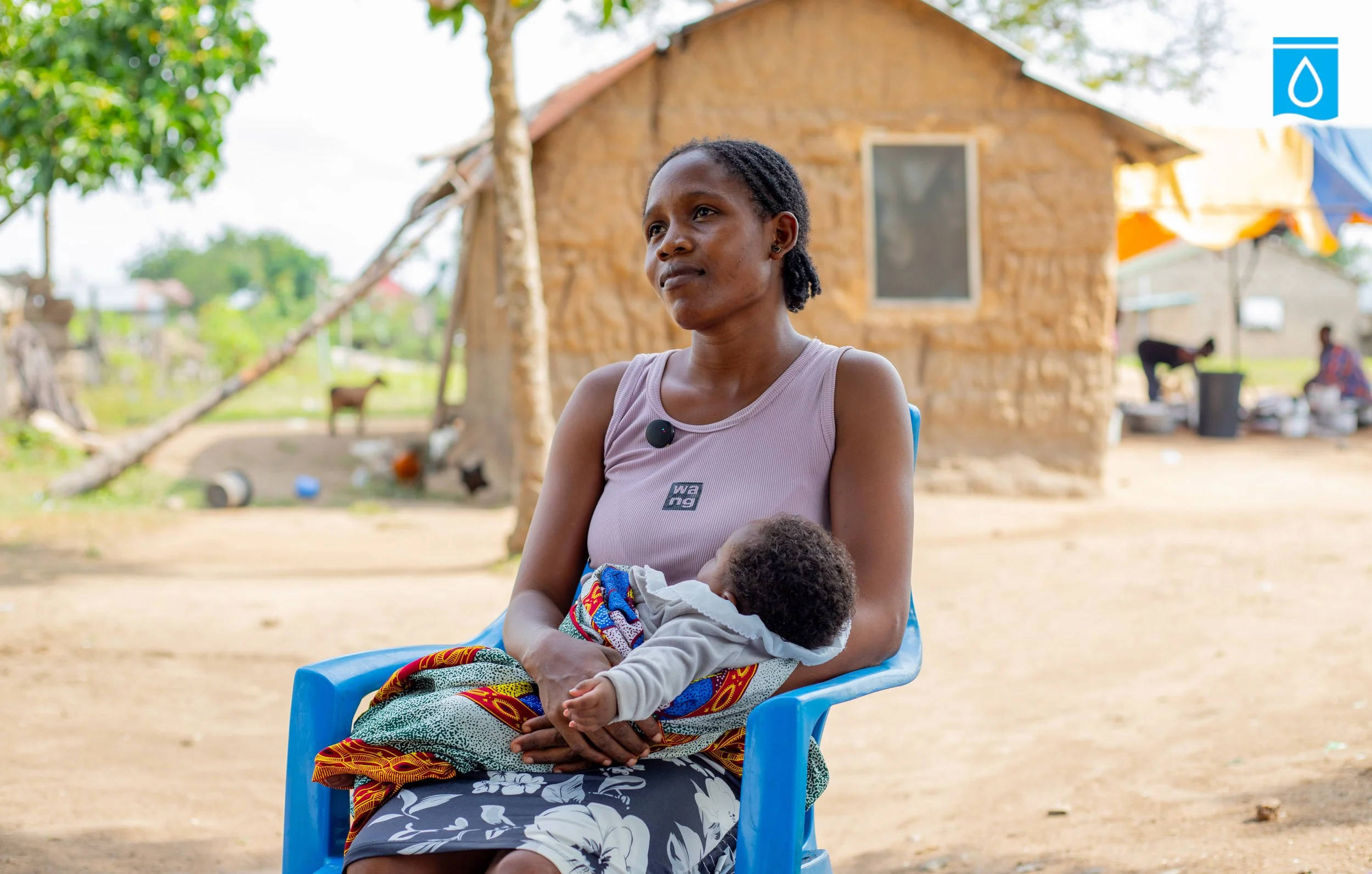
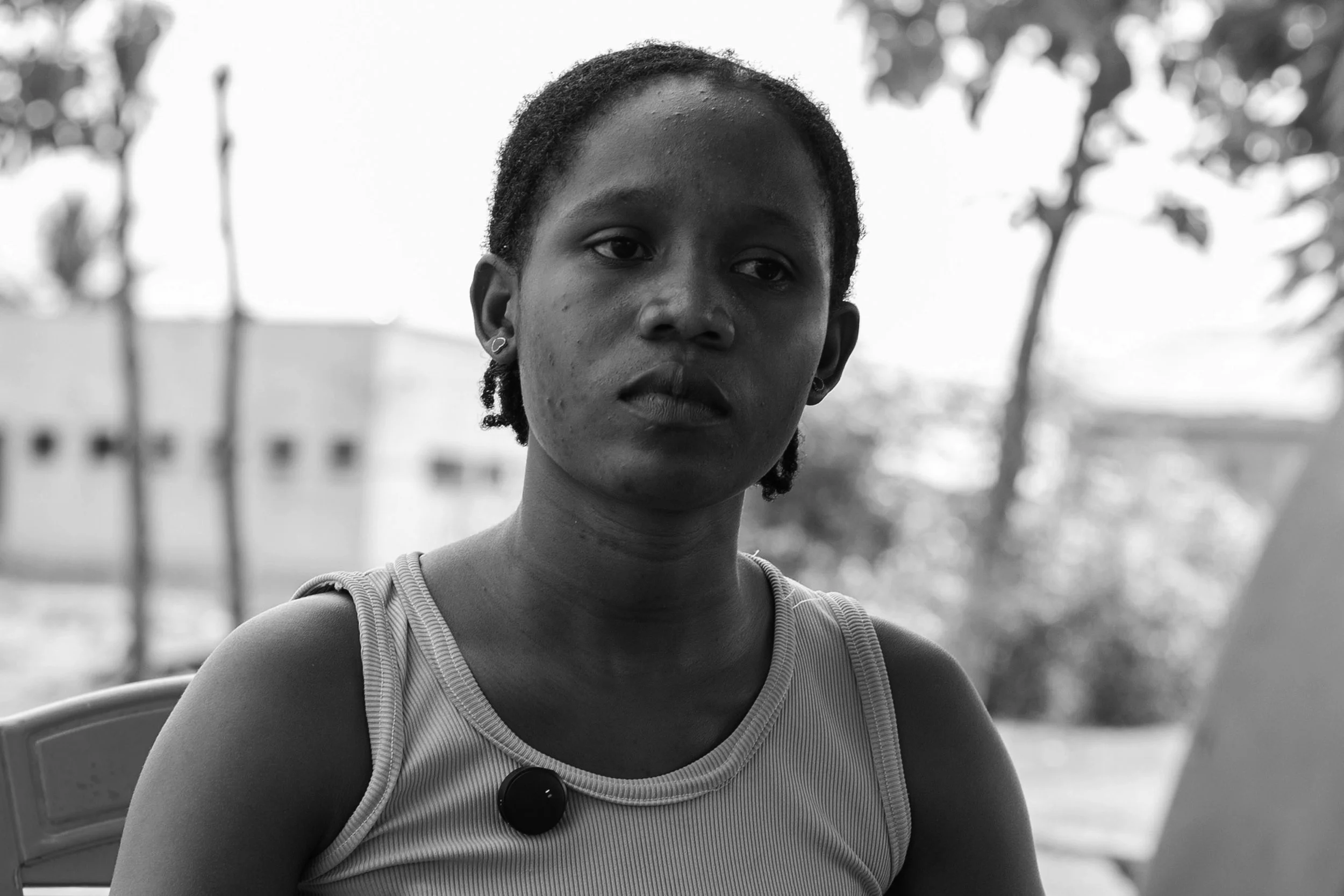
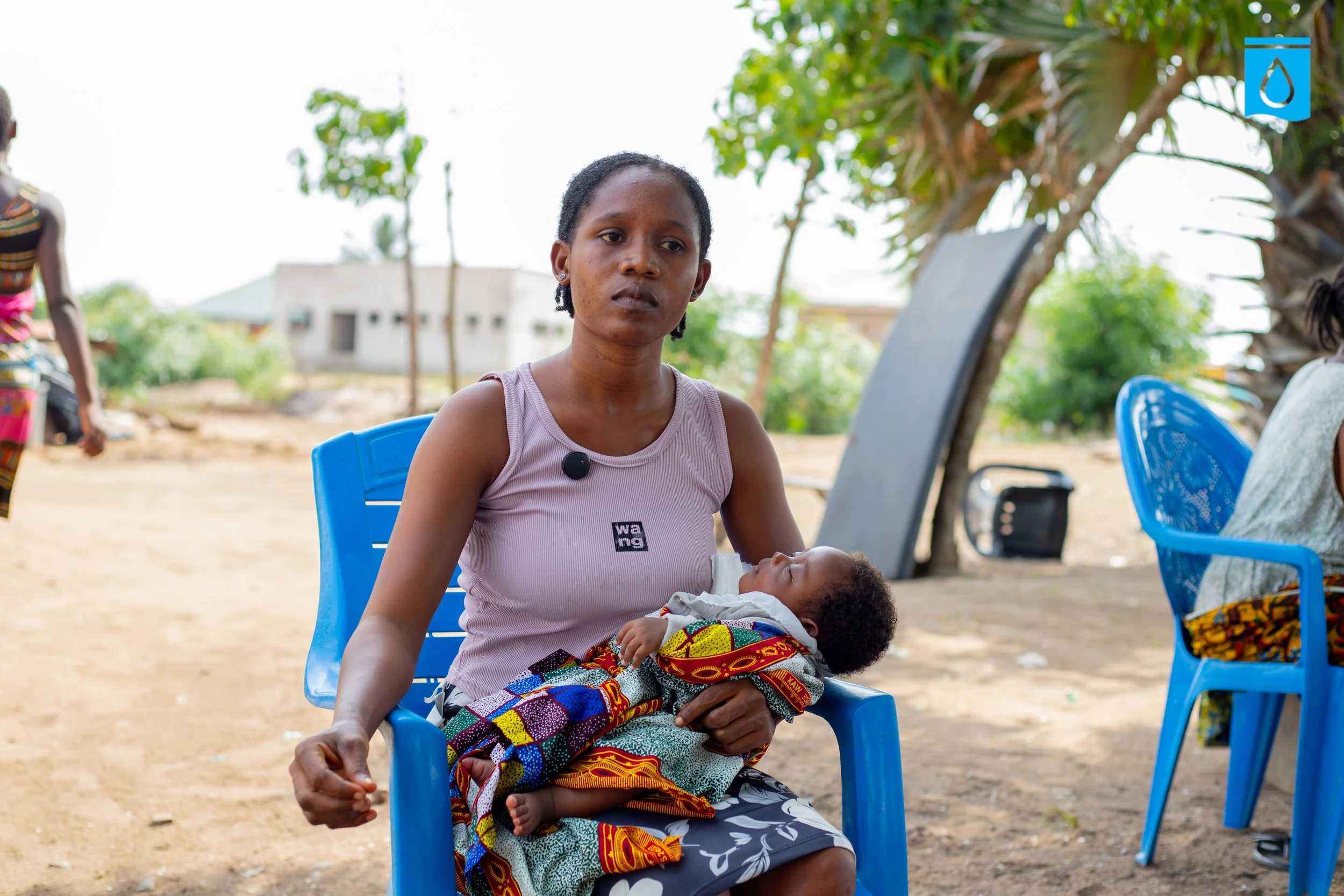
During the most difficult months of her pregnancy, 24-year-old Bernice worried about more than the health of her unborn child. She also worried about water.
Even though she lived in Tomefa, a peri-urban community in Ghana’s Greater Accra Region, she never had access to safe drinking water. Water was essential for keeping her hydrated, preparing meals, maintaining personal hygiene, and protecting herself from illness. Yet during moments of weakness, discomfort, and uncertainty, finding water she could trust added another burden to an already challenging pregnancy.
“My pregnancy was not easy,” Bernice recalls. “There were difficult moments when I felt weak and needed water regularly, but I was always concerned about whether the water available to us was safe for my unborn baby and me.”
For Bernice, every cup of water came with questions. Could it make her sick? Could contaminated water affect her pregnancy? Would she have enough strength to care for herself during moments of crisis?
“As a pregnant woman, I knew that whatever affected me could also affect my baby. I needed clean water to drink, bathe, and maintain good hygiene. Not having reliable access to safe water made an already difficult period even more stressful.”
The arrival of Easy Water for Everyone’s Gravity Water Station (GWS) in February 2025 changed her story. By providing safe water closer to her home, the GWS gave Bernice reassurance when she needed it most. During the toughest stages of her pregnancy, she could access water with greater confidence and focus on protecting her health and preparing for the arrival of her baby.
For Bernice, this was more than a water intervention. It was an investment in maternal and child health, women’s dignity, and household resilience. Reliable access to safe water reduced one of the daily pressures she faced and helped create a safer environment for pregnancy, childbirth, and early motherhood.
Today, Bernice is a nursing mother to two-month-old Kwaku. Safe water continues to play a critical role in her daily life as she breastfeeds, recovers from childbirth, prepares food, washes her hands, cleans feeding and household items, and cares for her growing baby. She looks at her son, smiles, and breathes a quiet sigh of relief. “Having safe water close to us has given me peace of mind as a mother.”
Bernice’s story is a powerful reminder that access to safe water is not only about satisfying thirst. It supports women through pregnancy, protects nursing mothers, strengthens breastfeeding, improves hygiene, and gives babies a healthier start in life.
Across last-mile communities in Ghana, Senegal, and Uganda, many women still experience pregnancy, childbirth, and motherhood without reliable access to clean water. Supporting access to safe water is an investment in maternal health, child survival, women’s empowerment, and sustainable development.
Donate, partner with us, or share Bernice and Kwaku’s story today.